

In the high-stakes arena of 2025 blockchain stacks, modular DA layers have redefined rollup scalability, decoupling data posting from execution to slash costs and amplify throughput. As rollups proliferate across ecosystems, these specialized layers like Celestia and Avail emerge as indispensable, enabling developers to sidestep Ethereum's data bottlenecks while preserving security. This strategic separation not only curbs escalating DA fees but positions modular architectures as the backbone for sustainable, high-volume decentralized applications.
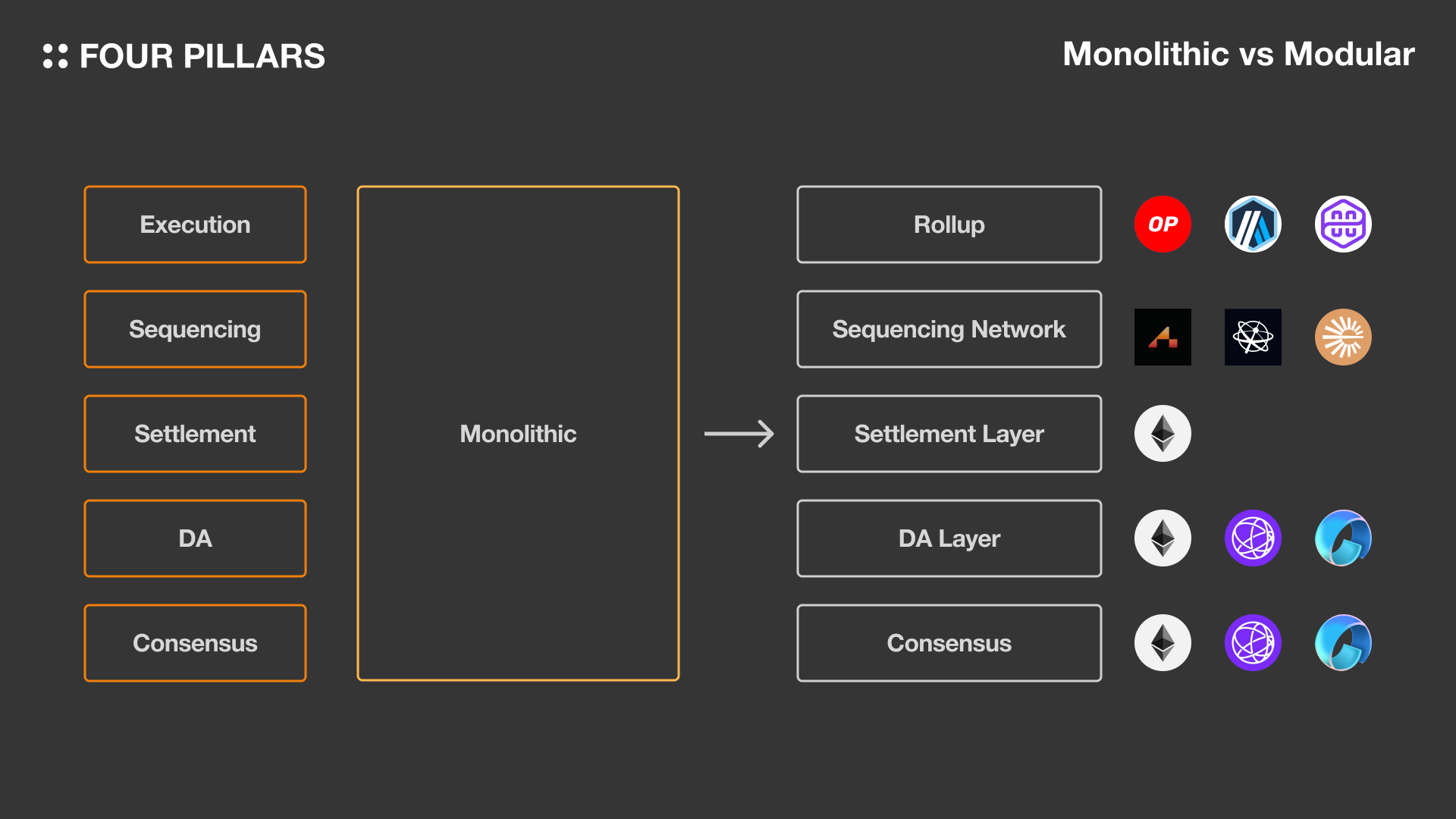
Strategic investors recognize this shift: traditional monolithic chains strain under data demands, but DA layers for rollups offer a calibrated response. Celestia, the pioneer, has solidified its lead by providing sovereign data availability sampling, allowing rollups to scale independently without compromising verifiability. Real-world deployments underscore this potency.
Celestia's Modular Foundation Drives Rollup Innovation
Celestia's ascent in 2025 stems from its seamless integration into frameworks like Dymension's RollApp Network. By anchoring transaction data on Celestia, RollApps bypass mainnet congestion, fostering fluid cross-chain interoperability and autonomous growth. This setup yields measurable gains: lower latency in settlements and fees that remain competitive even as transaction volumes spike.
Camp Rollup exemplifies the payoff, harnessing Celestia's layer for expedited finality and economical posting. High-throughput dApps, from DeFi protocols to gaming platforms, thrive here, processing loads that would cripple integrated systems. Celestia's Lotus upgrade, unveiled in May, weaves in Hyperlane for effortless bridging, signaling a maturing ecosystem primed for enterprise adoption. For strategists eyeing long-term positions, Celestia's trajectory mirrors early cloud computing pivots - foundational infrastructure yielding compounding returns.
In modular stacks, Celestia isn't just a DA provider; it's the scalability enabler that turns rollups into viable Layer 2 powerhouses.
Yet Celestia's edge lies in its data availability sampling protocol, which lightens node burdens while upholding robust guarantees. This efficiency directly translates to rollup scalability DA metrics, with projects reporting up to 90% cost reductions in data posting compared to Ethereum calldata.
Celestia vs EigenDA vs Avail: Cost per MB (Gwei), Latency (seconds), Security Model (Decentralization Score 1-10)
| DA Layer | Cost per MB (Gwei) | Latency (seconds) | Security Model (Decentralization Score 1-10) |
|---|---|---|---|
| Celestia | 2.5 | 6 | 9.5 |
| EigenDA | 1.8 | 4 | 8.5 |
| Avail | 2.2 | 5 | 9.0 |
Avail and EigenDA Challenge the Landscape
Avail counters with a focus on flexibility, catering to Validiums and Sovereign Rollups through trust-minimized ordering and data roots. Its architecture prioritizes decentralization, appealing to builders wary of centralization risks in high-growth phases. In comparisons, Avail edges out on customization, letting rollups tailor DA to execution demands - a nuance often overlooked in raw throughput debates.
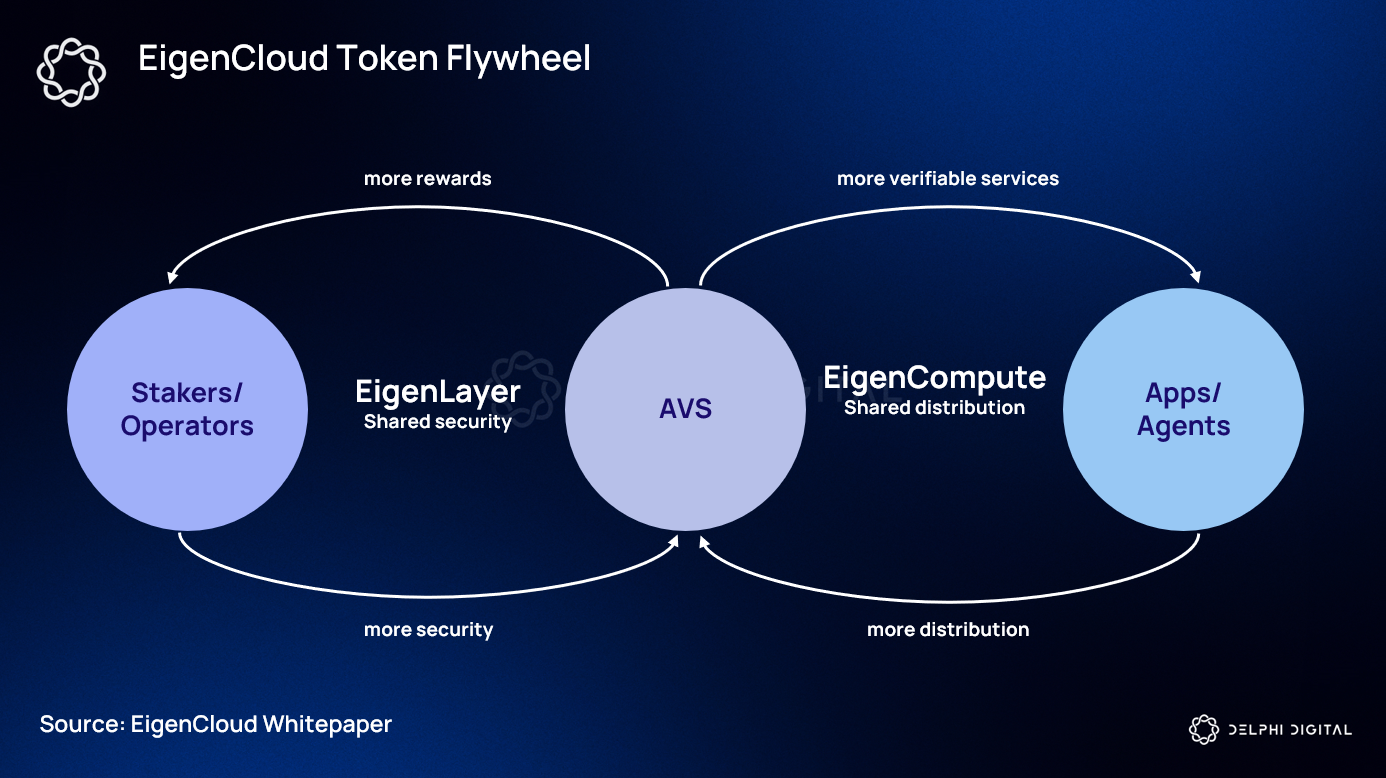
EigenDA, leveraging Ethereum restaking, brings battle-tested security to the fray. Tied to EigenLayer's economic model, it offers cost predictability amid volatile markets, making it a pragmatic choice for risk-averse teams. Recent analyses pit these against NearDA, revealing EigenDA's speed advantages in sub-second confirmations, though Celestia holds the throughput crown. A Celestia EigenDA comparison highlights trade-offs: Celestia's sovereignty versus EigenDA's Ethereum alignment.
Fragmentation concerns linger as DA options multiply, yet this competition fosters innovation. Rollups now select blockchain data availability solutions based on precise needs - Celestia for sovereignty, Avail for modularity, EigenDA for security inheritance. The result? A vibrant marketplace driving down costs across the board.
RaaS Frameworks Amplify Modular DA Impact
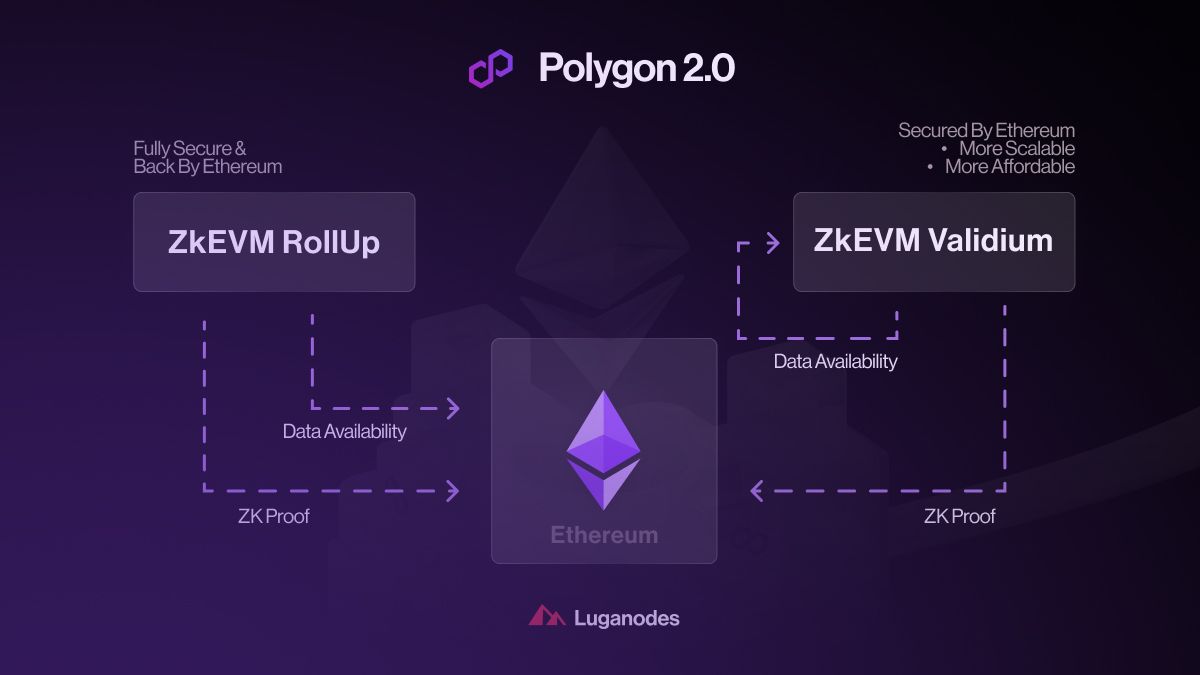
Rollup-as-a-Service platforms like Polygon's CDK have accelerated this trend, embedding choices among Celestia, Avail, and others into streamlined deployment kits. Developers spin up custom rollups in days, not months, selecting DA layers that align with throughput targets and fee tolerances. This democratization extends scalability to mid-tier projects, broadening modular adoption.
Ethereum's own roadmap complements these efforts. Danksharding's data blobs promise over 100,000 TPS, while Verkle Trees lighten node storage, bolstering decentralization at scale. Together, they form a symbiotic ecosystem where external modular DA layers 2025 bridge gaps until full sharding matures. For investors, this convergence signals a multi-year bull case: rollups as the efficiency engine of Web3.
Strategic deployment hinges on matching DA to use cases - high-frequency trading favors EigenDA's latency, while long-tail storage suits Celestia's permanence. As 2025 unfolds, these layers aren't mere utilities; they're the fulcrum leveraging rollup potential into mainstream viability. Explore deeper modular integrations.
Developers must weigh these dynamics carefully, as the optimal DA layers for rollups hinge on execution environment and risk profile. Sovereign rollups thrive with Celestia's independence, while optimistic setups lean toward EigenDA's restaked safeguards. This nuanced selection process underscores a maturing market, where no single layer dominates but collective competition sharpens efficiencies across the stack.
EigenDA vs Celestia vs Avail vs NearDA: Key Metrics for 2025 Rollup Scaling
| DA Layer | Cost (Gwei/MB) ⛽ | Finality (secs) ⏱️ | TPS Capacity 🚀 | Decentralization Score 🛡️ |
|---|---|---|---|---|
| EigenDA | 2.5 | 12 | 1.2M | 9.5/10 |
| Celestia | 4.0 | 6 | 2.5M | 9.8/10 |
| Avail | 3.2 | 10 | 1.8M | 9.3/10 |
| NearDA | 1.9 | 1.5 | 4.0M | 8.7/10 |
Strategic DA Selection Factors
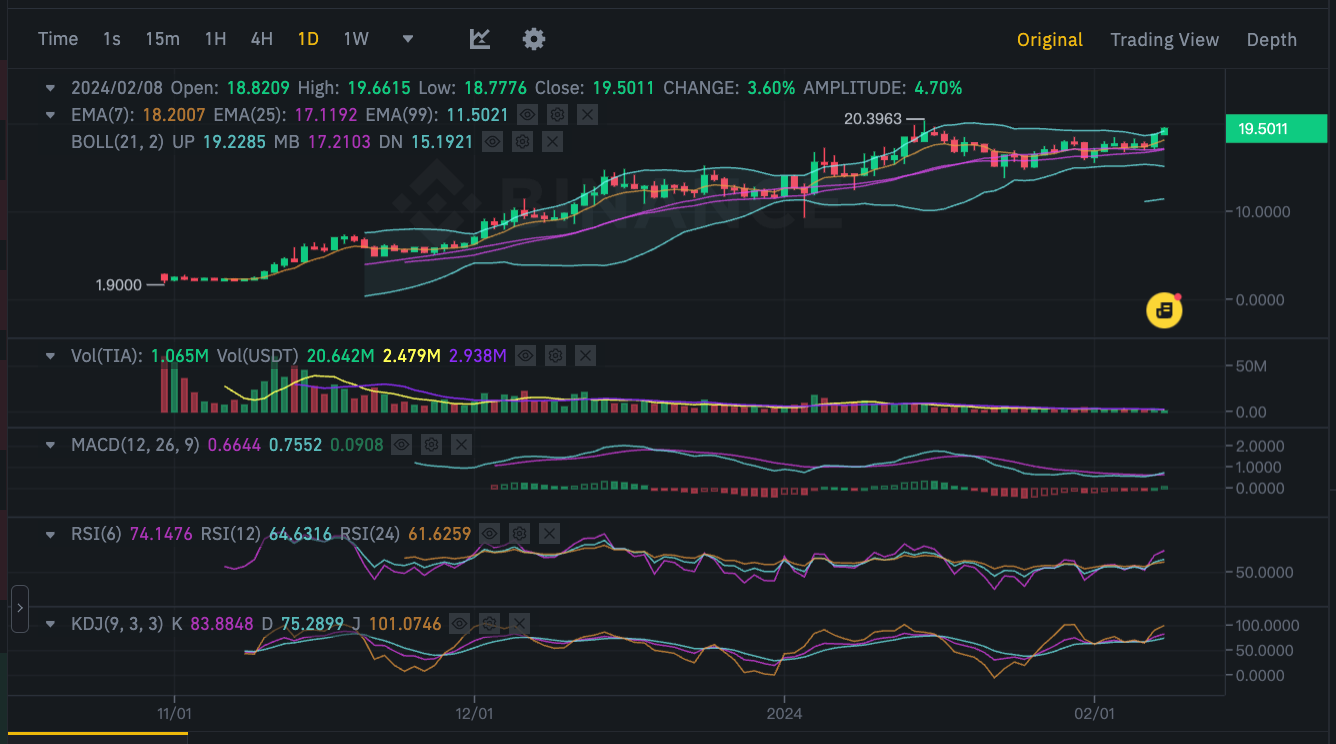
- 1. Cost Predictability Under Load: Favor layers like Celestia and EigenDA, which deliver stable fees during peak rollup activity, outperforming Ethereum blobs per 2025 benchmarks.
- 2. RaaS Integration (Polygon CDK): Prioritize compatibility with Polygon CDK, which natively supports Celestia for streamlined rollup deployment and customization.
- 3. Hyperlane Cross-Chain Bridging: Select DA layers enhanced by Hyperlane, as in Celestia's Lotus v4 upgrade, for seamless rollup interoperability.

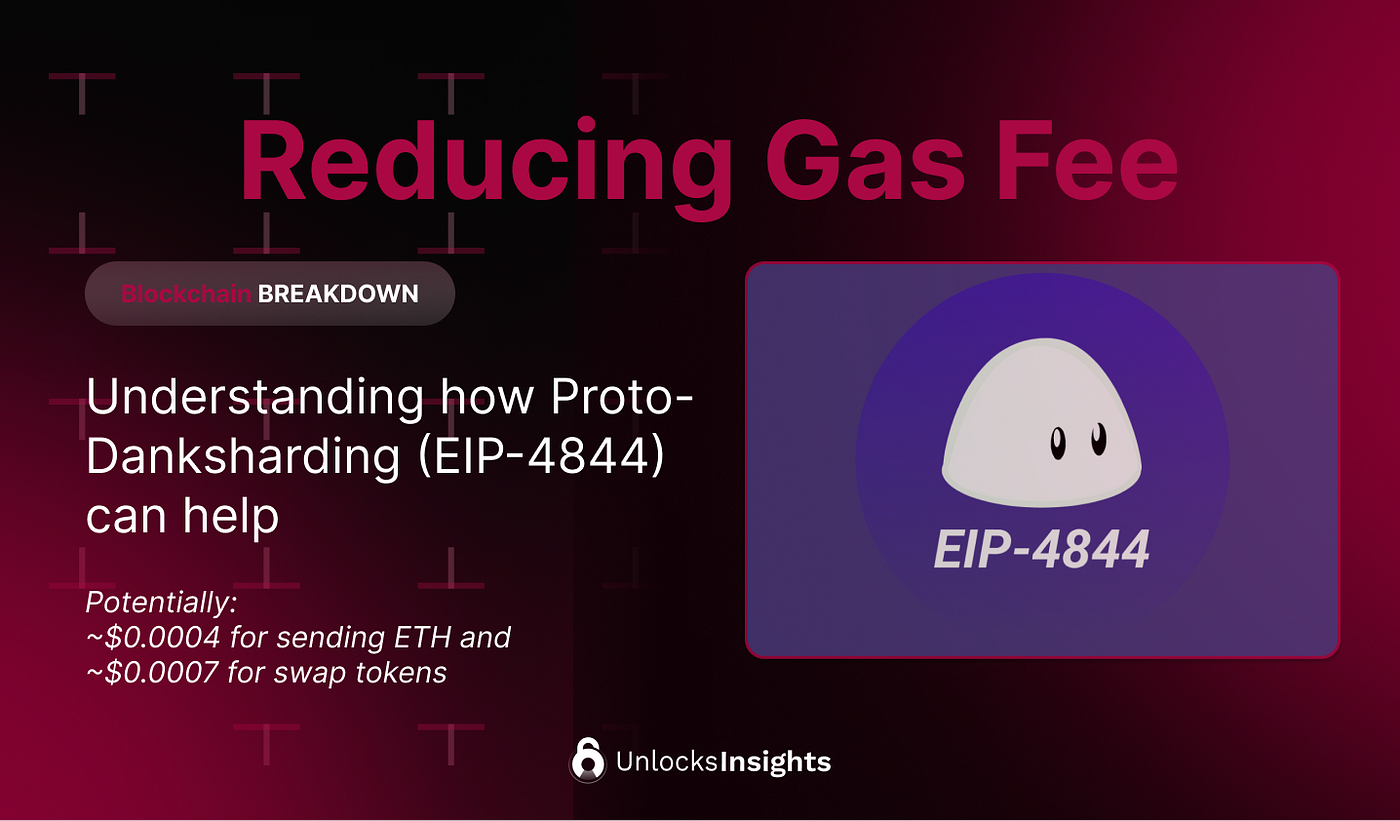
- 4. Ethereum Roadmap Alignment (Danksharding): Ensure synergy with Danksharding's data blobs, enabling over 100,000 TPS while preserving decentralization via Verkle Trees.
- 5. Security Model (Sovereign vs Restaked): Balance sovereign security (Celestia, Avail) against restaked efficiency (EigenDA), matching your rollup's threat model.
Such trade-offs reveal themselves in head-to-head benchmarks. EigenDA excels in latency-critical scenarios, clocking sub-second confirmations that suit DeFi flash loans, yet its Ethereum tether introduces dependency risks during network surges. Avail, by contrast, shines in hybrid models, blending data availability with lightweight ordering to support Validiums pushing beyond 10,000 TPS without full proof overhead. NearDA enters as a contender for cost-sensitive ecosystems, though it trails in proven rollup deployments. For those charting Celestia EigenDA comparison, Celestia's data sampling remains the gold standard for unencumbered scaling, evidenced by Dymension's RollApps handling 5x Ethereum's volume at fraction-of-a-cent fees.
Navigating Challenges in Modular DA Adoption
Fragmentation, while innovative, invites interoperability hurdles. Rollups siloed on disparate DA layers risk liquidity fragmentation, prompting solutions like Hyperlane's permissionless bridging - now live in Celestia's Lotus era. Security audits further validate these stacks; Celestia boasts zero exploits since mainnet, a track record EigenDA matches via EigenLayer's slashing economics. Yet strategists caution against over-reliance: as rollup counts swell past 500 in 2025, unified standards for data roots will prove essential. Avail's KZG commitments offer a path forward, minimizing trust assumptions in multi-DA environments.
Regulatory headwinds loom too, with data permanence under scrutiny in jurisdictions like the EU. Modular designs mitigate this by localizing execution while globalizing availability, a bifurcated approach that enhances compliance without sacrificing speed. Investors attuned to these vectors position accordingly, favoring protocols with audited bridges and diversified DA exposure.
Looking ahead, Ethereum's Danksharding rollout in Q4 2025 will recalibrate the field. Blob transactions, capped at 1MB per block initially, pave the way for proto-Danksharding gains, yet external layers like Celestia will shoulder overflow until full sharding hits 2026. Verkle Trees, meanwhile, compress proofs by 90%, easing light client verification and amplifying rollup portability. Polygon's CDK evolves in tandem, now bundling DA presets for one-click launches - Celestia for max sovereignty, EigenDA for Ethereum fidelity.
Real-world traction cements this momentum. Eclipse Labs' modular rollups, powered by Celestia, process NFT mints at 1/100th Ethereum costs, drawing blue-chip partnerships. Similarly, Mitosis bridges leverage cross-chain DA checks, ensuring seamless asset flows. These cases illustrate a pivotal truth: rollup scalability DA no longer bottlenecks innovation but accelerates it, transforming Web3 from experimental to operational.
For asset managers integrating blockchain, the playbook is clear. Allocate to DA-native tokens with vesting cliffs aligned to upgrades like Lotus v4. Pair with RaaS exposure for deployment moats. Above all, prioritize layers exhibiting network effects - Celestia's 200 and rollup integrations signal dominance, but Avail's 40% mindshare growth warrants monitoring. In this arena, foresight trumps hype; modular DA layers stand as the quiet force propelling blockchain stacks toward trillion-dollar throughput. Dive into fee reduction mechanics. Assess scalability benchmarks.




No comments yet. Be the first to share your thoughts!