

In the evolving landscape of Ethereum rollups, data availability layers like Celestia and Avail stand out as critical enablers for scalability in 2026. With Celestia's TIA trading at $0.4582, down 0.0186% over the last 24 hours from a high of $0.4719 and low of $0.4542, developers face a pivotal choice for Celestia DA layer Ethereum integrations versus Avail data availability rollups. These modular DA solutions 2026 address the data posting bottleneck that plagues optimistic and zk-rollups, offering cheaper alternatives to Ethereum blobs while ensuring light clients can verify data without downloading full blocks.
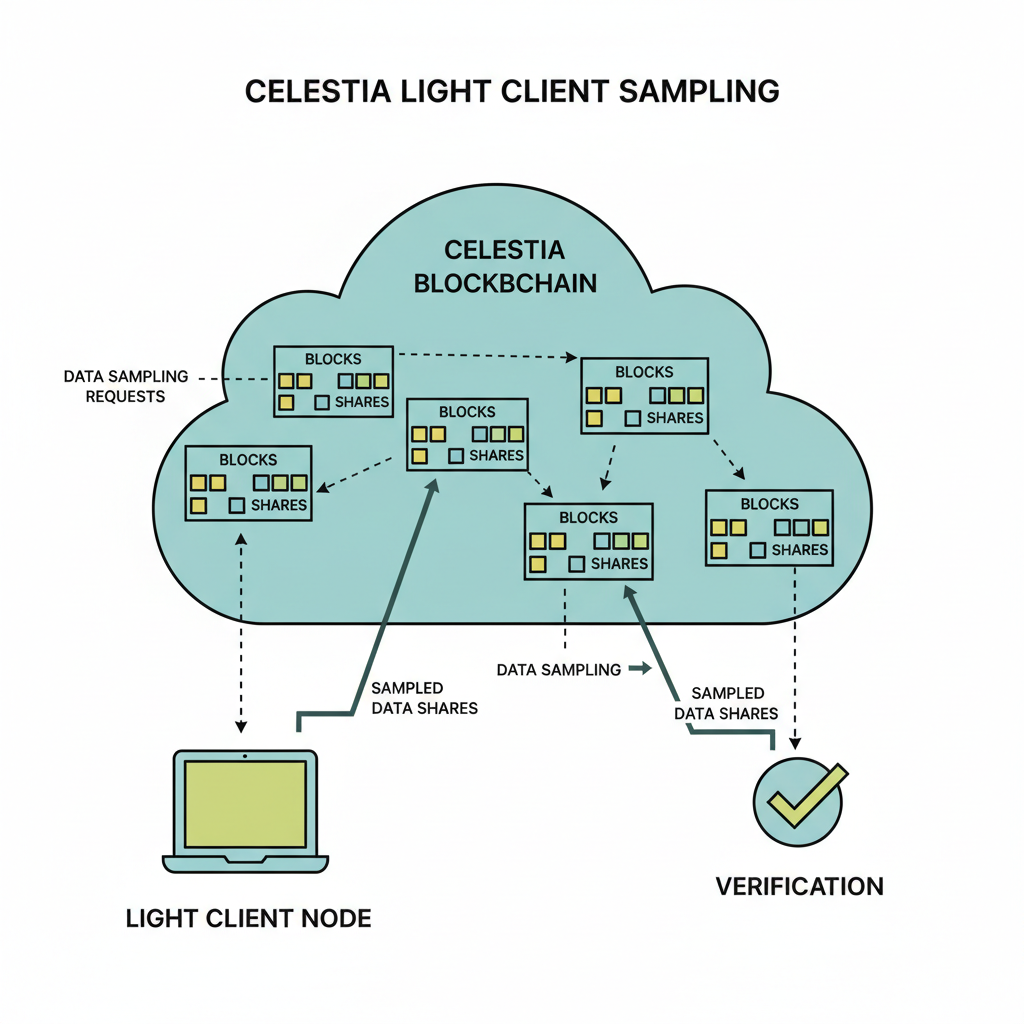
Celestia pioneered the separation of data availability from execution and consensus, launching its mainnet beta in late 2023. By January 2026, it has processed millions of transactions, attracting over 900,000 since inception according to Blockworks reports. Its use of Data Availability Sampling (DAS) and Namespaced Merkle Trees (NMT) allows rollups to post data efficiently, with block times around 6 seconds and expansions to 8 MB blocks planned mid-year. This makes Celestia ideal for sovereign rollups seeking quantum-resistant hash-based proofs, though it demands custom tooling for non-EVM chains.
Celestia's Edge in Cost and Adoption for Rollups
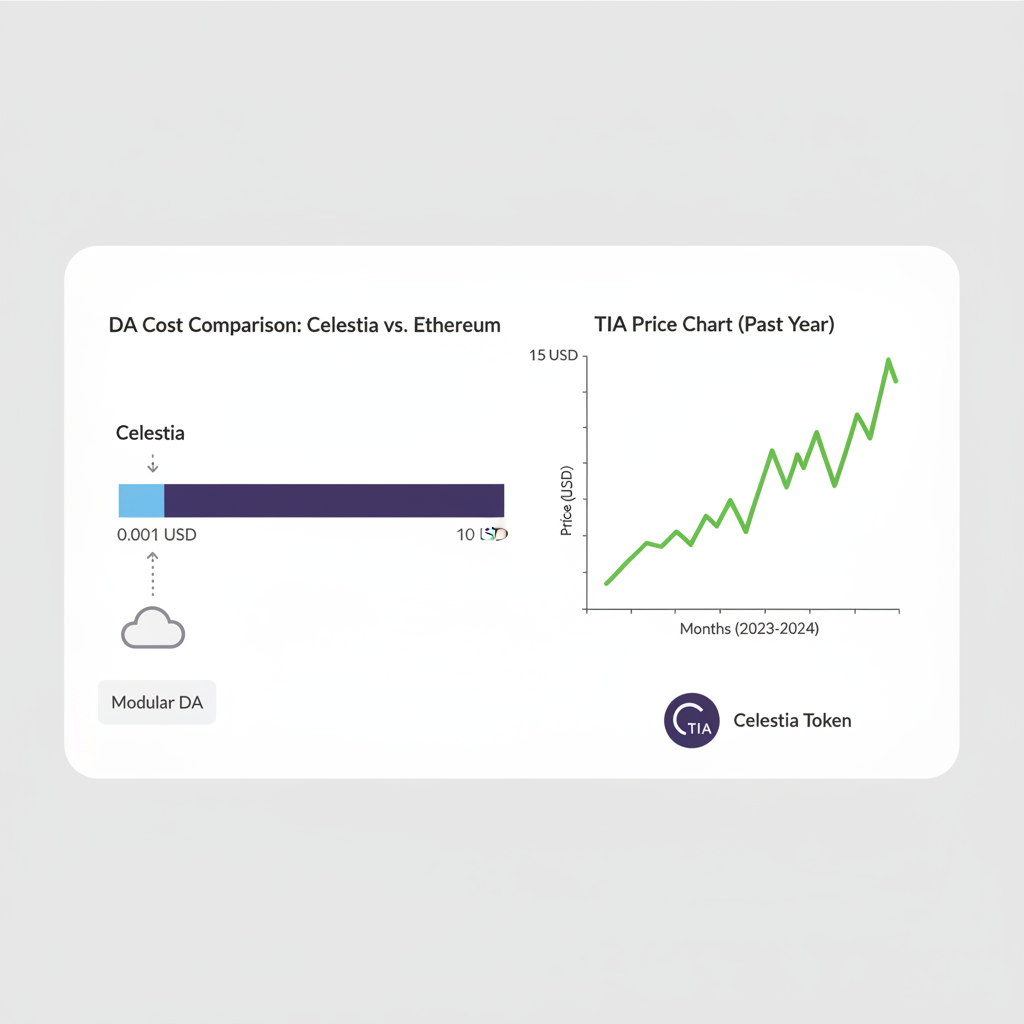
Celestia's competitive advantage lies in its cost-effectiveness, often significantly cheaper than Ethereum L2 data posting, as highlighted in BlockEden analyses. Rollups using the OP Stack have integrated seamlessly, benefiting from Ethereum fallbacks that ensure data persistence during outages. For Ethereum developers, Celestia's focus on consensus and DA alone fosters flexibility; execution can run on custom environments, aligning with the modularity thesis from Galaxy Research. Yet, its Ethereum-centric integrations shine brightest, with over 278,000 unique transactions underscoring real-world traction.
Avail's Flexible Architecture Across Ecosystems
Avail, emerging from Polygon's ecosystem in July 2024, positions itself as a universal DA layer, chain-agnostic and compatible with EVM, Cosmos, and appchains. Its 'Clash of Nodes' testnet surpassed 1.2 million transactions by late 2025, signaling mainnet readiness in early 2026. Leveraging KZG polynomial commitments and erasure coding, Avail supports lightweight clients via DAS at launch, much like Celestia. However, its 20-second block times and 4 MB caps prioritize broad interoperability over raw speed, making it a strong pick for diverse Ethereum L2 DA comparison scenarios.
Technorely notes Avail's departure from Ethereum-only focus, unlike Celestia or EigenDA, enabling seamless blockchain data availability integration across stacks. While KZG proofs offer efficient verification, they lack Celestia's quantum resistance, a trade-off for broader adoption potential.
Performance and Security Head-to-Head
When dissecting Ethereum L2 DA comparison, Celestia's faster 6-second blocks and larger forthcoming capacities edge out Avail's steadier 20-second rhythm. Security-wise, Celestia's hash proofs provide long-term resilience against quantum threats, vital for 2026 horizons, whereas Avail's KZG setup excels in succinctness but warrants post-quantum upgrades. Integration effort tilts toward Avail for EVM rollups due to its agnostic design, reducing custom work compared to Celestia's modular specificity.
Medium analyses from Modexa reveal DA cost variances, with Celestia often undercutting Ethereum blobs meaningfully. For rollup teams, this translates to lower fees during high throughput, crucial as user volumes surge. Celestia's established ecosystem, per Celestia Forum threads, supports scalable light nodes, mirroring Avail's launch features yet backed by longer operational history.
Celestia (TIA) Price Prediction 2027-2032
Forecast based on modular DA growth, Ethereum rollup adoption, and competitive landscape with Avail (Current 2026 price: $0.46)
| Year | Minimum Price | Average Price | Maximum Price | YoY % Change (Avg from Prior Year) |
|---|---|---|---|---|
| 2027 | $0.35 | $0.92 | $2.50 | +100% |
| 2028 | $1.20 | $4.50 | $12.00 | +389% |
| 2029 | $2.50 | $6.00 | $10.00 | +33% |
| 2030 | $4.00 | $9.50 | $18.00 | +58% |
| 2031 | $7.00 | $16.00 | $32.00 | +68% |
| 2032 | $12.00 | $25.00 | $50.00 | +56% |
Price Prediction Summary
Celestia (TIA) is expected to experience substantial growth through 2032, driven by modular DA layer dominance and Ethereum rollup integrations. Average prices project a rise from $0.92 in 2027 to $25 in 2032, with bull market peaks in 2028 and 2031-2032 potentially pushing maxima to $50. Bearish scenarios account for competition from Avail and market corrections.
Key Factors Affecting Celestia Price
- Rapid adoption of Ethereum rollups offloading DA to cost-effective layers like Celestia
- Technological edges: DAS, NMT, quantum-resistant proofs, and block size expansions to 8MB
- Competition from Avail's chain-agnostic design and Ethereum blobs
- Crypto market cycles with bull runs post-Bitcoin halvings in 2028 and 2032
- Regulatory clarity on modular blockchains and L2 scaling
- Key integrations with OP Stack, Cosmos, and sovereign rollups
- Overall market cap growth and TIA supply dynamics (circulating ~600M of 1B total)
Disclaimer: Cryptocurrency price predictions are speculative and based on current market analysis. Actual prices may vary significantly due to market volatility, regulatory changes, and other factors. Always do your own research before making investment decisions.
Choosing between these hinges on project needs: Celestia for cost-optimized, Ethereum-tied rollups; Avail for multi-chain versatility. As we delve into integration pathways next, consider how these align with your stack's demands.
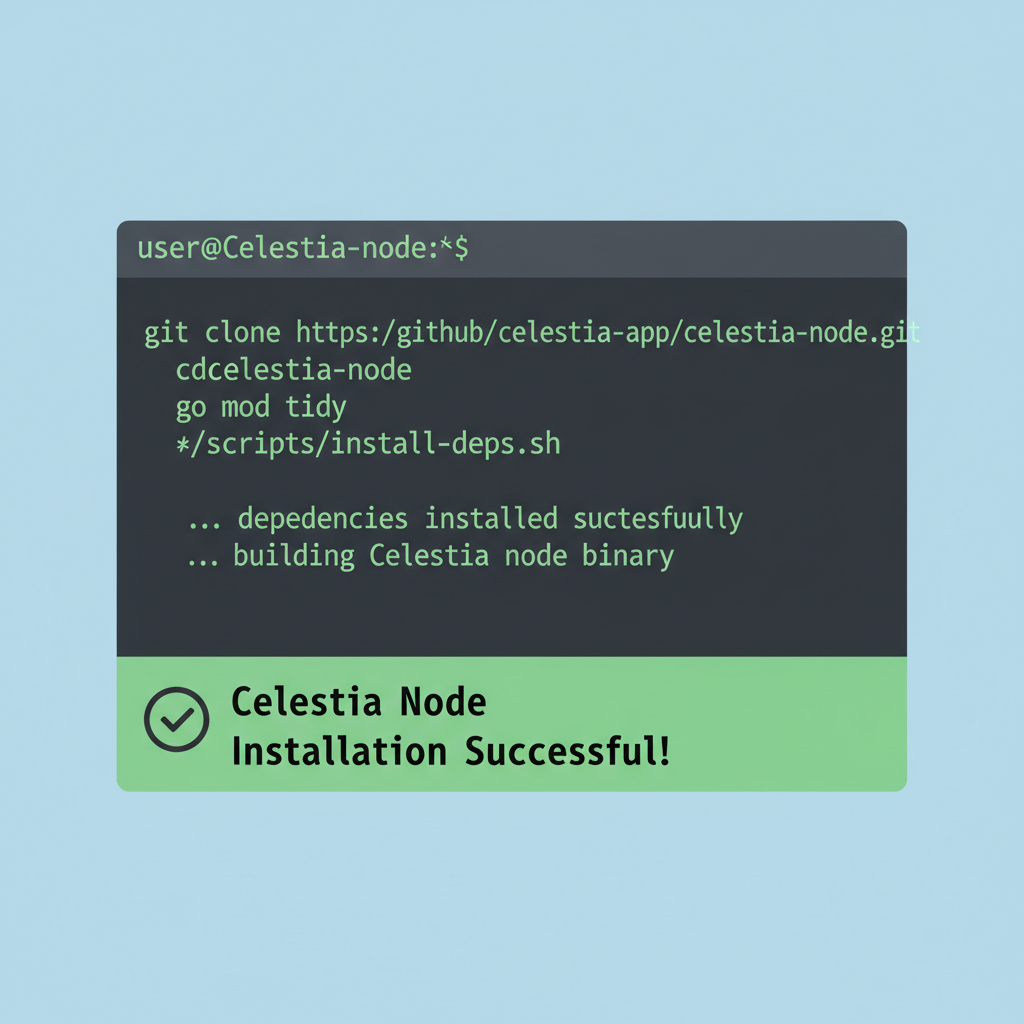
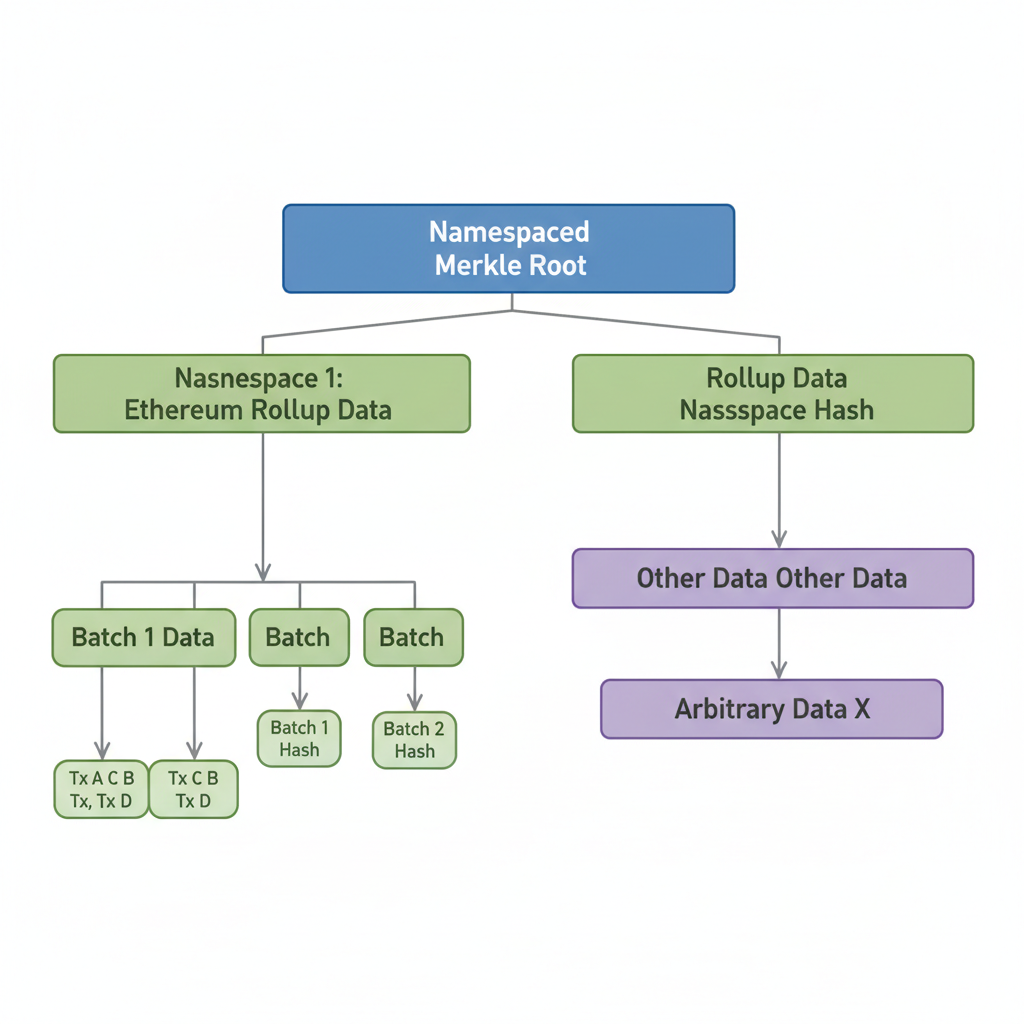
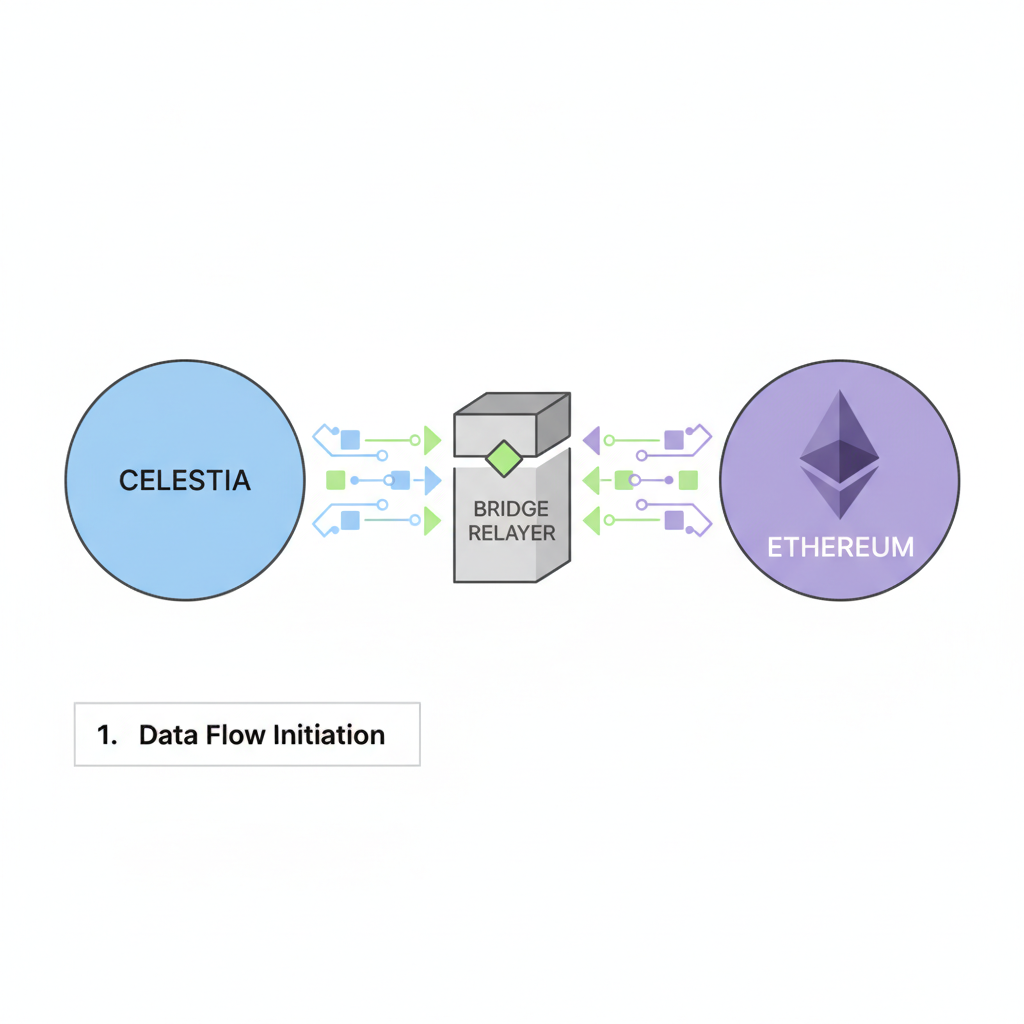
Developers integrating Celestia DA layer Ethereum rollups start by leveraging the Celestia SDK, which simplifies data posting through its Rust-based core. First, set up a Celestia light node synced to the network; this ensures your rollup can sample data shards without full block downloads. Next, configure Namespaced Merkle Trees in your rollup's sequencer to namespace batch data, preventing interference from other rollups. Use the celestia-org/go-header library for Ethereum compatibility, bridging blocks via relayers. Test on the Arabica testnet before mainnet, monitoring gas costs that remain low even as TIA holds at $0.4582. Custom execution environments demand extra scripting, but the payoff is sovereignty unmatched by Ethereum L2s.
Practical Steps for Celestia Rollup Deployment
Master Celestia DA Integration for Ethereum Rollups: 5 Proven Steps
Avail's integration flips the script with its Polygon CDK compatibility, easing entry for OP Stack or zkEVM users. Begin with the Avail SDK in Rust or JS, initializing a data availability client that erasure-codes your batches. KZG commitments generate proofs verifiable by Ethereum contracts, slashing verification overhead. Connect via the Avail RPC endpoints, adjusting for 20-second blocks, and enable multi-chain light clients. Its testnet success with 1.2 million transactions proves robustness; mainnet in early 2026 will unlock production-grade Avail data availability rollups.
| Feature | Celestia | Avail |
|---|---|---|
| Block Time | 6 seconds | 20 seconds |
| Block Size (2026) | 8 MB planned | 4 MB |
| Security Model | Hash proofs (quantum-resistant) | KZG commitments |
| Integration SDK | Rust/Go, custom for non-EVM | Rust/JS, chain-agnostic |
| Cost vs Ethereum Blobs | Significantly lower | Competitive, universal |
| Ecosystem Fit | Sovereign/EVM rollups | EVM/Cosmos/appchains |
This Ethereum L2 DA comparison table underscores trade-offs: Celestia's speed suits high-frequency DeFi rollups, while Avail's versatility powers cross-chain bridges. Costs, per Modexa ecosystem studies, favor Celestia during peak Ethereum congestion, directly bolstering TIA's utility at $0.4582 amid modest 24-hour dips. For blockchain data availability integration, audit your rollup's data volume; Celestia scales via DAS for 1 GB and blocks long-term, Avail via efficient encoding for steady loads.
Real-world deployments highlight nuances. Celestia's OP Stack integrations, like those in early 2025 pilots, cut DA fees by orders of magnitude versus blobs, per BlockEden deep dives. Avail's Clash of Nodes drew Polygon devs experimenting with zk-rollups, foreshadowing hybrid stacks. Both support light node sampling at parity, per Celestia Forum consensus, but Celestia's operational maturity since 2023 edges it for risk-averse teams. As modular DA solutions 2026 mature, hybrid approaches may emerge, posting to both for redundancy.
Security audits reveal Celestia's hash-based edge against quantum risks, prudent as NIST standards evolve. Avail counters with succinct proofs, ideal for mobile light clients verifying rollup scalability. Performance benchmarks from Galaxy's modularity thesis show Celestia handling 1 MB/s throughput today, targeting 10x by year-end. Avail's erasure coding recovers data from partial nodes, enhancing fault tolerance in decentralized setups.
For Ethereum rollups eyeing 2026 growth, prototype both. Celestia's ecosystem, with millions in transaction volume, pairs cost leadership and Ethereum fallbacks for reliability. Avail's agnosticism future-proofs against L2 fragmentation. With TIA steady at $0.4582, market signals undervalue Celestia's traction, yet Avail's impending mainnet could shift dynamics. Align your choice with execution needs: custom sovereignty or universal plug-and-play.




No comments yet. Be the first to share your thoughts!