

In the evolving landscape of blockchain technology, layer 0 blockchain infrastructures stand as the unsung architects enabling the rise of modular DA layers. These foundational networks transcend traditional Layer 1 limitations by providing interoperable protocols that allow specialized chains to flourish, particularly in handling data availability for rollups and beyond. As Ethereum's data posting remains a persistent bottleneck for rollups, projects like Celestia are leveraging Layer 0 principles to deliver scalable, secure data solutions without compromising decentralization.
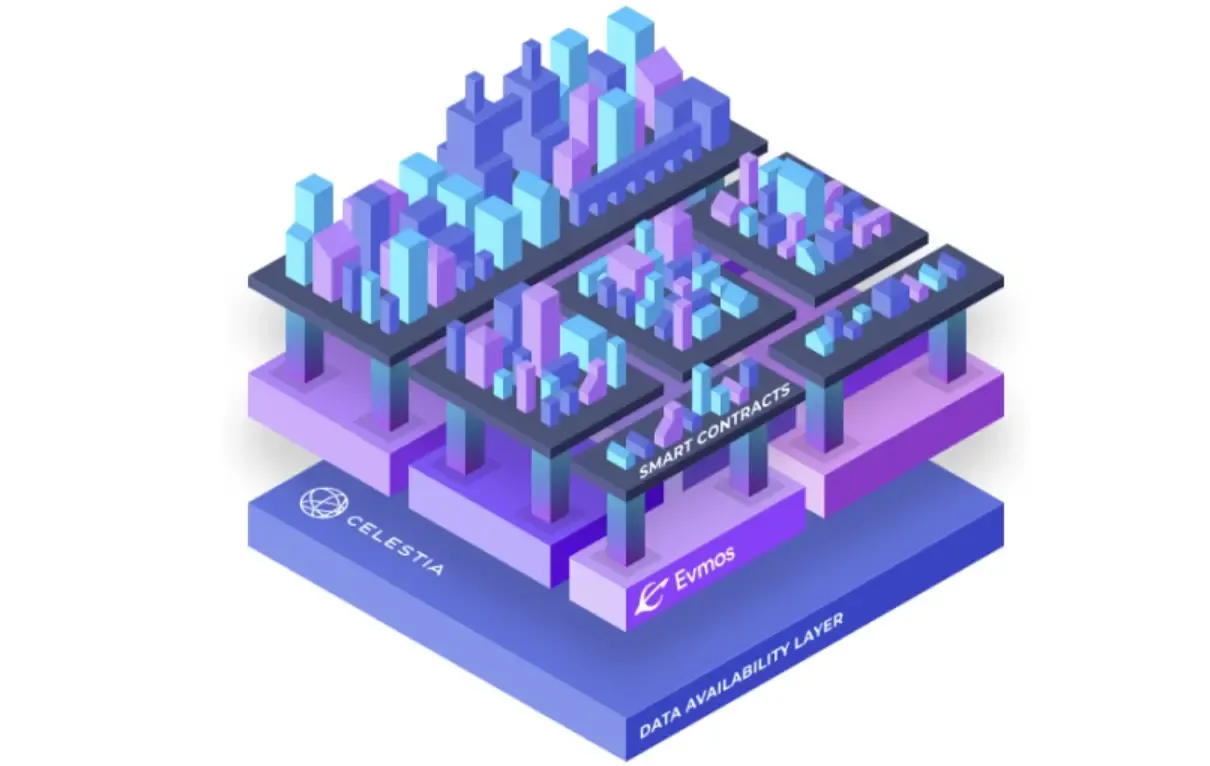
Layer 0 platforms such as Polkadot, Cosmos, and Avalanche furnish the hardware, network protocols, and cross-chain standards essential for seamless communication. This setup empowers developers to decouple data availability from execution and consensus, a strategic shift that addresses the blockchain trilemma head-on. By optimizing each function independently, modular architectures promise unprecedented efficiency, positioning Celestia data availability as a linchpin for next-generation scalability.
Decoding the Core Mechanics of Layer 0 Blockchains
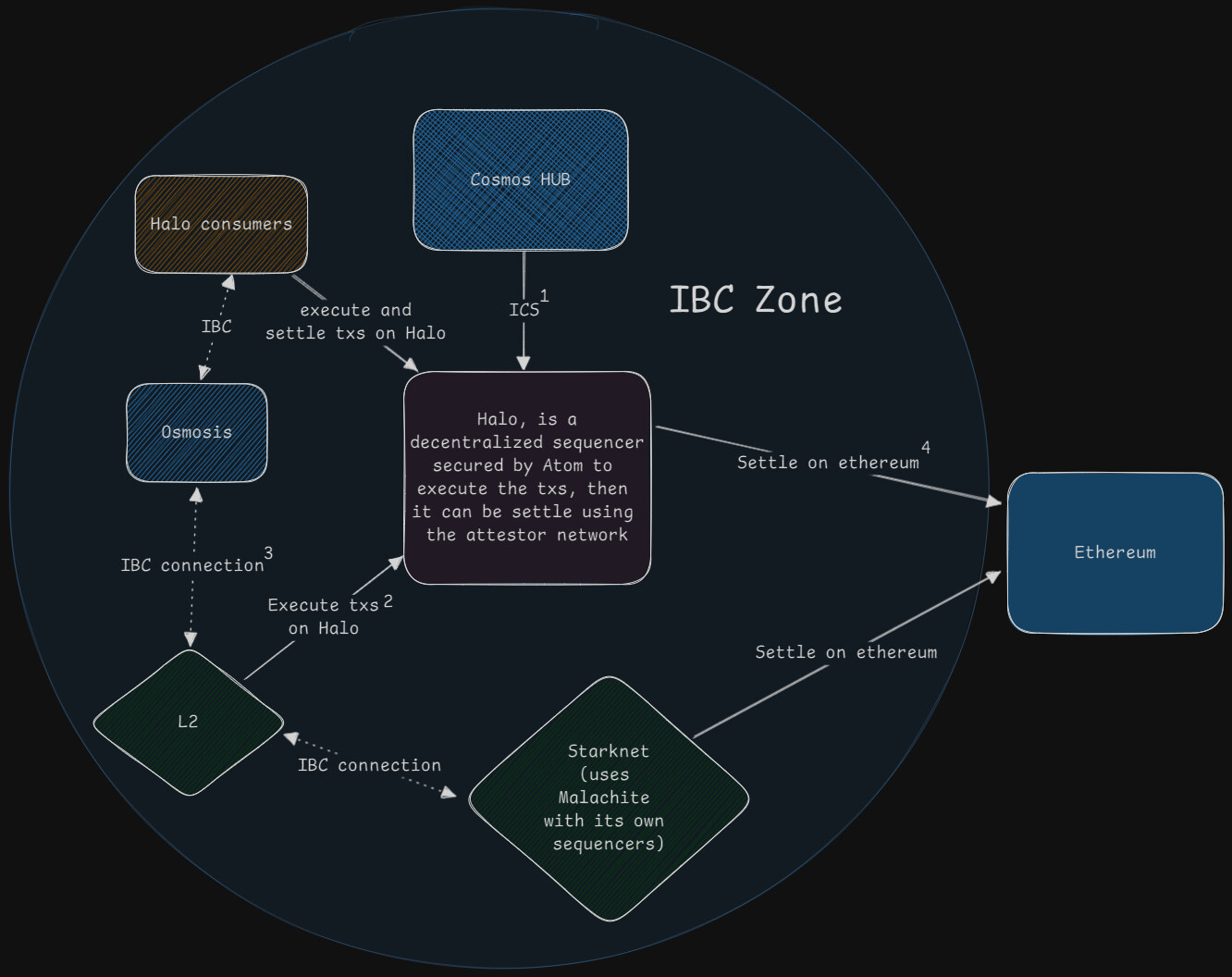
To grasp blockchain layer 0 explained, consider its role as the meta-layer orchestrating interoperability. Unlike monolithic chains that bundle all functions, Layer 0 delivers shared security, relay chains for messaging, and customizable parachains or zones. Polkadot's relay chain, for instance, validates parachain blocks while ensuring economic security through DOT staking. Cosmos achieves similar feats via its Inter-Blockchain Communication (IBC) protocol, fostering a cosmos of sovereign chains that exchange data effortlessly.

Avalanche's subnets extend this model, allowing bespoke virtual machines tailored to applications. These mechanisms mitigate fragmentation risks, a concern in modular setups where data silos could undermine trust. Layer 0's security models, often rooted in proof-of-stake with slashing, provide robust defenses, ensuring that data availability sampling - a technique Celestia champions - operates reliably across ecosystems.
Key Layer 0 Advantages for Modular DA
- Interoperability via cross-chain protocols: Platforms like Polkadot (XCM) and Cosmos (IBC) enable seamless data sharing across modular DA layers and rollups.
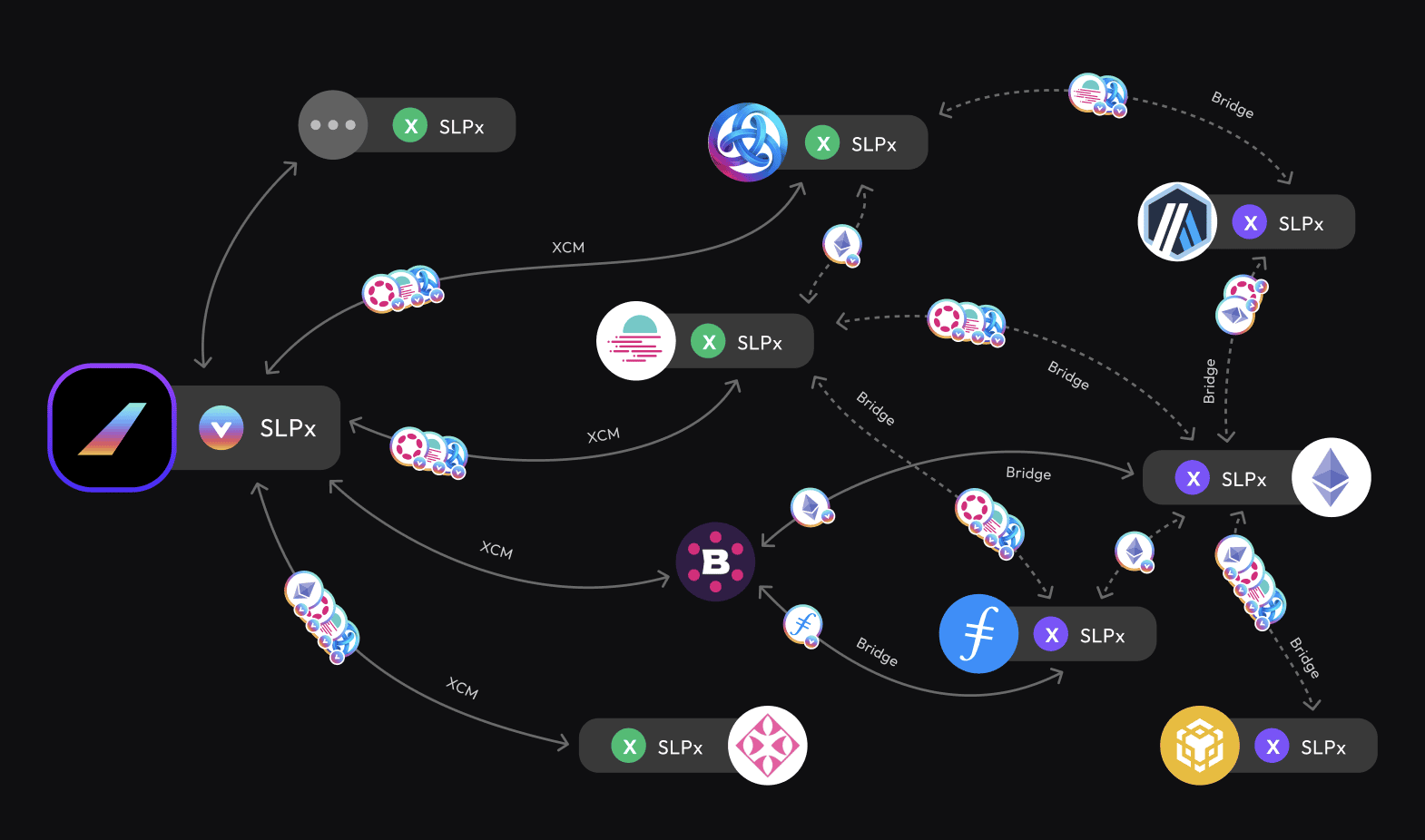
- Shared security reducing per-chain overhead: Layer 0 like Polkadot provides unified security for parachains, minimizing costs for DA layers vs. standalone validation.
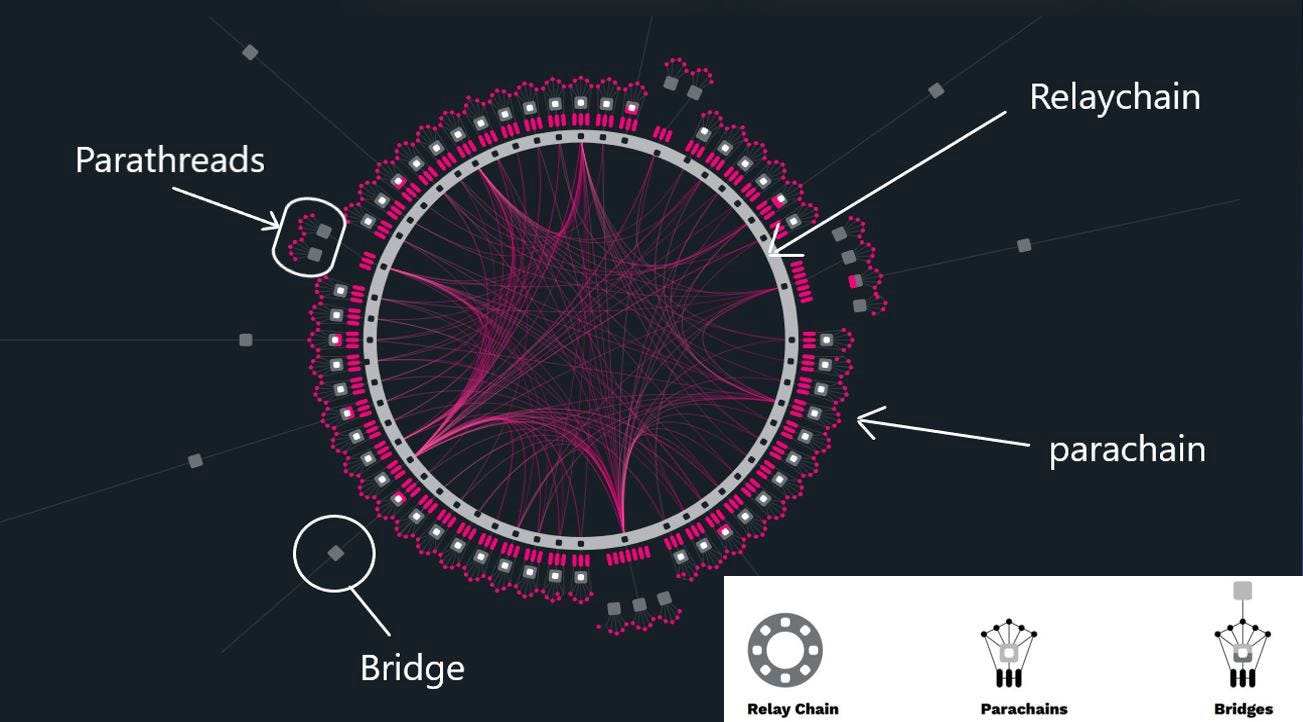
- Customizable scalability for DA-focused layers: Cosmos and Avalanche subnets allow tailored DA solutions, as in Celestia's modular design for rollups.
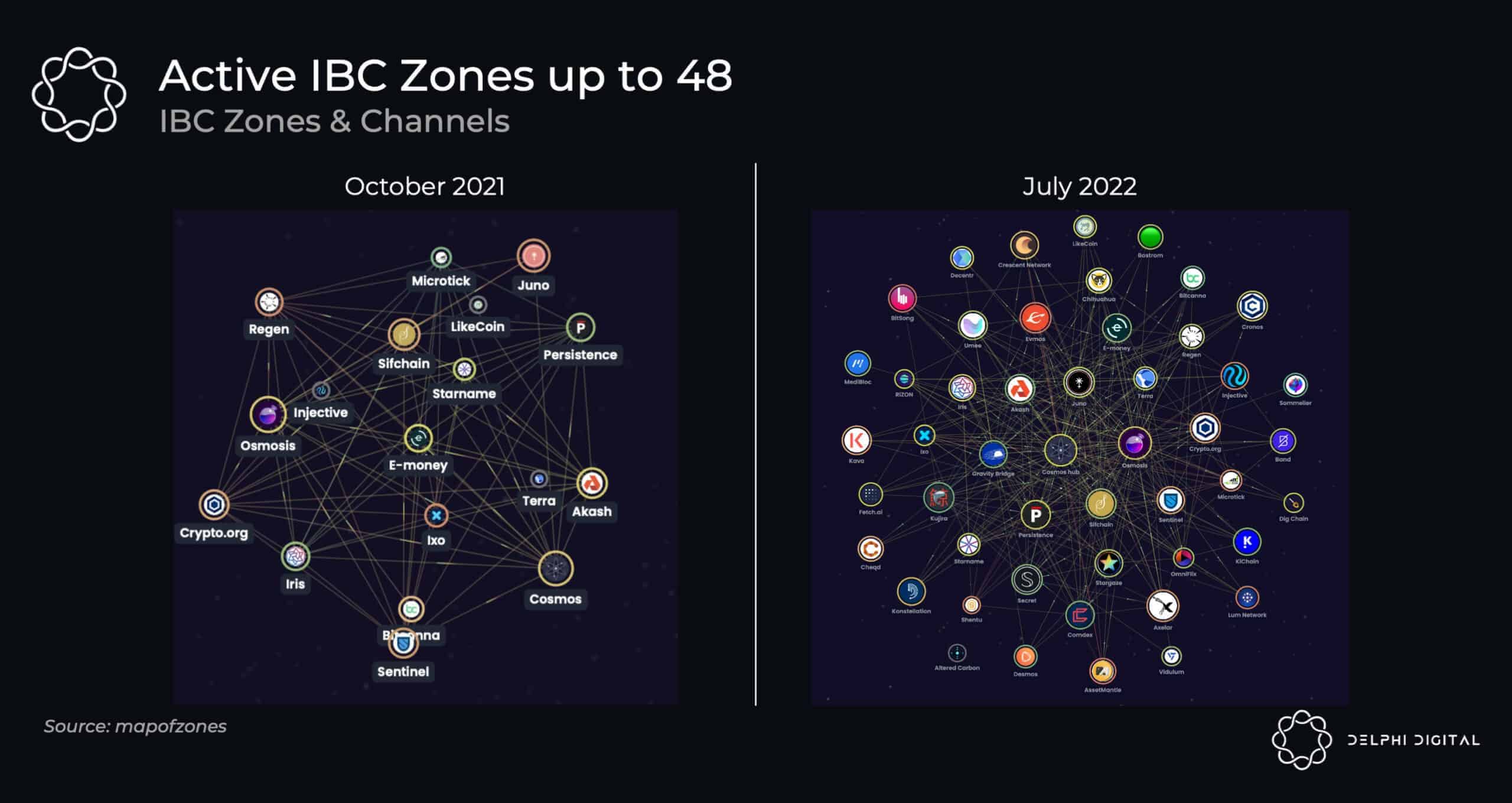
- Cost-efficient data posting alternatives to Ethereum: Celestia on Cosmos offers cheaper DA blobs, bypassing Ethereum's high posting fees for L2s.
- Enhanced developer flexibility for rollups: Build sovereign rollups with Polkadot, Cosmos, or Avalanche, composing DA independently for optimal performance.
How Layer 0 Empowers Data Availability Sampling Innovations
Data availability sampling emerges as a cornerstone of modular DA layers, and Layer 0 blockchains amplify its potential. This technique allows light nodes to verify large data blobs by sampling fractions, slashing verification costs dramatically. Celestia pioneers this with its Blobstream, bridging to Ethereum while offering 1MB blocks at fractions of L1 gas fees. By anchoring on Layer 0-like infrastructures, Celestia ensures data integrity without demanding full downloads, a game-changer for optimistic rollups.
Read more on how data availability layers power modular blockchains. In practice, rollups from Caldera or Conduit can plug into Celestia, Ethereum, or even Bitcoin for DA, courtesy of Layer 0's pluggable standards. This composability flips the script on monolithic designs, where execution, consensus, and DA choke under unified demands.
Celestia's Strategic Positioning Within Layer 0 Foundations
Celestia exemplifies how Layer 0 thinking manifests in specialized DA layers. As a sovereign blockchain dedicated to data availability, it delegates consensus to Tendermint while innovating on data roots and sampling. Its TIA token incentivizes namespaces for rollups, creating a marketplace for data postings. Galaxy's modularity thesis underscores this: by dissecting the stack, Celestia targets the DA bottleneck, enabling 100x throughput gains for L2s.
Alt DA solutions like these challenge Ethereum's dominance, where blobs help but costs linger. Layer 0's interoperability arms Celestia with bridges to post data across ecosystems, ensuring verifiable storage. For developers, this means lightweight execution environments that scale unbound, secured by Layer 0's vigilant oversight. As adoption surges, expect Layer 0 to underpin a proliferation of modular DA innovations, reshaping blockchain economics.
Explore further in our guide on how modular blockchain architectures solve data availability and scalability in 2025.
Strategic minds recognize Celestia's ascent not as isolated brilliance, but as a direct beneficiary of Layer 0's expansive canvas. Polkadot's parachains, for example, could host DA-optimized siblings to Celestia, channeling data flows through XCM for cross-parachain verification. Cosmos IBC opens similar doors, where zones post availability proofs interoperably, sidestepping Ethereum's fee volatility that still hampers rollup economics.
This Layer 0 synergy manifests in tangible deployments. Rollups like Dymension, built on Cosmos SDK, tap Celestia for DA while inheriting IBC liquidity. Such integrations underscore a pivotal truth: modular DA layers thrive when Layer 0 provides the glue, preventing the isolation that plagued early multi-chain experiments.
Layer 0's Edge Over Monolithic Rivals in DA Delivery
Monolithic chains like Ethereum, despite Dencun upgrades introducing blobs, grapple with inherent constraints. Data posting costs, even optimized, scale linearly with demand, throttling L2 growth. Layer 0 flips this equation by distributing load across specialized components. Avalanche subnets, with their high-throughput consensus, pair naturally with DA sampling, enabling sub-second finality for availability checks. Polkadot's agile coretime auctions allocate resources dynamically, ensuring DA layers like Celestia secure bandwidth without contention.
Strategic L0 Integrations for Modular DA
- Polkadot Parachains with Celestia Blobstream bridges enable seamless data availability for modular rollups via cross-chain light client verification.

- Cosmos IBC protocol supports rollup data namespaces, facilitating interoperable data posting and verification across sovereign chains.
- Avalanche Subnets host alternative DA providers like Celestia, allowing customizable, high-throughput data layers for rollups.
- Shared Slashing Economics across L0 ecosystems unify security, deterring misbehavior through collective validator penalties.
- Dynamic Scaling via auctioned compute slots optimizes resource allocation for DA layers in Polkadot and similar L0s.
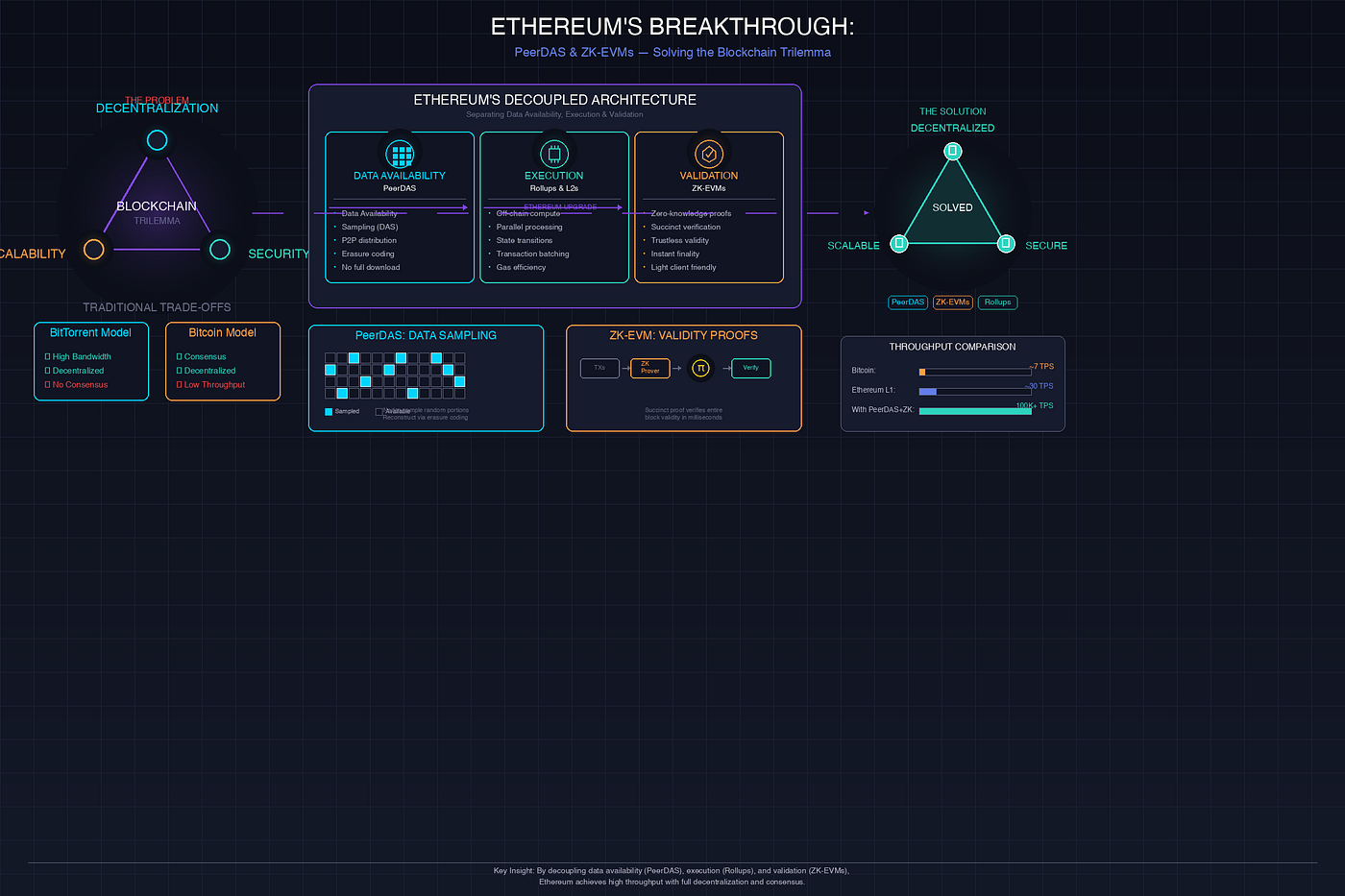
Critically, this architecture inoculates against centralization risks. Where Ethereum relies on a narrowing sequencer set, Layer 0 disperses validators across realms, bolstering data availability sampling resilience. Light clients sample proofs with minimal overhead, verifying gigabytes via kilobytes - a precision strike against bandwidth bottlenecks.
Navigating Trade-offs: Risks and Mitigation in Layer 0 DA Stacks
No revolution escapes friction. Layer 0's modularity invites coordination overhead; cross-chain messaging lags can delay DA attestations, eroding user confidence. Yet, protocols evolve swiftly. Celestia's light node clients, fortified by Layer 0 bridges, now achieve sub-minute confirmations. Security bootstrapping poses another hurdle: nascent DA layers must amass stake to deter attacks. Here, Layer 0's mature economies - DOT at multi-billion TVL, ATOM's IBC hubs - lend credibility, bootstrapping trust via shared pools.
Regulators eye this space warily, questioning if pluggable DA fragments oversight. My view: true decentralization demands such granularity. Layer 0 enforces atomic composability, where DA failures cascade visibly, self-correcting via economic penalties. Dive deeper into how data availability layers solve blockchain scalability without sacrificing decentralization.
Visionaries building today prioritize Layer 0 for its foresight. EigenDA, Avail, and Near DA explore similar veins, each courting Layer 0 alliances. Celestia leads, but the pack tightens, promising a DA marketplace where rollups bid for optimal providers.
Forward-thinkers position accordingly: stake in Layer 0 natives for yield, deploy rollups on hybrid DA, and monitor interoperability upgrades. This ecosystem, rooted in layer 0 blockchain rigor, heralds blockchains that scale as networks, not silos. Modular DA, empowered by foundational protocols, unlocks the throughput Ethereum dreams of - 100,000 TPS realities beckon for those who orchestrate wisely.




No comments yet. Be the first to share your thoughts!