

Imagine slashing your rollup's data posting costs while keeping Ethereum as your trusty settlement layer- that's the Celestia DA layer rollups magic Ethereum developers are buzzing about right now. With Celestia (TIA) trading at $0.3240, up $0.0161 in the last 24 hours, the timing couldn't be better to dive into Celestia Ethereum integration. This modular powerhouse handles data availability so efficiently, it's like giving your rollup rocket fuel for scalability without the Ethereum calldata burn.
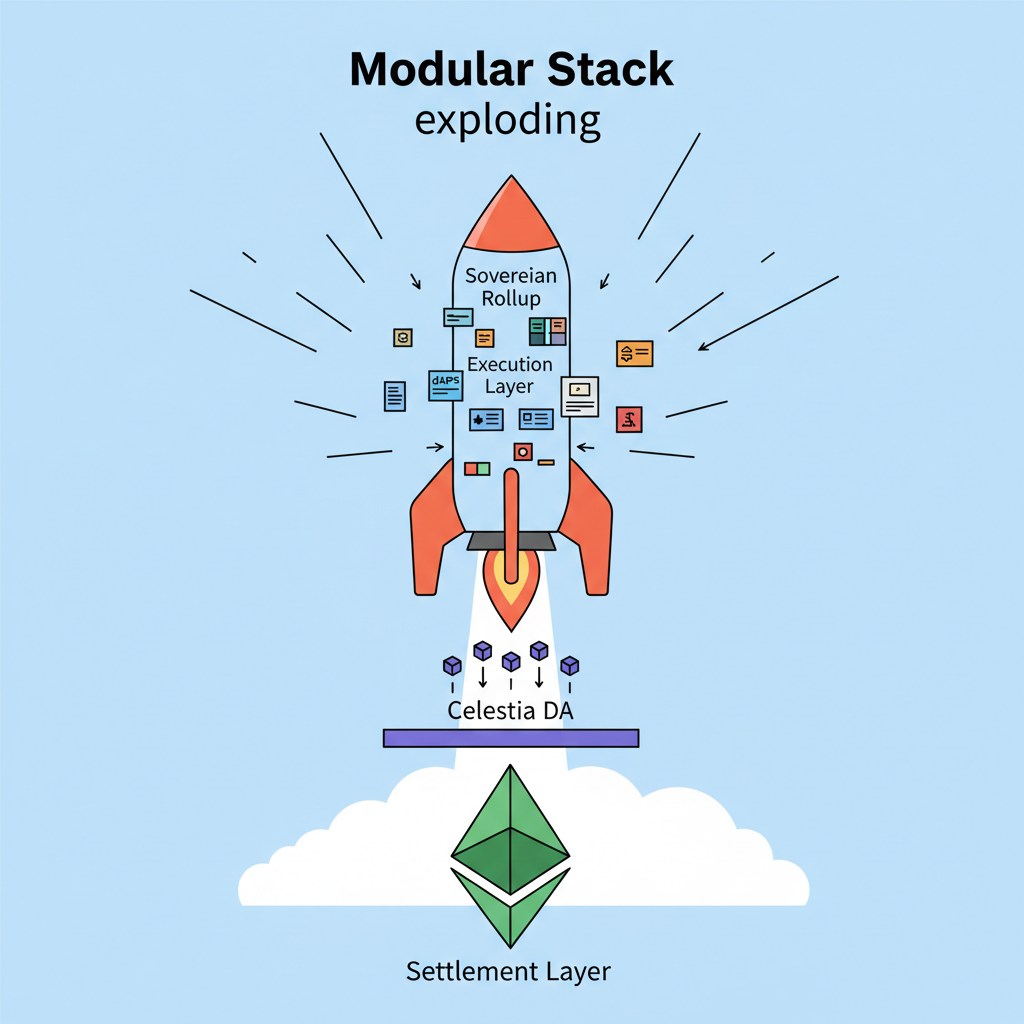
Celestia's not just another layer- it's a full-on modular data availability network that orders blobs and keeps them accessible, letting execution and settlement thrive elsewhere. For Ethereum devs building with the OP Stack, integrating Celestia means posting transaction data to its network instead of Ethereum's L1, cutting overhead dramatically. I've traded TIA through wild swings, and watching its utility explode in rollups makes me bullish- this is where real modular DA solutions Ethereum shine.
Unlocking Cost Savings: Why Celestia Beats Ethereum Calldata Every Time
Rollups have been a game-changer for Ethereum scaling, but that data availability bottleneck? It's been a silent killer for costs. Enter Celestia: by offloading DA to its dedicated chain, you sidestep Ethereum's pricey calldata. Right now, with TIA at $0.3240, the network's efficiency is translating to real trader gains too. No more watching gas fees eat your margins- Celestia's blobs are cheaper, faster to verify, and purpose-built for this.
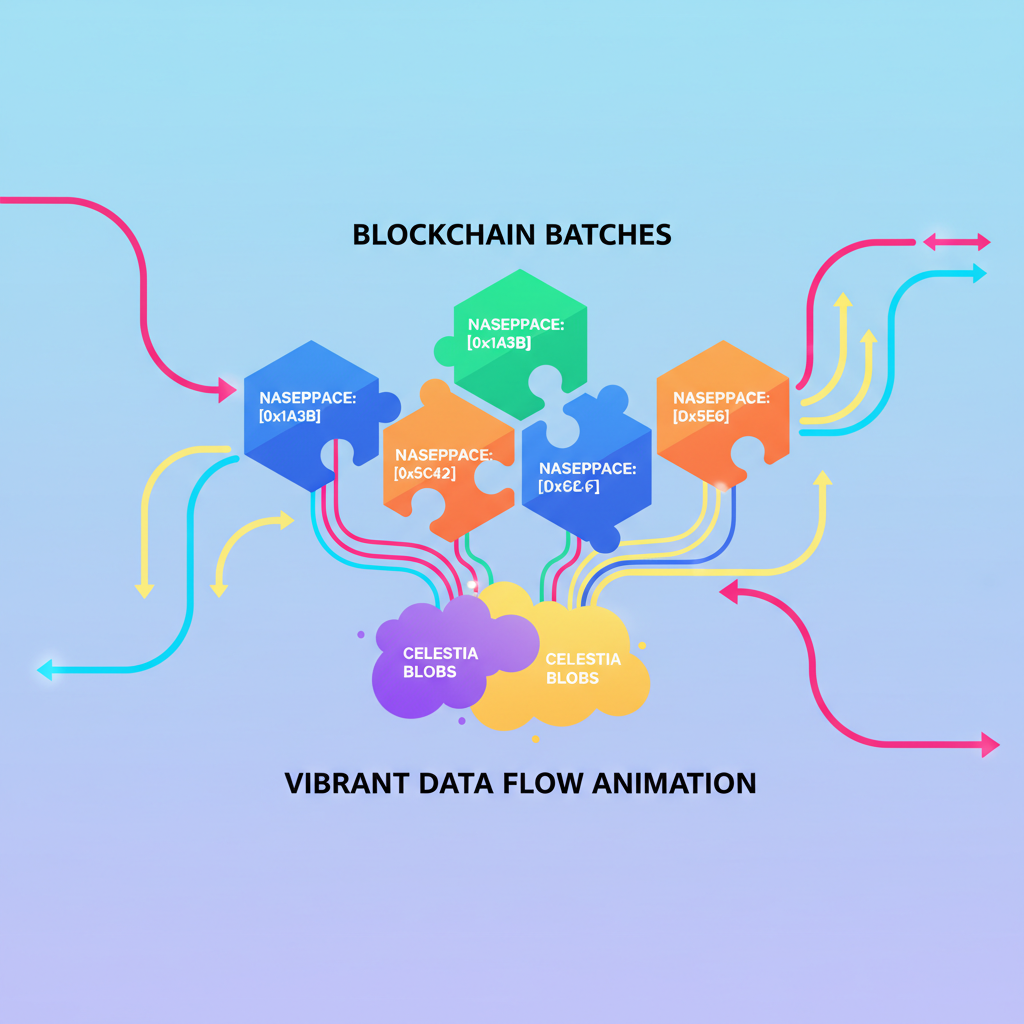
Celestia is a modular data availability network: it orders blobs and keeps them available while execution and settlement live on layers above.
Think about it practically: in a high-throughput rollup, posting batches to Ethereum can rack up thousands in fees weekly. Celestia flips that script, enabling data availability rollups tutorial levels of throughput that Ethereum alone can't match. Plus, its design boosts security- every node verifies data independently without trusting the rollup operator blindly. If you're deploying OP Stack or Arbitrum Orbit, this is your scalability unlock.
Step-by-Step Environment Setup: From Devnet to Mocha Testnet
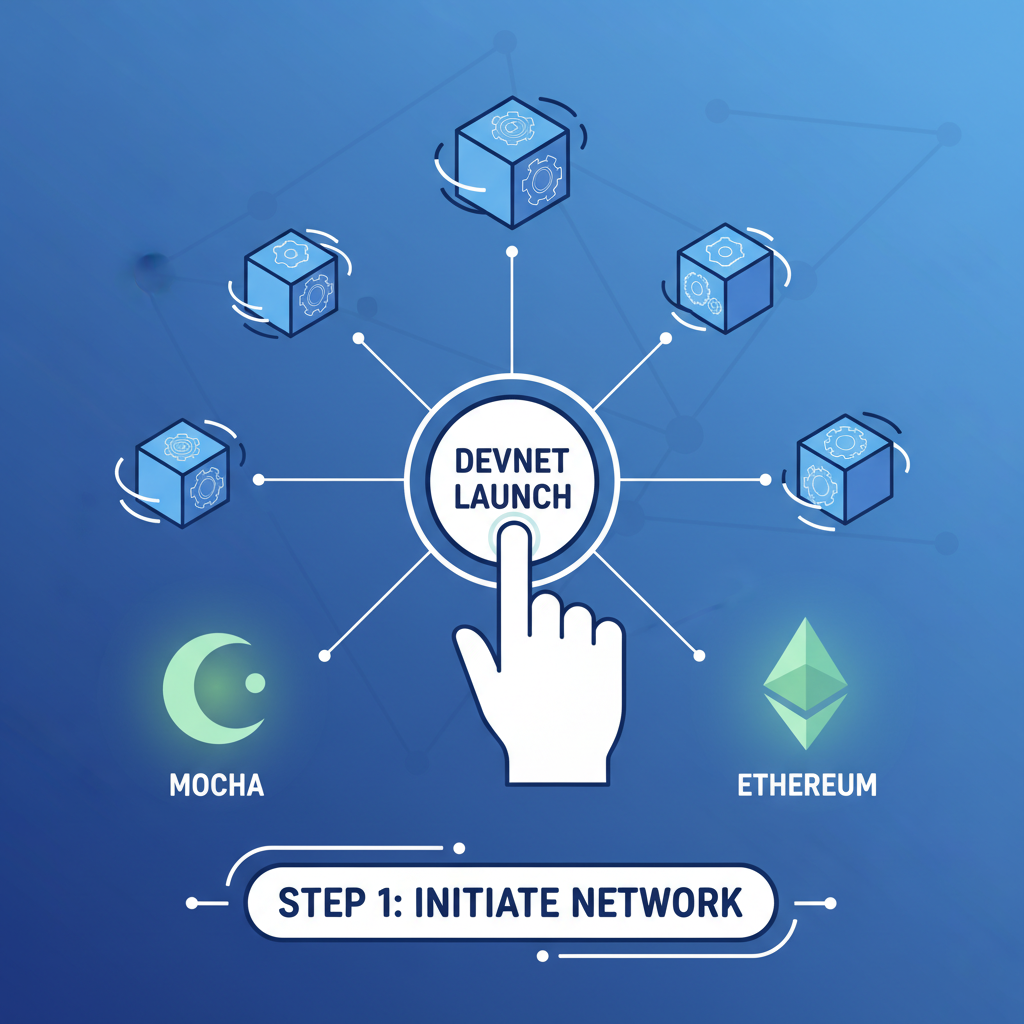
Let's get hands-on with this Celestia developer guide. First, spin up your environment. Start by deploying a devnet that posts data straight to Celestia's Mocha testnet- perfect for tinkering without real stakes. Or go bolder: hook a testnet to Mocha while settling on Ethereum's Sepolia. Grab the OP Stack blueprint, tweak your configs, and you're rolling.
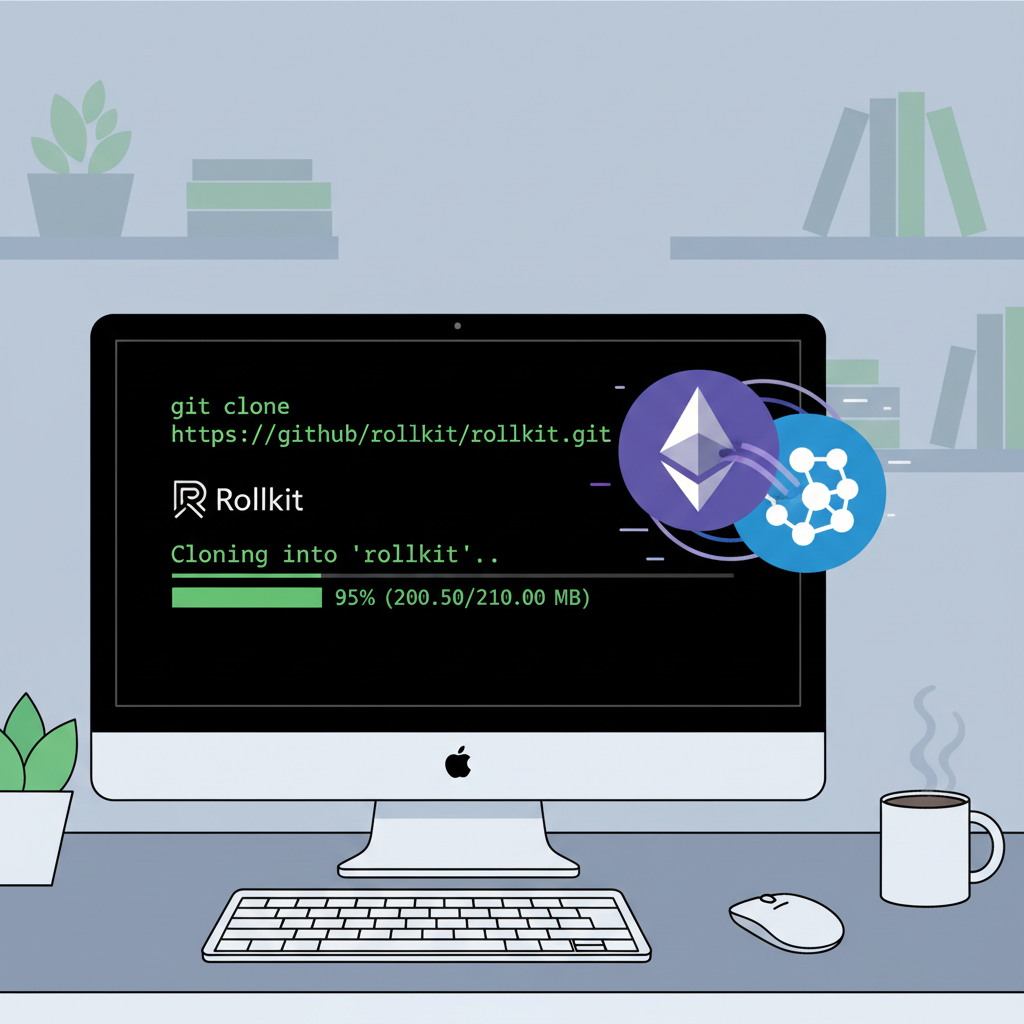
- Clone the OP Stack repo and install dependencies- Node. js, Go, the usual suspects.
- Launch a local devnet with
make devnet-up, but point data outputs to Celestia endpoints. - Fund your deployer wallet on Mocha via the faucet- testnet TIA flows free.
This setup lets you prototype Celestia DA layer rollups in hours, not days. I've day-traded enough alts to know: test fast, iterate faster. Pro tip: monitor your batcher logs early- Celestia's light client verification is key here.
Celestia (TIA) Price Prediction 2027-2032
Projections based on $0.3240 current price (2026), DA adoption growth, rollup integrations, and market cycles
| Year | Minimum Price | Average Price | Maximum Price | YoY % Change (Avg) |
|---|---|---|---|---|
| 2027 | $0.45 | $1.20 | $2.80 | +270% |
| 2028 | $0.90 | $2.50 | $5.50 | +108% |
| 2029 | $1.40 | $4.00 | $9.00 | +60% |
| 2030 | $2.00 | $6.00 | $14.00 | +50% |
| 2031 | $3.00 | $9.00 | $22.00 | +50% |
| 2032 | $4.50 | $13.50 | $32.00 | +50% |
Price Prediction Summary
Celestia (TIA) is forecasted to experience strong growth from its 2026 price of $0.3240, driven by DA layer adoption in Ethereum rollups and modular blockchain trends. Average prices are projected to rise progressively to $13.50 by 2032, with maximum potentials reaching $32.00 in bullish scenarios amid market cycles and technological advancements.
Key Factors Affecting Celestia Price
- Increasing adoption of Celestia as DA layer for OP Stack and other rollups
- Cost reductions and scalability benefits attracting developers
- Expansion of modular blockchain ecosystem
- Crypto market cycles, including Bitcoin halvings
- Regulatory developments favoring decentralized infrastructure
- Competition from Ethereum blobs and alternative DA solutions like Avail
Disclaimer: Cryptocurrency price predictions are speculative and based on current market analysis. Actual prices may vary significantly due to market volatility, regulatory changes, and other factors. Always do your own research before making investment decisions.
Mastering the Batcher: Posting Rollup Blocks to Celestia
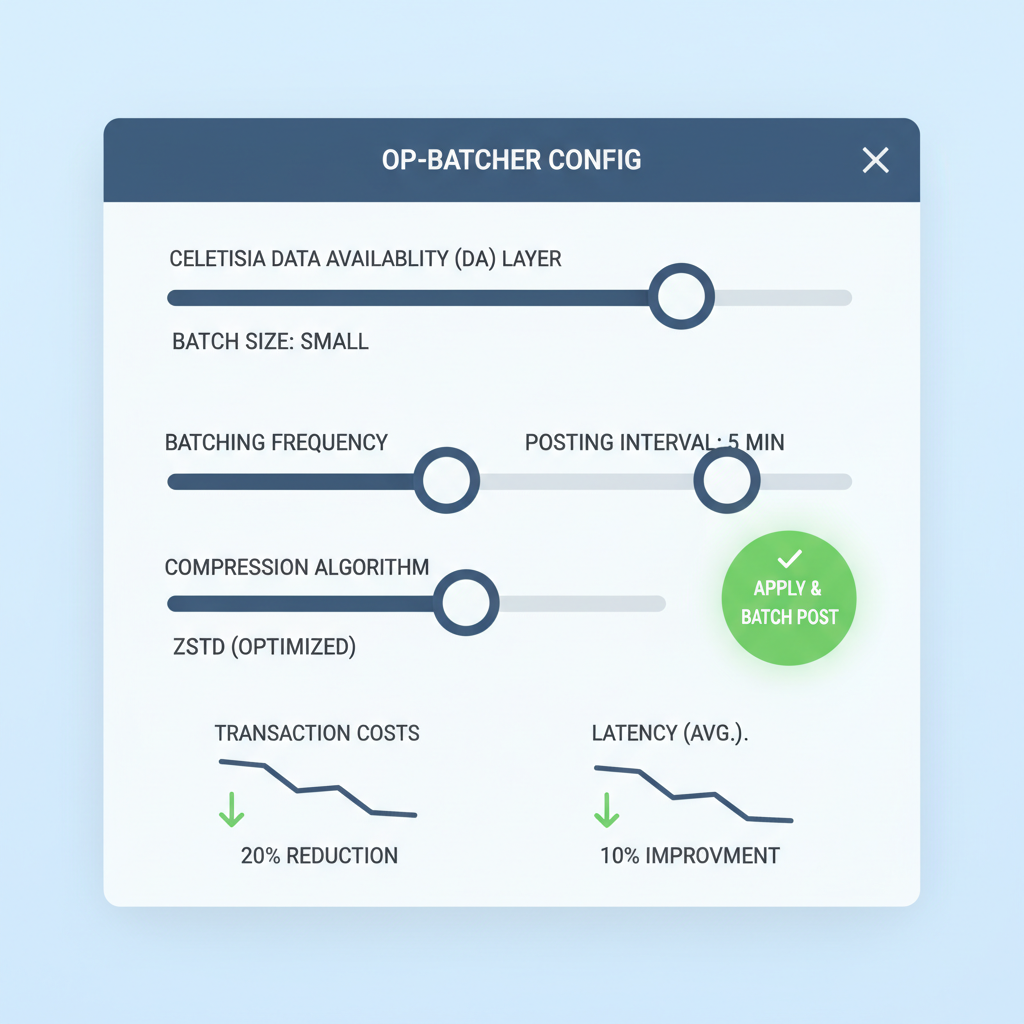
Now the juicy part- configuring op-batcher. This bad boy batches your rollup blocks and flings them to Celestia's DA layer instead of Ethereum. Modify the batcher config to use Celestia RPC endpoints, specify blob sizes optimized for TIA's namespace model, and boom- data's live on the modular stack.
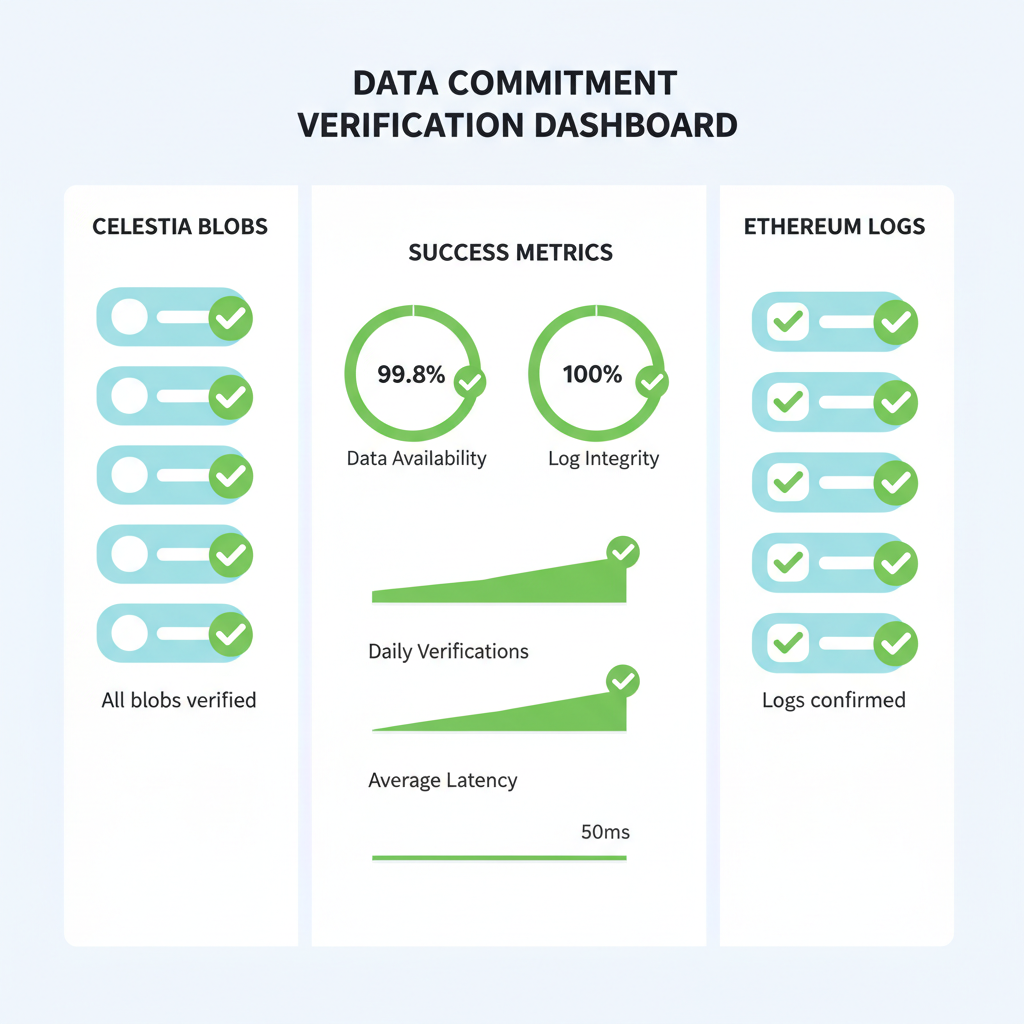
Modify batcher-erigon. toml: [batchers] celestia-rpc = "mocha. celestia. org: 26658" namespace-id = "your-app-namespace" Once batched, Celestia samples the data commitments, posts them back to your op-batcher, and op-node pulls it seamlessly. It's elegant: data hits DA first, commitment second, verification third. Costs? Pennies compared to L1. Scalability? Through the roof for your dApps.
Verification kicks in via Celestia's light clients, ensuring anyone can sample and confirm your rollup data without running a full node. It's trust-minimized magic that Ethereum devs crave for production rollups. With TIA holding steady at $0.3240 after that 24-hour bump of and $0.0161, the network's proving its mettle in real deployments.
🚀 Supercharge Rollups: Celestia DA Integration Mastery

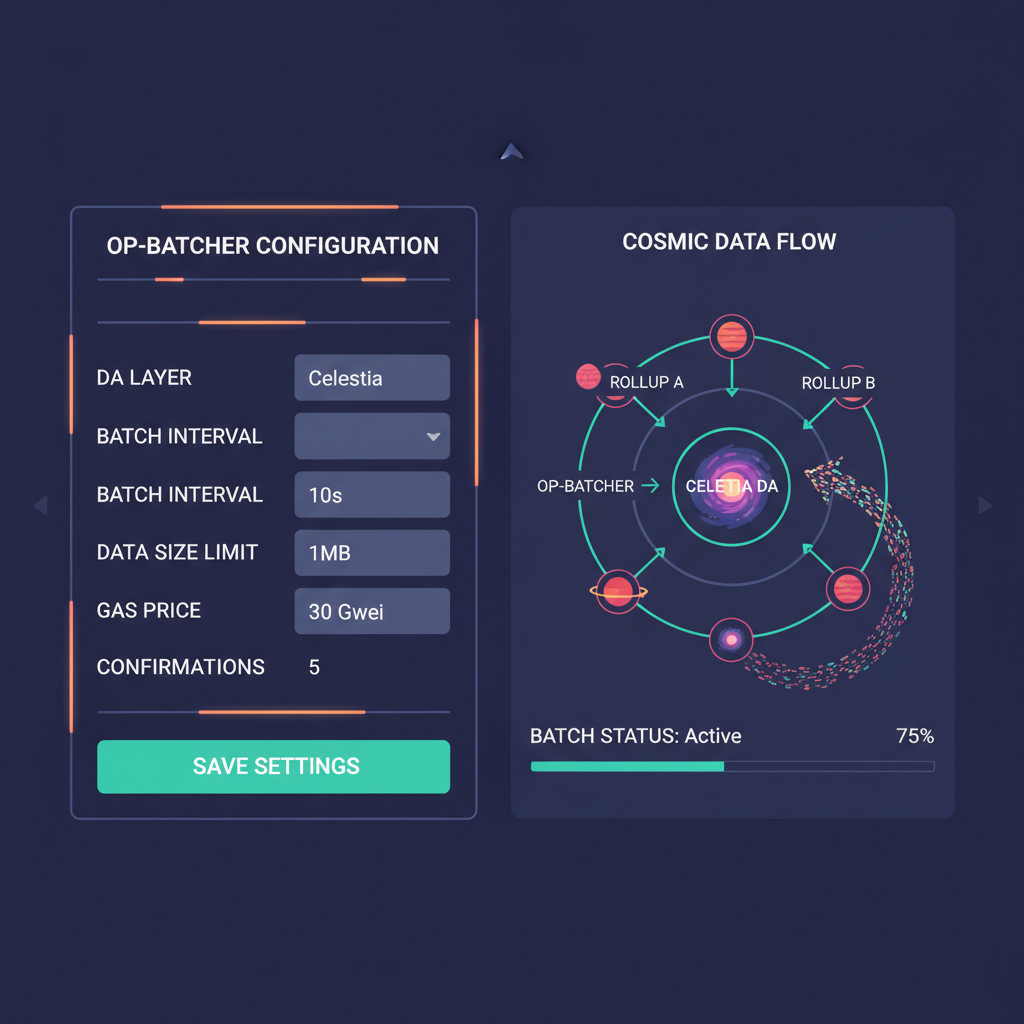

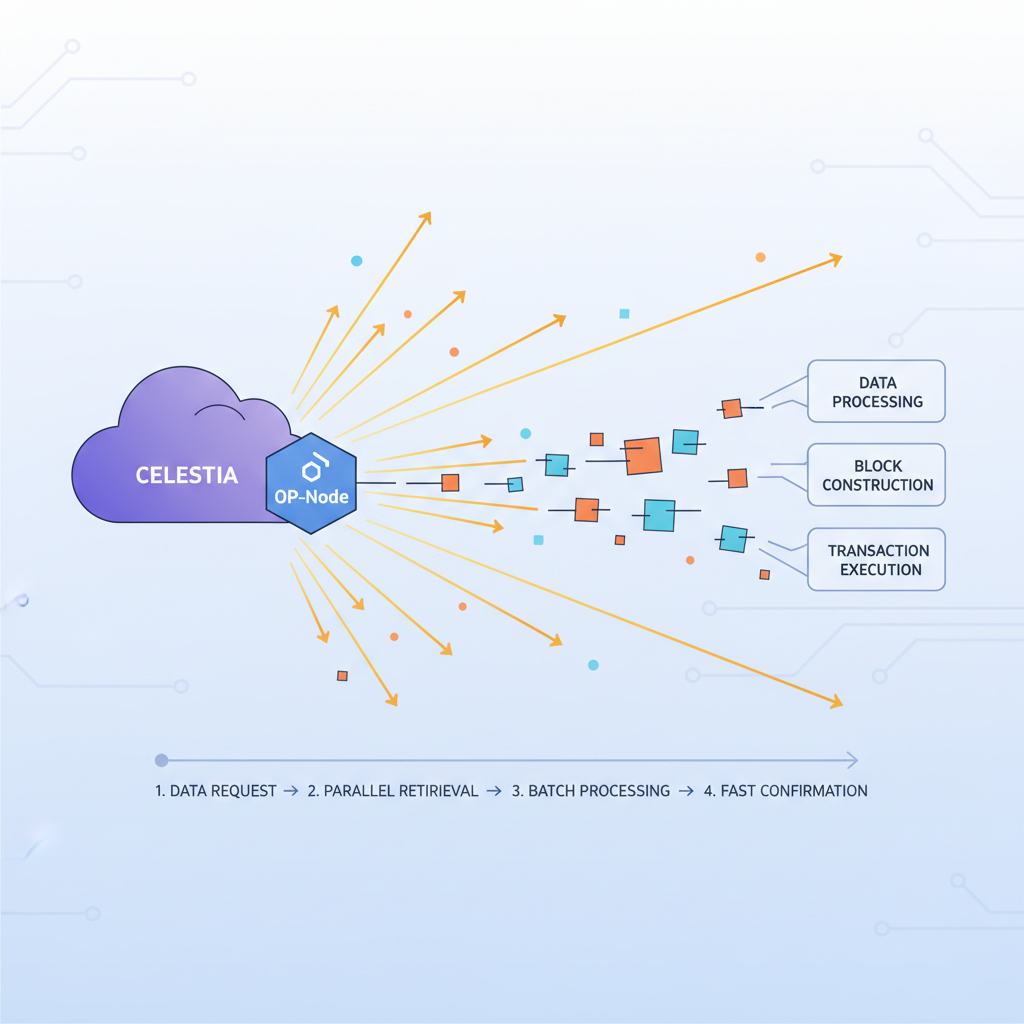


🚀 Celestia DA Rollup Mastery: OP-Node Config to Devnet Launch!
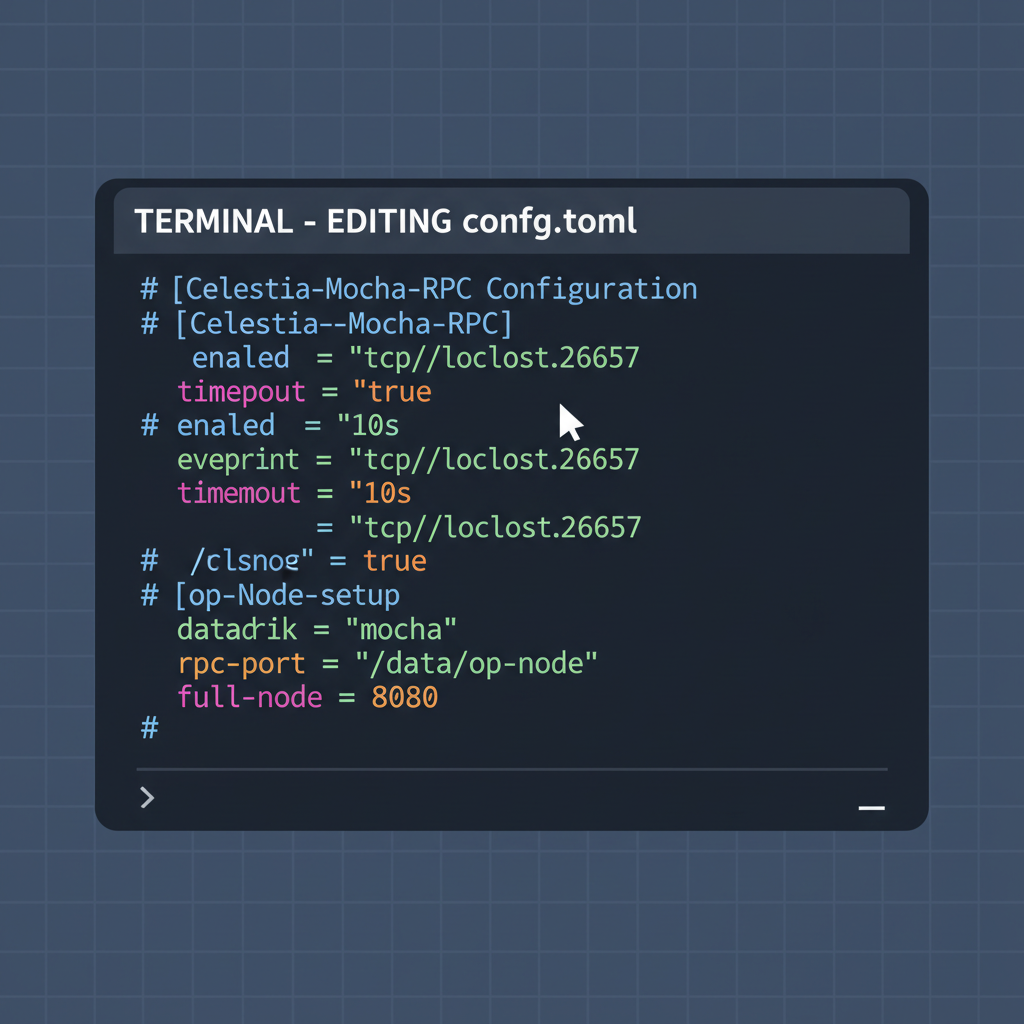
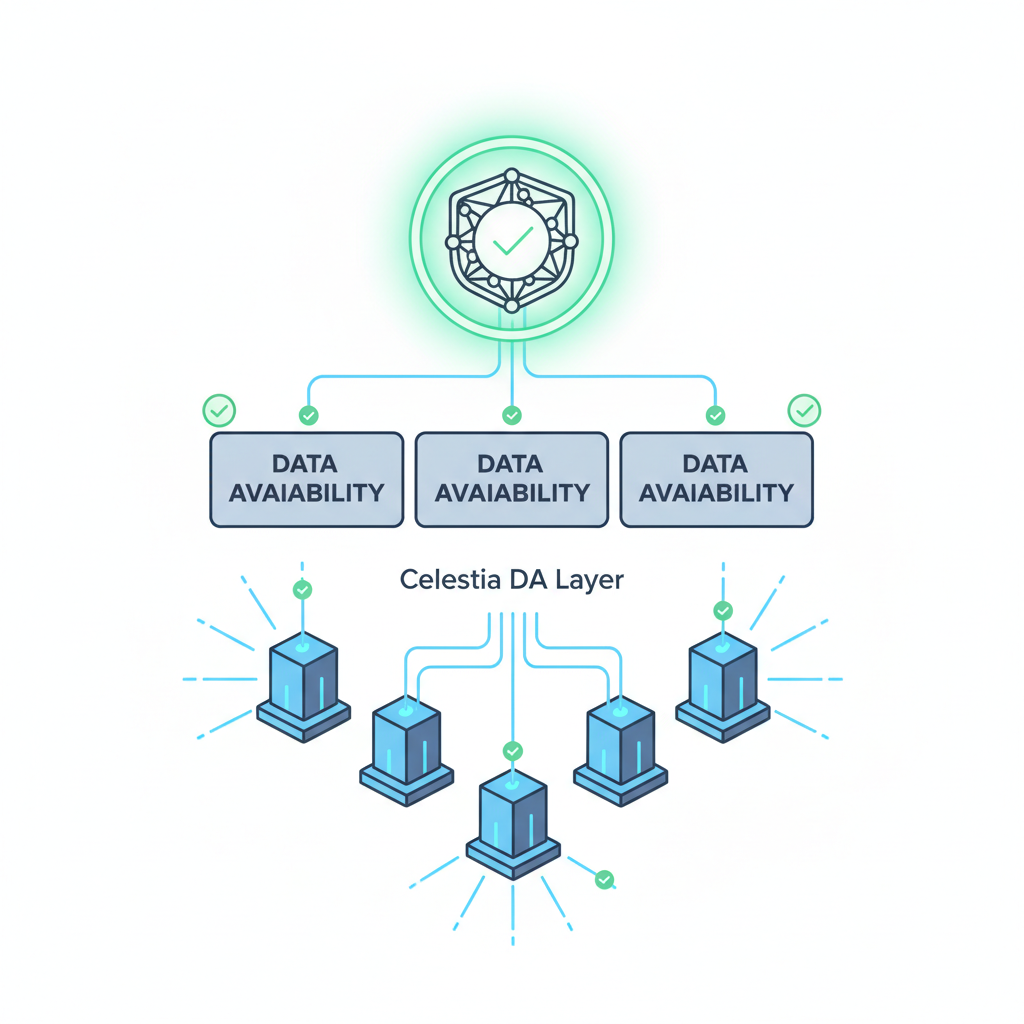

Quantifying the Wins: Costs, Speed, and Security Breakdown
Let's crunch it: Ethereum calldata posts can hit $10-50 per batch at peak times. Celestia? Under $0.10 for equivalent blobs, thanks to namespace isolation and erasure coding. Scalability jumps 10x and as you ditch L1 data bloat. Security holds firm- data availability sampling lets light nodes challenge bad posts, no operator collusion needed.
| Metric | Ethereum Calldata | Celestia DA |
|---|---|---|
| Cost per Batch | $10-50 | and lt;$0.10 |
| Verification Time | Minutes | Seconds |
| Throughput Potential | 100s TPS | 10,000 and TPS |
This isn't hype- it's battle-tested in testnets. For modular DA solutions Ethereum, Celestia delivers where blobs fall short post-Dencun. Your dApps get cheaper txs, faster finals, and Ethereum-grade settlement.

Production rollout? Bridge to mainnet post-Mocha audits. Monitor namespaces for collisions, scale batch sizes dynamically. Tools like Celestia's dev portal streamline managed deploys- no DevOps headache. As a trader glued to charts, I see TIA's $0.3240 floor holding with and 0.0523% 24h gains; rollup hype could spark the next leg up. Ethereum devs, integrate now: build faster, trade smarter, and ride the modular wave.




No comments yet. Be the first to share your thoughts!