

In 2026, scalable modular blockchains are no longer a distant dream; they power the decentralized economy with unprecedented efficiency. At the heart of this revolution lies a subtle yet transformative innovation: data availability layers. These specialized protocols ensure transaction data is accessible and verifiable without burdening execution layers, unlocking throughput that traditional blockchains could only envy. As rollups proliferate and Ethereum ecosystems expand, DA layers like Celestia, EigenDA, and Avail have emerged as the competitive forces driving this shift, slashing costs by up to 95% and fostering a vibrant marketplace of modular DA solutions.
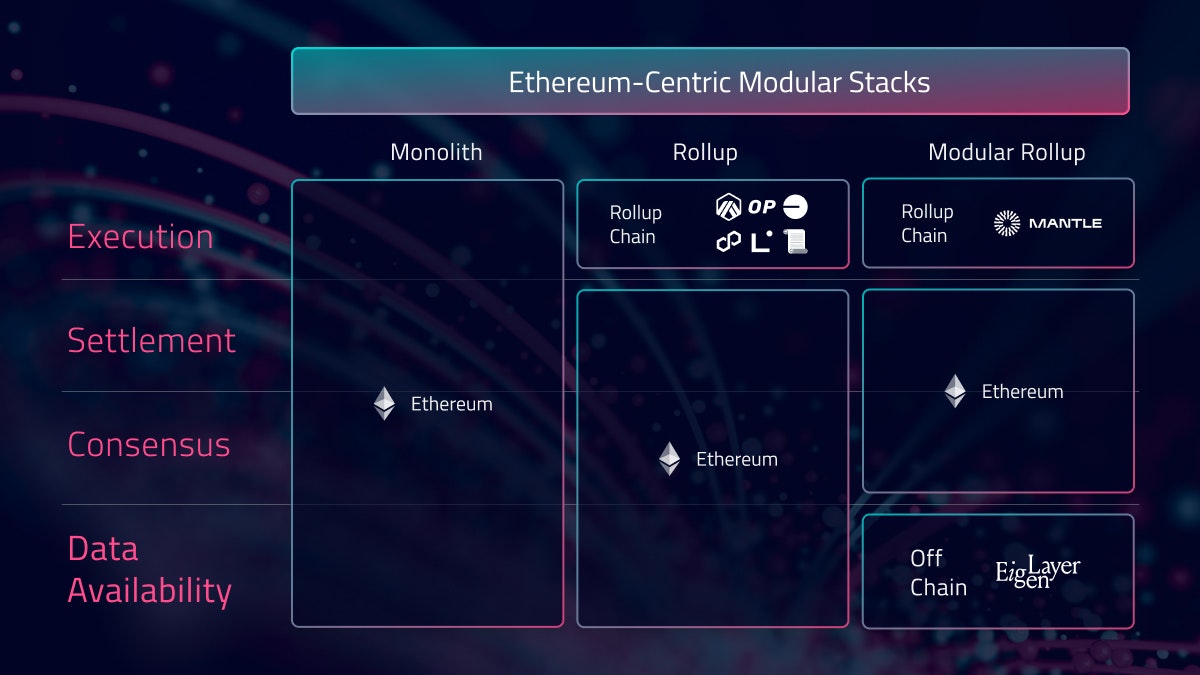
Picture a world where developers post raw transaction data to a dedicated layer, light nodes sample it efficiently, and rollups execute freely. This is the promise of modular DA solutions, where data availability sampling (DAS) and advanced commitments like Namespaced Merkle Trees (NMTs) or KZG proofs make verification lightweight. No longer do we sacrifice decentralization for speed; instead, we compose blockchains like Lego blocks, each optimized for its role.
Unpacking the Mechanics of Data Availability Layers
A data availability layer fundamentally decouples data publication from execution and consensus. In the modular paradigm, rollups batch transactions off-chain but must prove their data is available on-chain to prevent fraud. Traditional L1s like Ethereum strain under this load, but dedicated DA layers handle it elegantly. Celestia pioneered this with its 2023 launch, using DAS to let light nodes verify blocks via tiny samples, reducing bandwidth needs dramatically.
Avail builds on erasure coding for resilience, while EigenDA taps Ethereum's restaked validators for inherited security. Together, they form a competitive landscape where Celestia data availability shines for cost, EigenDA for Ethereum alignment, and Avail for cross-chain prowess. This trifecta addresses the blockchain trilemma head-on, prioritizing scalability without compromising trust. For deeper insights into rollup enhancements, explore how these layers boost performance.
By offloading data storage, DA layers reduce network congestion and unlock new throughput levels for rollups.
The Modular Blockchain Wars: Celestia vs EigenDA vs Avail
The battle for blockchain DA layers in 2026 is fierce, with Celestia, EigenDA, and Avail dominating Ethereum rollup DA and dApp development. Celestia, the trailblazer, offers unmatched affordability; its costs dwarf Ethereum L2s, drawing sovereign chains and rollups alike. I see it as the efficiency king, where developers report fees plummeting, enabling real-world apps from DeFi to gaming.

EigenDA counters with restaking magic, leveraging EigenLayer to minimize capital outlay while borrowing Ethereum's validator muscle. Live on mainnet, it rewards operators directly, creating a symbiotic security model. Avail, from Polygon's labs, excels in interoperability via its Nexus layer and multi-token staking, shielding against attacks while bridging ecosystems.
This rivalry isn't zero-sum; it's propelling innovation. Celestia's flexibility inspires custom rollups, EigenDA fortifies Ethereum loyalists, and Avail weaves interoperability threads. Developers now shop DA providers like cloud services, picking based on economics and needs. For a guide on cross-chain power, check modular DA's interoperability edge.
Celestia's Enduring Lead in Cost-Effective Scaling
Celestia isn't merely first; it's the blueprint. By 2026, its ecosystem teems with rollups leveraging DAS and NMTs for sub-cent data posts. Sovereign chains flourish here, unburdened by execution overhead. The result? A scalable foundation where light clients verify globally, democratizing participation. This EigenDA vs Celestia debate often favors Celestia's pure modularity, though EigenDA's Ethereum ties appeal to purists seeking seamless integration.
Avail rounds out this powerhouse trio with its emphasis on universal connectivity. Its erasure-coded data and KZG commitments deliver resilient availability, while the Nexus layer turns cross-chain dreams into reality. In a fragmented blockchain world, Avail's multi-token staking stands out, distributing risk and inviting broader participation. Developers building Ethereum rollups find Avail's toolkit indispensable for dApps that span ecosystems seamlessly.
A Head-to-Head Breakdown: Features, Costs, and Trade-Offs
To grasp the nuances of these modular DA solutions, consider their core strengths. Celestia prioritizes raw efficiency through DAS, posting data at fractions of a cent and supporting sovereign rollups that operate independently. EigenDA, meanwhile, embeds deeply within Ethereum's orbit, using restaking to slash costs by up to 50% compared to native Ethereum DA while inheriting its battle-tested security. Avail strikes a balance, blending low-latency verification with interoperability primitives that make it the go-to for hybrid applications.
Data Availability Tokens Price Predictions 2027-2032: Celestia (TIA), EigenDA (EIGEN), Avail (AVAIL)
Forecasts amid modular blockchain adoption, DA marketplaces, and rollup scalability boom post-2026
| Year | TIA Min ($) | TIA Avg ($) | TIA Max ($) | EIGEN Min ($) | EIGEN Avg ($) | EIGEN Max ($) | AVAIL Min ($) | AVAIL Avg ($) | AVAIL Max ($) |
|---|---|---|---|---|---|---|---|---|---|
| 2027 | $12.50 | $22.00 | $38.00 | $8.00 | $14.50 | $26.00 | $5.20 | $9.80 | $18.50 |
| 2028 | $19.00 | $34.00 | $58.00 | $12.50 | $22.00 | $40.00 | $8.00 | $15.00 | $28.00 |
| 2029 | $28.00 | $50.00 | $85.00 | $19.00 | $33.00 | $60.00 | $12.50 | $23.00 | $42.00 |
| 2030 | $42.00 | $75.00 | $130.00 | $28.00 | $50.00 | $92.00 | $19.00 | $35.00 | $65.00 |
| 2031 | $62.00 | $110.00 | $190.00 | $42.00 | $75.00 | $140.00 | $28.00 | $52.00 | $98.00 |
| 2032 | $92.00 | $165.00 | $280.00 | $62.00 | $112.00 | $210.00 | $42.00 | $78.00 | $150.00 |
Price Prediction Summary
Bullish long-term outlook for DA tokens as modular blockchains dominate scalability solutions. Celestia leads with pioneer advantage and cost efficiency (up to 20x growth potential), EigenDA leverages Ethereum restaking security (15x), and Avail excels in interoperability (18x). Min prices reflect bearish regulatory/competition risks; max captures mass rollup adoption and bull market cycles.
Key Factors Affecting Celestia Price
- Rapid rollup and sovereign chain adoption driving DA demand
- Emergence of competitive DA marketplaces reducing costs by 95%
- Tech advancements: DAS/NMTs (Celestia), erasure coding (Avail), restaking (EigenDA)
- Crypto market cycles, including post-2028 halving bull runs
- Regulatory progress on blockchain interoperability and scalability
- TVL growth in DA layers and market cap expansion amid L2 boom
- Intensifying competition but overall sector tailwinds from Ethereum upgrades
Disclaimer: Cryptocurrency price predictions are speculative and based on current market analysis. Actual prices may vary significantly due to market volatility, regulatory changes, and other factors. Always do your own research before making investment decisions.
This isn't just technical jockeying; it's about real-world economics. Rollups posting to Celestia scale effortlessly for high-throughput gaming or social dApps. Those tethered to Ethereum ecosystems lean on EigenDA for frictionless upgrades. Avail empowers ambitious projects bridging Solana, Cosmos, and beyond, proving blockchain DA layers 2026 are as much about connectivity as capacity. The cost savings? Transformative, with rollup fees dropping 95% in many cases, directly fueling mass adoption.
Beyond the Wars: The Dawn of a DA Marketplace
By 2026, data availability has blossomed into a bustling marketplace, akin to AWS for blockchains. Rollup operators bid on DA slots from Celestia, EigenDA, or Avail based on real-time pricing, latency, and liveness guarantees. This competition drives relentless optimization: Celestia iterates on sampling protocols, EigenDA expands restaking pools, and Avail refines its Nexus for zero-knowledge bridges. The result is a resilient ecosystem where no single provider dominates, mitigating risks like outages or centralization.

Imagine spinning up a rollup in hours, selecting DA like choosing a VPS provider. This flexibility empowers indie devs and enterprises alike, accelerating innovation in DeFi, NFTs, and AI agents. Ethereum rollup DA has never been more democratized, with light nodes worldwide sampling data to enforce honesty at scale.
Challenges persist, of course. Ensuring liveness during volatility tests these layers' mettle, and economic attacks loom if staking models falter. Yet, the momentum is undeniable. Celestia's sovereign ethos inspires a wave of app-chains; EigenDA solidifies Ethereum's modular future; Avail knits the multichain fabric tighter. Together, they solve scalability without decentralization's death knell, proving modular architectures are the path forward.
DA layers aren't just infrastructure; they're the canvas for tomorrow's decentralized renaissance.
For builders eyeing rollup scalability, the choice boils down to priorities: Celestia's cost leadership for greenfield projects, EigenDA's security blanket for Ethereum-centric stacks, or Avail's interoperability for expansive visions. Dive deeper into these dynamics via our guide on balancing scale and decentralization. The era of monolithic chains fades; in its place rises a symphony of specialized layers, with DA as the conductor. Developers, the tools are here, the marketplace thrives, the future beckons. Build boldly on these foundations, and watch scalable blockchains redefine what's possible.




No comments yet. Be the first to share your thoughts!