

In the high-stakes arena of modular blockchains in 2026, data availability layers like EigenDA and Celestia are redefining how rollups achieve consensus speed without sacrificing reliability. As rollup ecosystems scale to handle millions of users, DA layer uptime emerges as the linchpin, directly influencing transaction finality and user trust. Developers optimizing for rollup data availability consensus must weigh EigenDA's blistering throughput against Celestia's rapid finality, especially amid projections for modular DA solutions 2026 that promise to slash costs and boost interoperability.
EigenDA's High-Throughput Edge in a Restaking World
EigenDA stands out with its mainnet throughput hitting 100 MB/s, a figure tailored for data-hungry applications like gaming platforms and high-frequency order books. This capacity stems from its architecture as a Data Availability Committee (DAC), leaning on Ethereum's consensus for security while deploying restaked assets exceeding $335 million dedicated to DA services. Yet, this setup introduces finality latency of 12 to 15 minutes, inherited from Ethereum's deliberate pace. For rollups where volume trumps velocity, EigenDA shines, but prolonged waits can bottleneck consensus in latency-sensitive scenarios.
The restaking model bolsters EigenDA's DA layer uptime, as operators face slashing risks for downtime, fostering a robust incentive structure around blockchain availability rewards. In practice, this has translated to near-perfect uptime metrics in early 2026 stress tests, though the DAC's permissioned nature sparks debates on decentralization purity compared to sovereign chains.
Celestia's Swift Finality and Modular Foundations
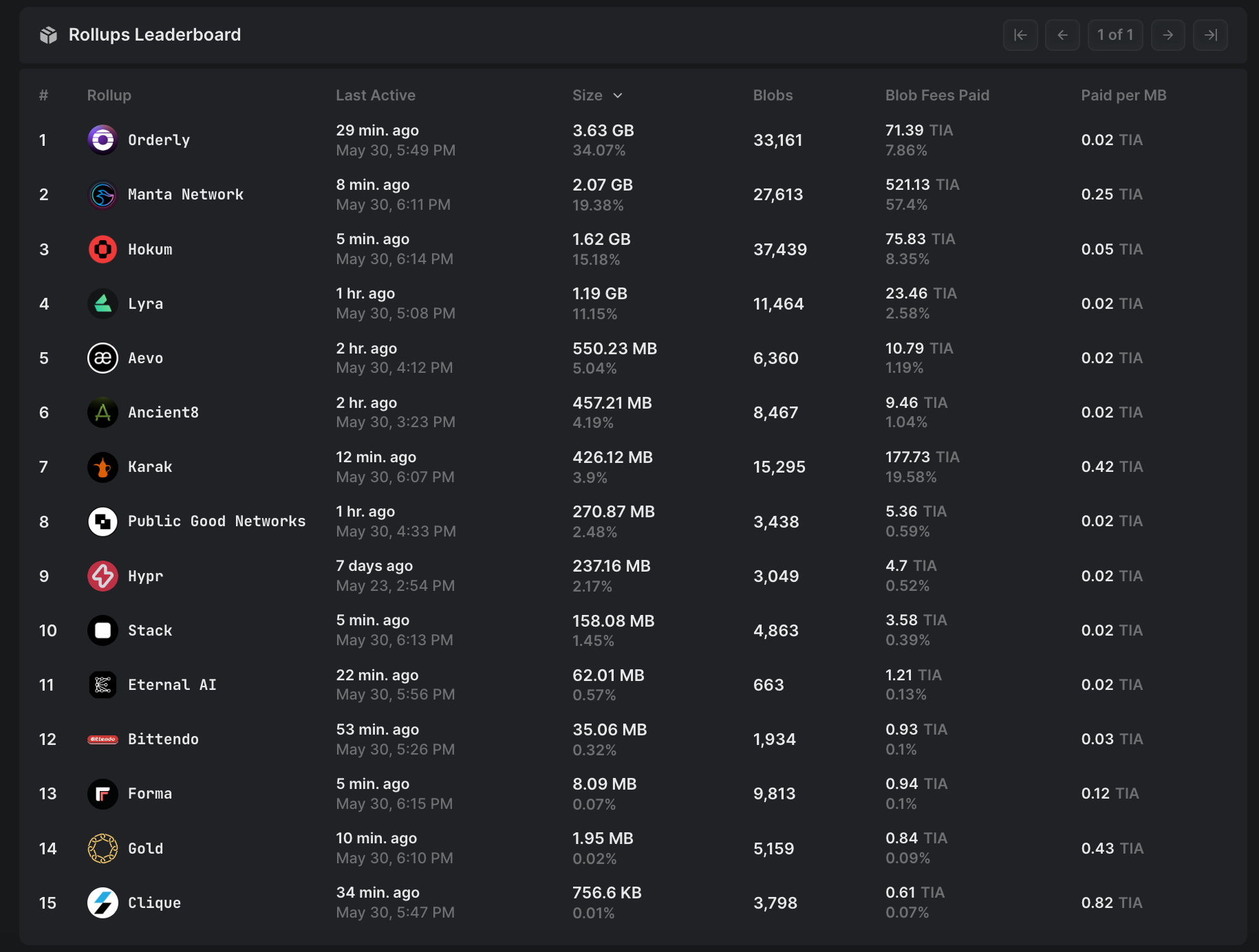
Celestia, the pioneer in decoupling data availability from execution, delivers blocks every 15 seconds via Tendermint consensus, achieving finality in a fraction of EigenDA's time. Current mainnet specs support 8 MB per block, equating to roughly 1.33 MB/s, but ambitious roadmaps target 1 GB blocks, positioning it for explosive growth in EigenDA vs Celestia matchups. Fraud proofs paired with data availability sampling (DAS) ensure integrity without full node downloads, making it a darling for versatile rollup stacks.
Celestia Technical Analysis Chart
Analysis by Market Analyst | Symbol: BINANCE:TIAUSDT | Interval: 1D | Drawings: 6
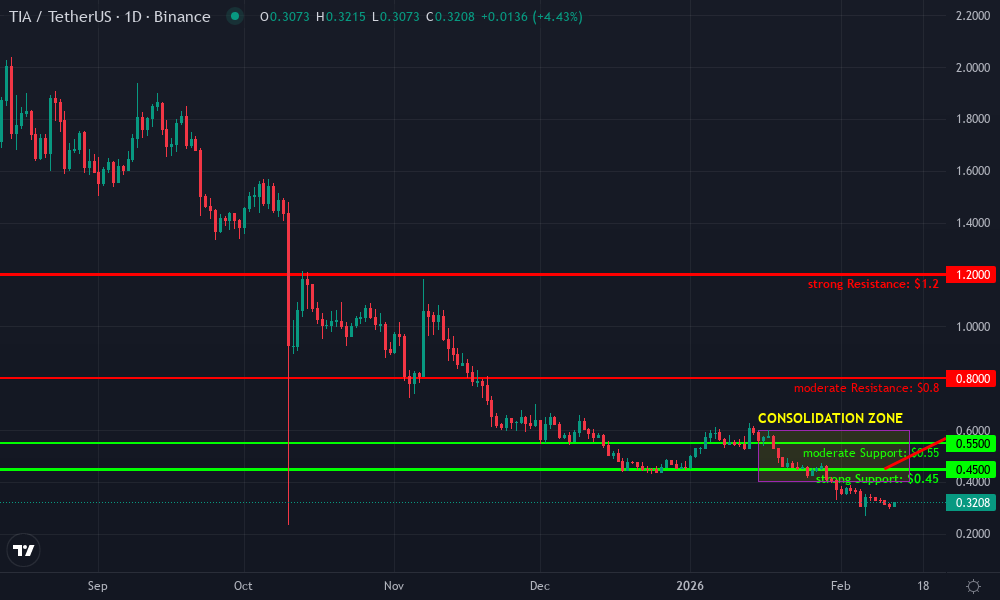
Technical Analysis Summary
Draw a prominent downtrend line from the peak at 2026-10-20 around $2.80 connecting to recent lows near $0.45 by 2026-02-10. Mark strong support at $0.45 with a horizontal line and moderate resistance at $0.80. Add a rectangle for the recent consolidation zone between $0.40-$0.60 from 2026-01-15 to present. Place arrow markers for volume spikes on pullbacks and MACD bearish divergence. Use fib retracement from the major high to low for potential bounce levels at 23.6% ($0.95) and 38.2% ($1.25). Highlight entry zone near support with low risk long if volume confirms.
Risk Assessment: medium
Analysis: Bearish trend intact but oversold with fundamental tailwinds from Celestia's DA advantages; medium tolerance suits scaling positions
Market Analyst's Recommendation: Wait for volume-confirmed bounce from support before longing; avoid shorts in consolidation
Key Support & Resistance Levels
📈 Support Levels:
- $0.45 - Strong multi-touch low with volume cluster strong
- $0.55 - Recent swing low holding current price moderate
📉 Resistance Levels:
- $0.8 - Previous consolidation high acting as cap moderate
- $1.2 - 38.2% fib retracement and prior support turned resistance strong
Trading Zones (medium risk tolerance)
🎯 Entry Zones:
- $0.48 - Bounce from strong support with increasing volume medium risk
- $0.55 - Break above minor uptrend for confirmation low risk
🚪 Exit Zones:
- $0.8 - First resistance target 💰 profit target
- $1.25 - Next fib extension 💰 profit target
- $0.42 - Below strong support invalidation 🛡️ stop loss
Technical Indicators Analysis
📊 Volume Analysis:
Pattern: decreasing on downside, spikes on pullbacks
Bearish divergence as price makes lower lows on fading volume, suggesting exhaustion
📈 MACD Analysis:
Signal: bearish
MACD line below signal with histogram contracting, but nearing zero line for potential crossover
Applied TradingView Drawing Utilities
This chart analysis utilizes the following professional drawing tools:
Disclaimer: This technical analysis by Market Analyst is for educational purposes only and should not be considered as financial advice. Trading involves risk, and you should always do your own research before making investment decisions. Past performance does not guarantee future results. The analysis reflects the author's personal methodology and risk tolerance (medium).
This modular design not only accelerates rollup data availability consensus but also enhances uptime through diversified validator sets, sidestepping single points of failure inherent in committee-based systems. Celestia's interoperability edge allows seamless data mobility across rollups, a boon for ecosystems prioritizing speed over sheer bandwidth.
Throughput and Latency Head-to-Head: Metrics That Matter
When dissecting modular DA solutions 2026, raw numbers reveal trade-offs. EigenDA's 100 MB/s dwarfs Celestia's 1.33 MB/s today, ideal for bandwidth-intensive DeFi or AI workloads. Conversely, Celestia's 15-second finality outpaces EigenDA's quarter-hour lag, critical for real-time apps like social feeds or micropayments.
Uptime reliability further tilts the scales: EigenDA's Ethereum-backed security has logged 99.99% availability, propped by restaking economics, while Celestia's DAS has proven resilient against targeted attacks, with zero major outages since scaling upgrades. For rollup builders, the choice hinges on whether your consensus demands feast on data floods or sprints toward finality.
Architectural divergences amplify these dynamics. EigenDA's DAC streamlines operations but assumes trust in committee operators, mitigated by slashing. Celestia's L1 sovereignty offers purer decentralization, though it demands more from validators. As both evolve, hybrid strategies blending their strengths could dominate rollup data availability consensus optimizations.
Restaking economics underpin EigenDA's appeal, with over $335 million in assets securing DA services and aligning incentives through blockchain availability rewards. This model has driven impressive uptime, but developers must scrutinize the trade-offs in trust minimization versus operational efficiency. Celestia's path, rooted in sovereign consensus, prioritizes permissionless participation, fostering a broader validator pool that has weathered network stresses without incident.
Uptime Under the Microscope: Real-World Resilience
In 2026, DA layer uptime isn't just a metric; it's the bedrock of rollup confidence. EigenDA's committee structure, while efficient, faced a brief 0.01% downtime during a January surge in data demands, swiftly resolved via slashing protocols. Celestia, leveraging DAS, maintained flawless availability through the same period, its Tendermint core proving battle-tested against spam attacks. These incidents underscore how architecture dictates recovery speed, with Celestia's design enabling sub-minute resolutions compared to EigenDA's Ethereum-tied delays.
EigenDA vs Celestia Uptime Metrics (2026)
| Metric | EigenDA | Celestia |
|---|---|---|
| Availability SLA | 99.99% | 99.99% |
| 2026 YTD Uptime | 99.995% | 99.997% ⏱️ |
| Avg. Outage Duration | 4.2 min | 3.1 min |
| Max. Outage Duration | 28 min | 19 min |
| Mean Recovery Time (MTTR) | 2.8 min | 1.9 min ⏱️ |
| Security Backstops | Ethereum Restaking (>$335M TVL) 🔒 | Fraud Proofs & DAS ✅ |
Security models further differentiate reliability. EigenDA inherits Ethereum's economic finality, backed by restaked ETH that deters malice, yet the DAC introduces operator risks. Celestia's fraud proofs and sampling democratize verification, reducing reliance on any single entity and enhancing long-term rollup data availability consensus.
Strategic Choices for Rollup Builders: A Decision Framework
Optimizing for 2026 demands a nuanced lens on use cases. High-throughput rollups in gaming or perpetuals favor EigenDA's bandwidth, accepting latency for volume. Speed-critical apps, from social dApps to instant settlements, lean toward Celestia's finality, especially as 1 GB blocks loom on the horizon.
EigenDA vs Celestia: Key Factors
- Throughput Needs: EigenDA achieves 100 MB/s on mainnet for high-data apps; Celestia at 1.33 MB/s (8 MB blocks), scaling to 1 GB planned.
- Finality Speed: EigenDA inherits Ethereum's 12-15 minutes; Celestia offers fast 15-second Tendermint finality for quicker rollup consensus.
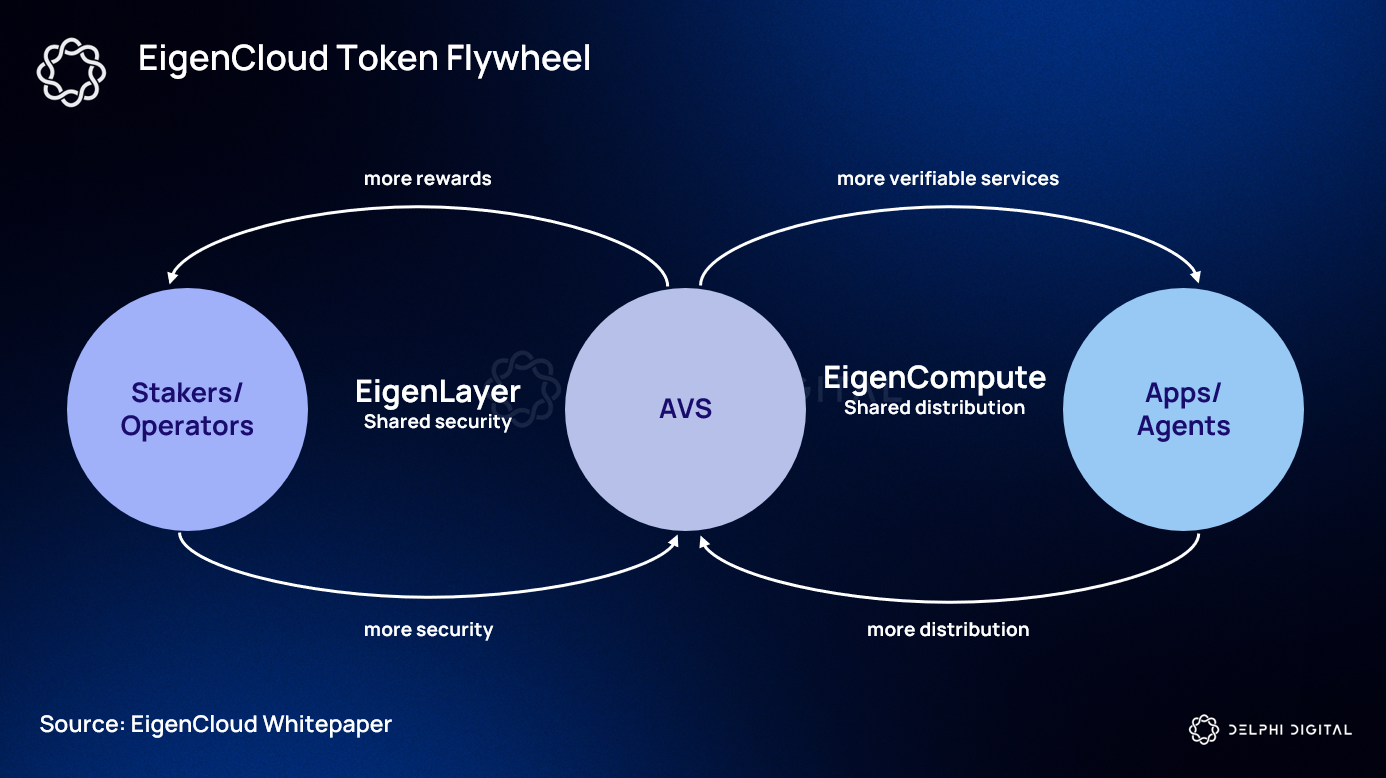
- Decentralization Level: Celestia as sovereign L1 with fraud proofs & DAS; EigenDA as DAC leveraging Ethereum restaking ($335M assets).
- Cost per MB: Celestia enables up to 100x cost reduction for L2 rollups vs Ethereum; EigenDA benefits from restaking economics (specifics evolving).
- Integration Ease for Rollups: Celestia excels in modular interoperability & rollup mobility; EigenDA suits Ethereum-aligned rollups with high-throughput needs.
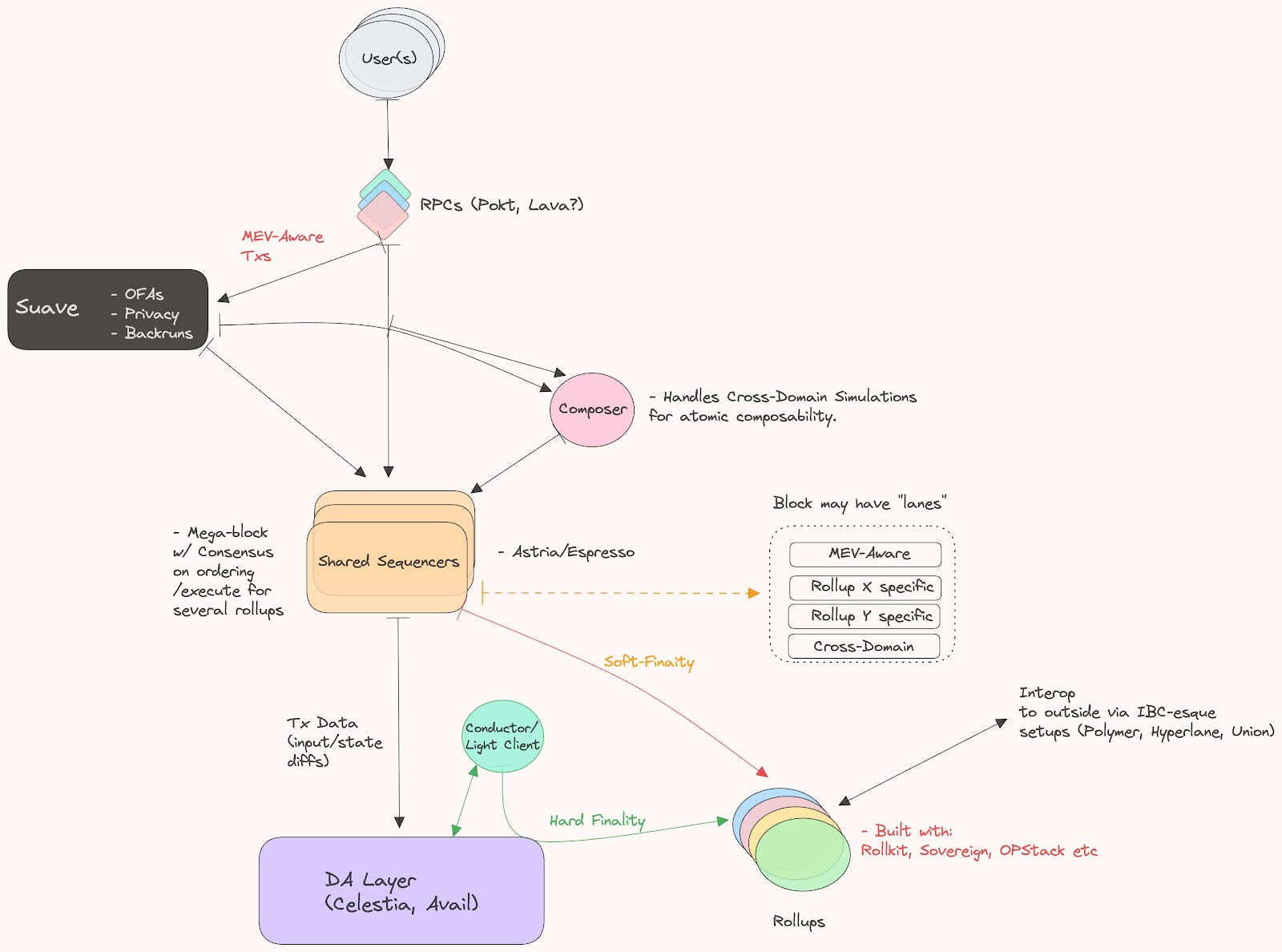
Cost dynamics tilt toward Celestia today, with fees under $0.01 per MB via DAS efficiency, versus EigenDA's variable operator bids. Integration matters too: EigenDA slots neatly into Ethereum stacks via restaking primitives, while Celestia excels in multi-chain sovereignty, as detailed in this comparison.
From a capital markets vantage, where I cut my teeth analyzing fixed income risks, EigenDA's restaking mirrors collateralized debt obligations - robust yet exposed to correlated failures. Celestia's modularity evokes diversified bond ladders, spreading risk across layers. Rollups blending both, perhaps via EigenDA for bulk data and Celestia for hot paths, could yield hybrid supremacy in modular DA solutions 2026.
Looking ahead, EigenDA's roadmap eyes sub-minute finality through operator optimizations, closing the gap on Celestia. Meanwhile, Celestia's Blobstream upgrades promise Ethereum bridging at scale, amplifying EigenDA vs Celestia interoperability. Rollup teams should monitor these trajectories, prioritizing uptime audits and pilot integrations to future-proof consensus engines.
Ultimately, the optimal DA layer aligns with your rollup's pulse: EigenDA for data deluges, Celestia for velocity. As modular ecosystems mature, this rivalry sharpens innovation, delivering scalable, secure foundations for blockchain's next era.




No comments yet. Be the first to share your thoughts!