

In the cutthroat world of Ethereum L2 scaling, where every byte counts toward your rollup's success, data availability layers like EigenDA and Celestia are locked in a fierce battle. With ETH trading at $2,070.15 amid a 5.79% 24-hour surge, L2 builders face a pivotal choice: EigenDA's blistering 100 MB/s throughput tied to Ethereum's restaking muscle, or Celestia's nimble modular design promising 1 GB blocks down the line. This isn't just tech talk; it's about slashing your largest variable cost while keeping data verifiable for fraud proofs. Let's break it down for 2026 builders chasing modular DA layers that actually deliver.
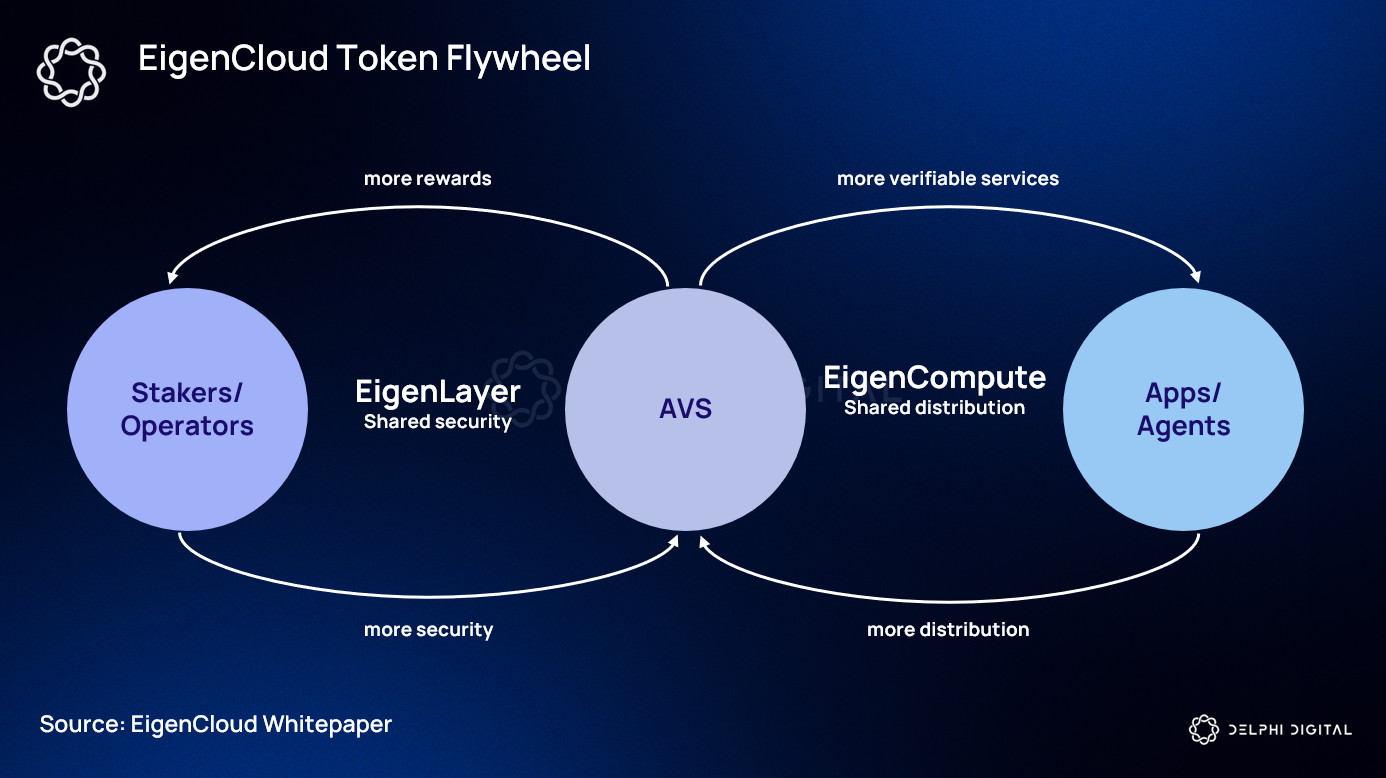
Ethereum L2s have exploded, but posting transaction data off-chain is the bottleneck. EigenDA leverages EigenLayer's restaking to hit high speeds without spinning up its own chain, while Celestia runs a dedicated blockchain for DA, using data availability sampling to let light nodes verify massive blocks efficiently. Both aim to undercut Ethereum blobs, but their paths diverge sharply.
Throughput Throwdown: Speed Demons for High-TPS Rollups
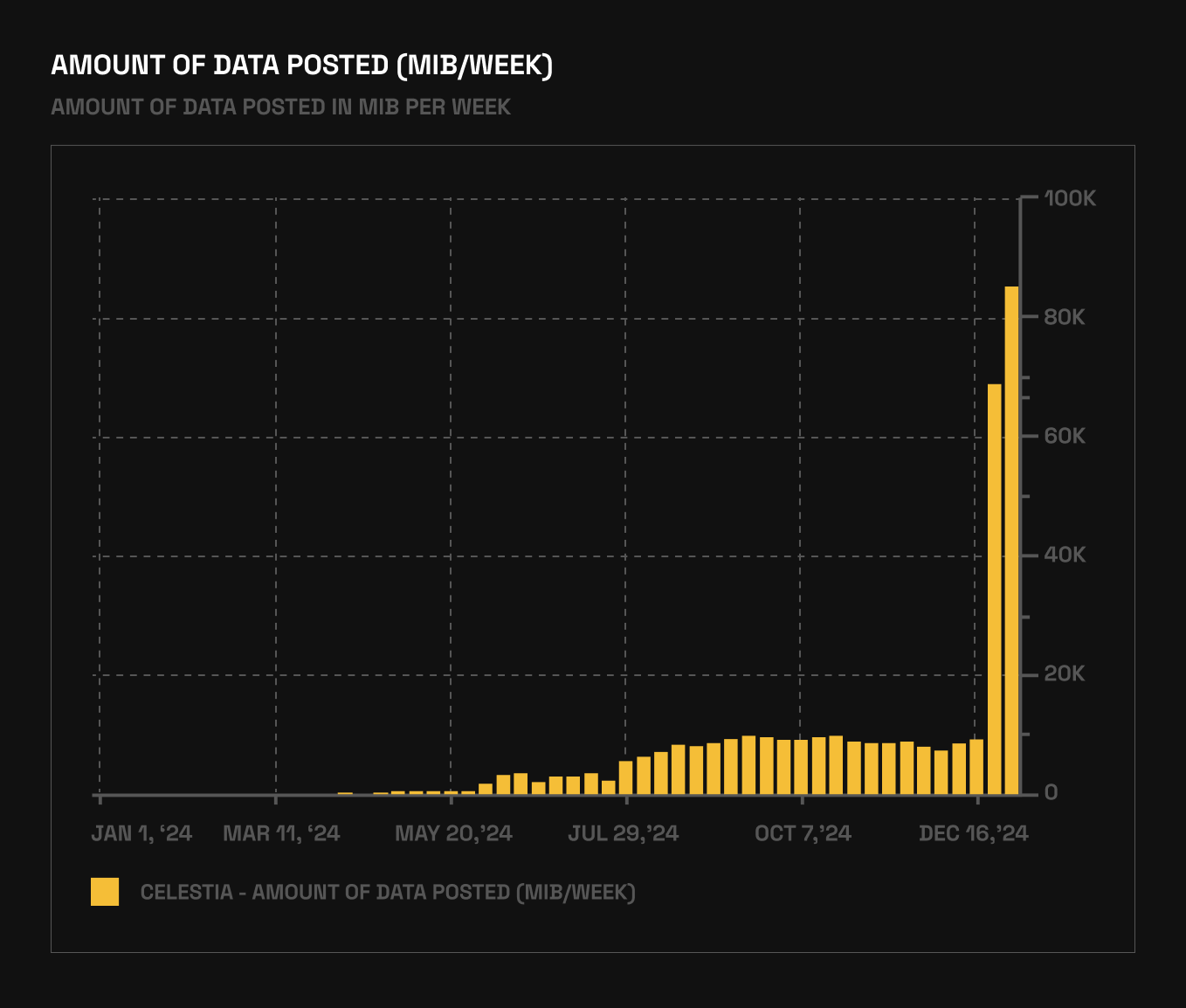
EigenDA pulls ahead today with 100 MB/s throughput, perfect for gaming rollups or orderbook DEXes craving low-latency data posts. Celestia mainnet sits at 8 MB per block, but roadmaps point to 1 GB scaling by late 2026, closing the gap while preserving public verifiability. If you're building a high-frequency app, EigenDA's reserved bandwidth model locks in that speed with a fixed annual fee, dodging spot market volatility.
Celestia rollup integration shines for projects okay with initial limits, as DAS lets anyone sample proofs without full downloads. BlockEden predicts Celestia's throughput matching EigenDA by year-end, but only if validator sets hold up. For now, EigenDA wins the raw speed race, aligning throughput directly with Ethereum L2 demands.
EigenDA vs Celestia Throughput and Key Metrics Comparison (2026)
| Metric | EigenDA | Celestia | Avail (Context) |
|---|---|---|---|
| Throughput | 100 MB/s | 8 MB/block (scaling to 1 GB) | Lower, but highly decentralized |
| Finality Latency | ~12 minutes | ~15 seconds | N/A |
| Security Model | Ethereum restaking (leverages ETH validators) | Independent validators + DAS (public verifiability) | Highest decentralization among DA layers |
| Economic Model | Reserved Bandwidth (fixed annual fee, predictable pricing) | TIA token (55x cheaper than ETH blobs) | N/A |
| Architecture | DAC on EigenLayer (no own blockchain) | Standalone modular DA blockchain | N/A |
Economic Edges: Fixed Fees vs Token-Powered Savings
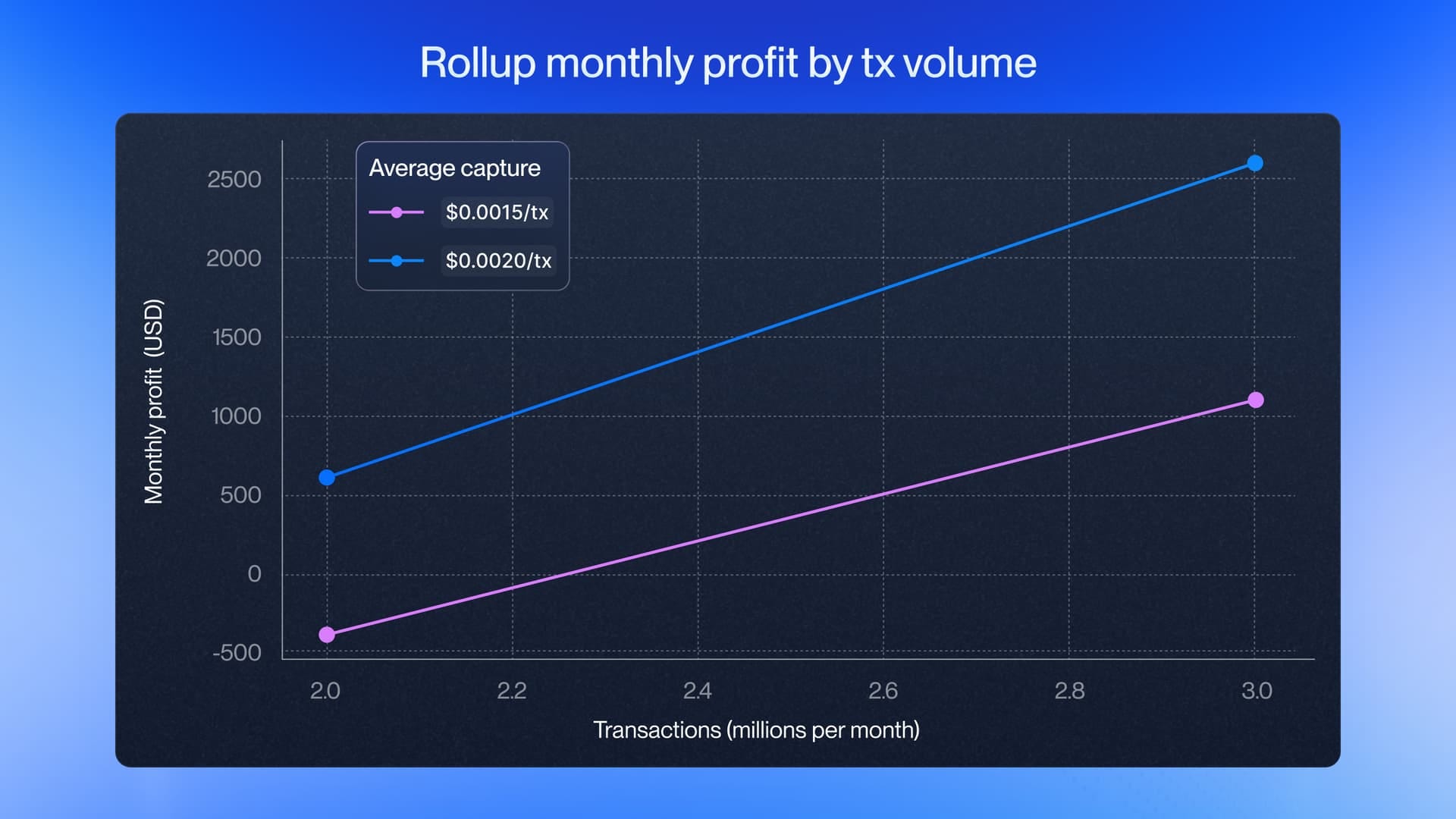
Costs make or break adoption. EigenDA's 'Reserved Bandwidth' flips the script: pay upfront for guaranteed throughput, ideal for enterprise L2s forecasting traffic. No surprises, just predictable ops costs tied to Ethereum security. Celestia, powered by TIA, boasts DA sampling 55x cheaper than ETH blobs in early 2025 metrics, with market dynamics driving fees down as capacity grows.
For budget-conscious builders, Celestia's model scales with usage, but spikes during congestion could bite. EigenLayer DA solutions offer restaking yields as a bonus, letting operators earn while securing data. In a modular DA showdown, EigenDA suits stable budgeting, Celestia rewards volume plays. Check TIA's trajectory against ETH's climb for long-term bets.
Ethereum (ETH) Price Prediction 2027-2032: DA Layers Impact on L2 Scaling
Predictions factoring in EigenDA vs Celestia advancements for Ethereum L2 builders, boosting scalability and adoption
| Year | Minimum Price | Average Price | Maximum Price | YoY % Change (Avg) |
|---|---|---|---|---|
| 2027 | $2,200 | $3,800 | +83.6% | |
| 2028 | $2,800 | $5,500 | +44.7% | |
| 2029 | $3,500 | $8,000 | +45.5% | |
| 2030 | $4,500 | $11,500 | +43.8% | |
| 2031 | $6,000 | $16,000 | +39.1% | |
| 2032 | $8,000 | $22,000 | +37.5% |
Price Prediction Summary
ETH is poised for significant growth from 2027-2032, driven by Data Availability (DA) innovations like EigenDA's high-throughput restaking security and Celestia's cost-efficient modular scaling. L2 adoption will surge, increasing ETH demand as the settlement layer. Bearish mins reflect market corrections; bullish maxes assume full modular dominance. Average prices project a 5x rise by 2032 from 2026's $2,070 baseline.
Key Factors Affecting Ethereum Price
- L2 cost reductions via EigenDA (100 MB/s throughput, reserved bandwidth) and Celestia (55x cheaper than ETH blobs, 15s finality)
- Massive TVL growth in Ethereum ecosystem from modular DA wars
- Ethereum restaking enhancing security without new validators
- Market cycles with 2028-2029 bull run potential post-BTC halving
- Regulatory tailwinds for scaling solutions
- Competition from Avail but ETH-centric wins for L2 builders
Disclaimer: Cryptocurrency price predictions are speculative and based on current market analysis. Actual prices may vary significantly due to market volatility, regulatory changes, and other factors. Always do your own research before making investment decisions.
Security Showdown: Restaking Reliance vs Sovereign Sampling
Trust is non-negotiable. EigenDA anchors to Ethereum's 30k and validator set via restaking, inheriting battle-tested security without new chains to bootstrap. Finality hits in 12 minutes, synced to ETH slots. Celestia fields its own validators with DAS for lightweight verification, clocking 15-second finality that's a game-changer for UX.
Critics flag EigenDA's DAC trust assumptions, but Ethereum alignment mitigates that. Celestia's independence risks centralization if light node adoption lags. For Ethereum L2 builders, EigenDA feels like home turf; Celestia demands trusting a parallel ecosystem. Both evolve, but in 2026's data availability Ethereum L2 landscape, hybrid restaking edges out for risk-averse teams.


Architecture Angle: Committee Efficiency vs Blockchain Sovereignty
EigenDA skips the full-chain overhead, running as a lean Data Availability Committee on EigenLayer's restaking protocol. No bootstrapping validators from scratch; it taps Ethereum's muscle directly for commitments. Celestia, true modular purist, spins a sovereign chain laser-focused on DA, decoupling consensus from execution so rollups plug in seamlessly. Celestia rollup integration feels plug-and-play for devs eyeing custom VMs, but EigenDA's Ethereum tether means zero context-switching for L2 teams already in the ecosystem.
Avail lurks as a decentralized wildcard in modular DA layers 2026 talks, but for pure Ethereum L2 focus, EigenDA's architecture minimizes attack surfaces by avoiding new tokenomics wars. Celestia's DAS magic scales verification, yet demands light node buy-in to dodge data withholding risks. Hands down, if your rollup settles on ETH, EigenDA's simplicity crushes deployment friction.
EigenDA vs Celestia: Key Pros/Cons
- EigenDA Pro: Blazing 100 MB/s throughput for high-frequency L2 apps like gaming.
- Celestia Pro: Ultra-fast 15-second finality for quick L2 confirmations.
- EigenDA Pro: Reserved bandwidth model with fixed annual fees for predictable costs.
- Celestia Pro: DA costs 55x cheaper than Ethereum blobs – massive savings.
- EigenDA Pro: Leverages Ethereum restaking for proven validator security.
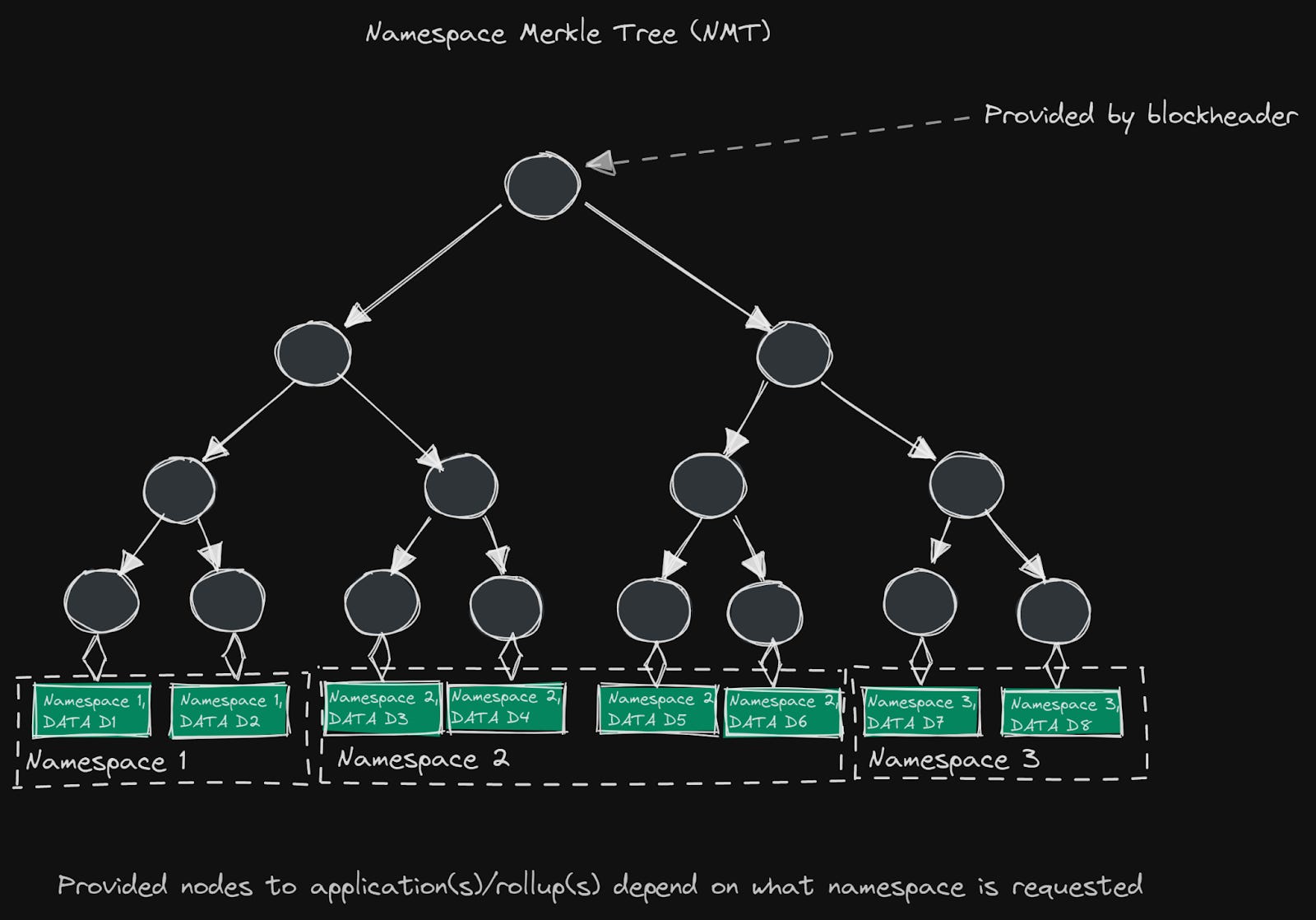
- Celestia Pro: Data Availability Sampling (DAS) enables scalable light nodes.
- EigenDA Note: DAC architecture ties to Ethereum's 12-min finality.
- Celestia Note: Sovereign chain with current 8 MB/block (scaling to 1 GB).

Finality Factors: Ethereum Sync vs Lightning Confirmations
Latency kills user vibes. EigenDA's 12-minute finality mirrors Ethereum's cadence, rock-solid for fraud-proof windows without rushing security. Celestia's 15-second DA stamps scream speed, juicing DeFi front-runs or social apps where seconds count. But fast finality trades sovereignty; Celestia's crew must prove uptime, while EigenDA rides ETH's coattails.
For high-value L2s like perpetuals exchanges, EigenDA's deliberate pace builds trust. Gaming rollups? Celestia's zip wins. In 2026's data availability Ethereum L2 arena, blend your TPS needs with risk tolerance, don't chase speed at security's expense.
EigenDA vs Celestia: Finality, Throughput, and Cost Metrics (2026)
| Metric | EigenDA | Celestia |
|---|---|---|
| Finality Latency ⚡ | ~12 minutes (Ethereum-aligned) | ~15 seconds |
| Throughput 📊 | 100 MB/s | 8 MB/block (scaling to 1 GB blocks, competitive by end-2026) |
| Cost Model 💰 | Reserved Bandwidth (fixed annual fee, predictable) | TIA token (55x cheaper than Ethereum blobs) |
| Security 🛡️ | Ethereum validator set via restaking | Independent validators + DAS (public verifiability) |
Builder Breakdown: Match Your Rollup to the Right DA
Gaming or orderbook? EigenDA's 100 MB/s and reserved slots handle bursty loads without hiccups. DeFi with steady volume? Celestia's TIA-fueled economics and DAS scale cheaper as adoption swells. Enterprise pilots love EigenDA's fixed fees; moonshot protocols bet on Celestia's 1 GB horizon.
EigenLayer DA solutions shine for restaking yield chasers, turning DA posts into passive income streams. Celestia tempts with ecosystem grants, but Ethereum gravity pulls most L2s toward EigenDA. Modular DA layers 2026 will fragment further, yet Ethereum L2 builders win by sticking close to home base.
Avail's decentralization pitch intrigues, but lacks EigenDA's throughput punch or Celestia's maturity. BlockEden's wars forecast Celestia catching up, but restaking's flywheel keeps EigenDA dominant for ETH loyalists. With ETH at $2,070.15, L2 TVL swells, pick DA that amplifies, not anchors, your edge.
Interop looms large too. EigenDA slots into rollups via simple restaking hooks, while Celestia demands namespace configs. Tools mature fast, both support OP Stack and ZK variants by now. Testnets scream reliability; mainnet migrations favor EigenDA's battle scars.
Zoom out: modular stacks thrive when DA offloads Ethereum's blob squeeze. EigenDA fortifies the castle; Celestia builds new wings. For 2026 L2s eyeing 10k and TPS, hybrid plays emerge, sample Celestia for bursts, restake core data on EigenDA. Data calls the shots; code your stack accordingly.




No comments yet. Be the first to share your thoughts!