

Optimistic rollups have redefined layer-2 scaling by posting transaction data to Ethereum, but as transaction volumes surge, the calldata bottleneck exposes a harsh reality: Ethereum’s DA costs are skyrocketing. Enter EigenDA, a modular data availability layer that offloads this burden, delivering hyperscale throughput at fractions of the cost. Built on EigenLayer’s restaking security, EigenDA powers networks like Mantle, blending optimistic execution with off-chain data storage for seamless scalability. Recent integrations, such as the OP Stack fork, underscore its maturity, enabling rollups to process larger blocks without sacrificing finality.
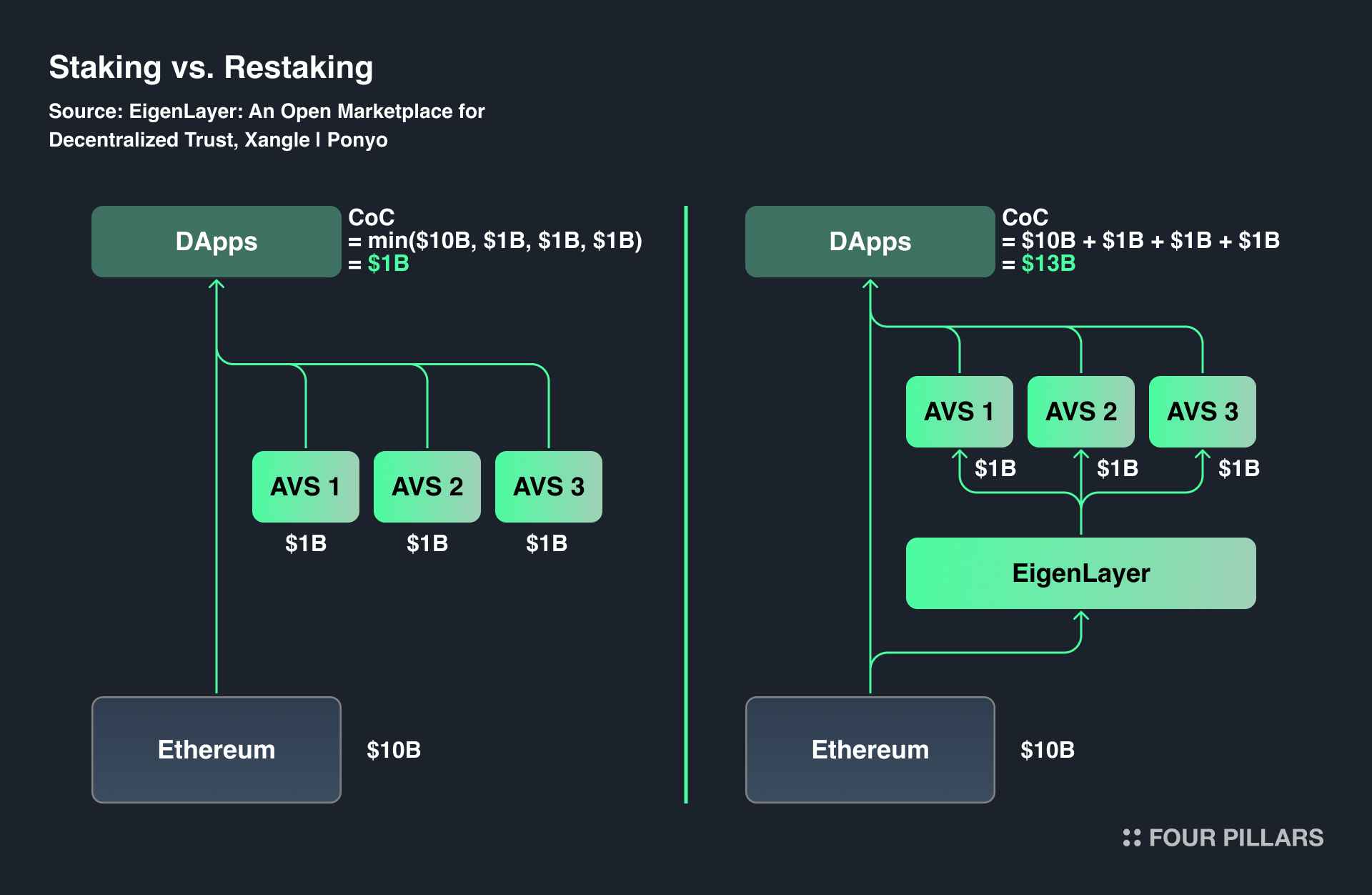
EigenDA’s architecture shines in the modular DA wars against rivals like Celestia and Avail. Unlike Celestia’s sovereign DA, which demands new token economics, EigenDA leverages Ethereum-aligned restaking, inheriting ETH’s security model. Data from BlockEden. xyz highlights EigenDA’s edge in operator diversity and customizable erasure coding, allowing rollups to fine-tune safety-liveness tradeoffs. For optimistic rollups, this means posting blobs to EigenDA instead of Ethereum calldata, slashing fees by up to 90% per EigenCloud benchmarks while maintaining fraud-proof verifiability.
EigenDA’s Edge Over Traditional DA for Optimistic Rollups
Optimistic rollups thrive on EVM compatibility and rapid iteration, advantages ZK rollups struggle to match despite their privacy perks, as noted in MEXC’s 2026 predictions. EigenDA amplifies these strengths by providing a dedicated DA market via its RaaS platform, per Gate. com analysis. Rollups like Mantle demonstrate real-world impact: combining OP execution with EigenDA yields sub-second confirmations at high TPS, outpacing Ethereum L1 by orders of magnitude.
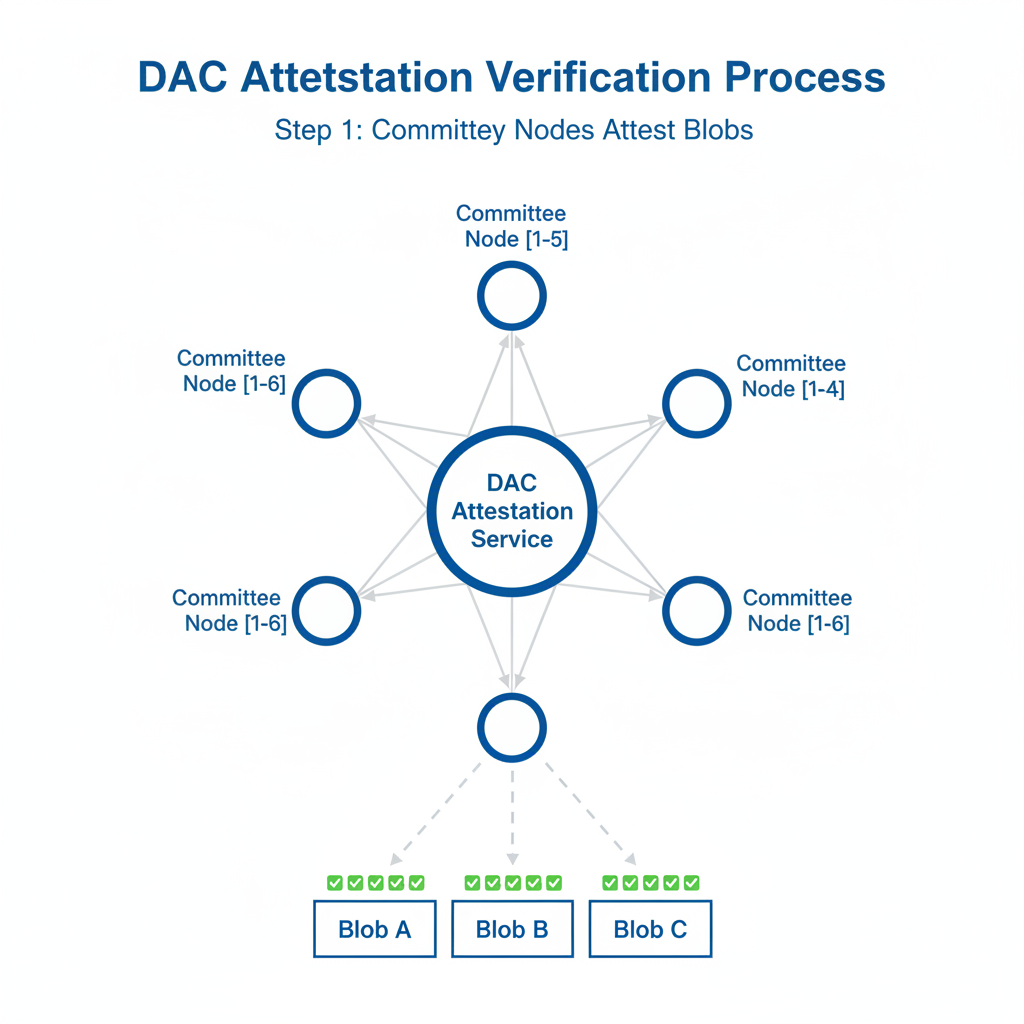
The Data Availability Committee (DAC) model underpins this reliability. Operators attest to data availability, backed by slashing economics, ensuring integrity without on-chain reconstruction. ChainScore Labs’ integration services validate this, stress-testing for target TPS while auditing blob derivations. In my view, this restaking-native approach positions EigenDA as the pragmatic choice for developers prioritizing ecosystem growth over theoretical finality.
Streamlining Integration via EigenDA Proxy
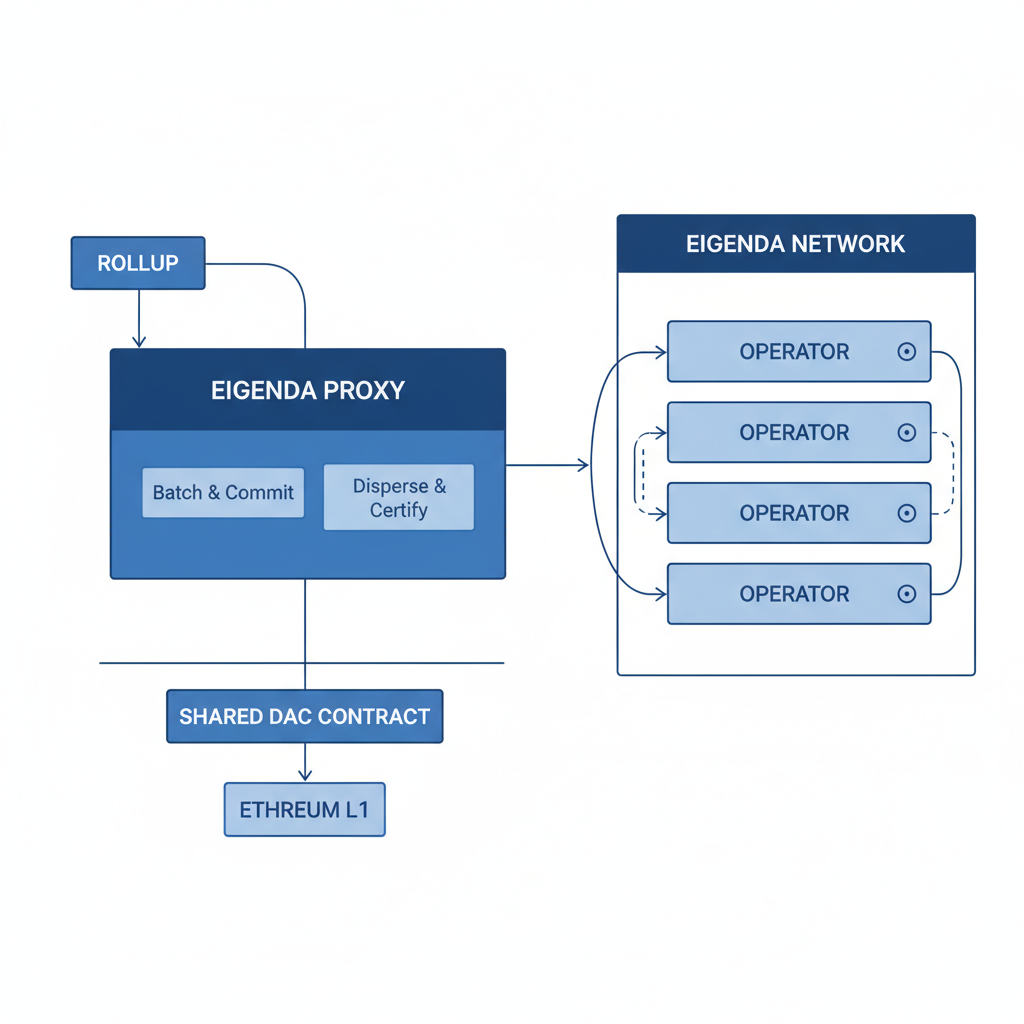
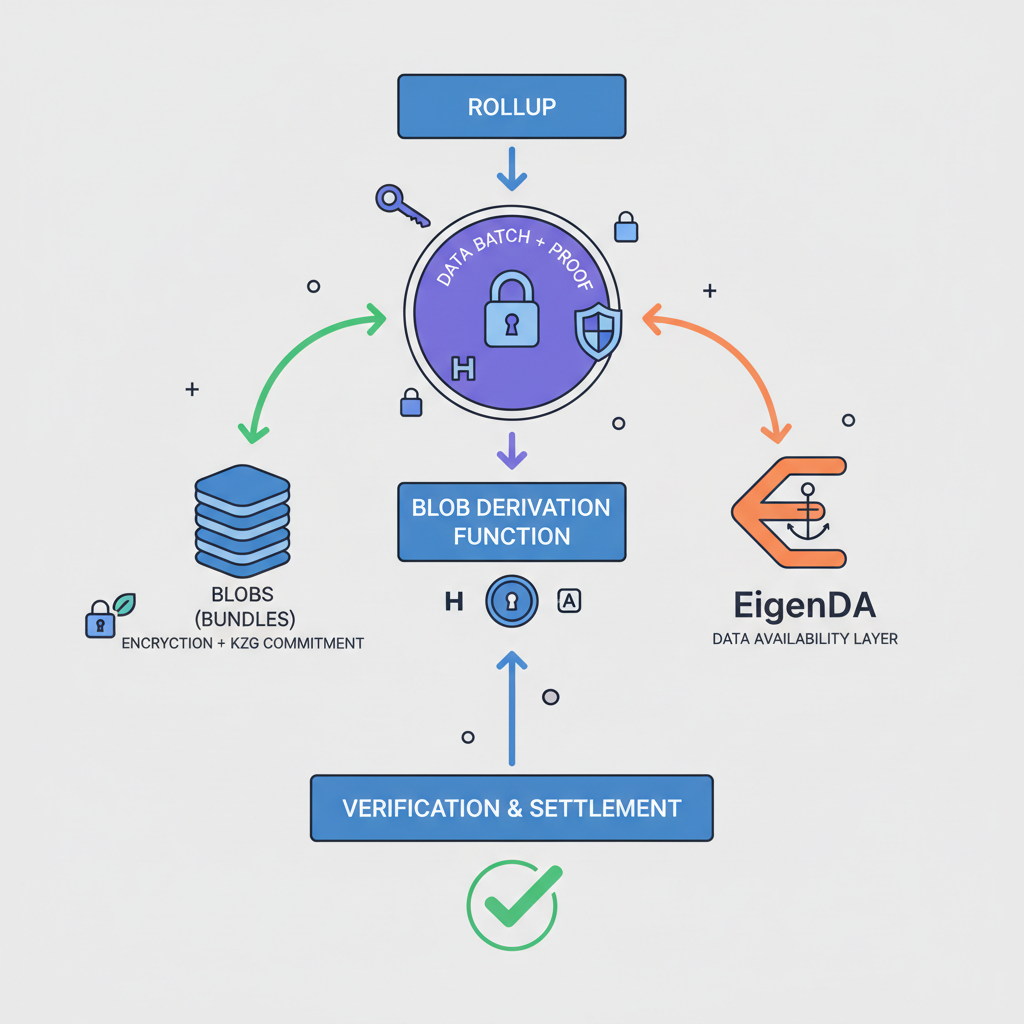
The journey begins with the EigenDA Proxy, a RESTful gateway that abstracts network complexities. This proxy handles payload submission, data retrieval, and verification, requiring minimal rollup modifications. Developers submit batched transactions as blobs; the proxy encodes them with Reed-Solomon and disperses shares to operators. Confirmations now clock in at ten seconds, a leap from prior ten-minute latencies, thanks to v2 optimizations in certificate aggregation.
Configuring the proxy involves setting endpoints in your rollup’s sequencer config. For OP Stack users, the EigenCloud fork patches node and sequencer components natively, supporting larger L2 blocks. This plug-and-play reduces deployment barriers, aligning with RaaS trends outlined by Zeeve. Early adopters report 5x cost reductions, with Mantle’s modular design as empirical proof.
Building a Secure Integration Framework
Beyond the proxy, secure EigenDA integration demands careful consensus layering. Decide on-chain vs off-chain components: typically, sequencers post to proxy off-chain, while verifiers sample attestations on-chain. Layr-Labs’ spec emphasizes blob derivation security, recommending threshold signatures for operator attestations. This framework lets rollups tailor proving systems, preserving optimistic assumptions.
EigenDA’s modularity extends to staking modalities and payment tokens, per its intro docs. Developers can opt for ETH restaking or native tokens, optimizing capital efficiency. Rigorous testing follows: load simulations hit 10k TPS targets, with security audits covering proxy-bridge interactions. As OP Stack’s independent deployability scales third-party rollups, EigenDA ensures DA doesn’t lag, fostering a vibrant modular ecosystem.
Real-world deployments like Mantle Network exemplify EigenDA’s prowess, marrying optimistic rollups with off-chain DA storage for modular efficiency. Mantle’s backbone assumes transaction validity upfront, deferring verifications, while EigenDA handles data posting at scale. This setup delivers high TPS without Ethereum’s calldata squeeze, positioning it as a top L2 contender per CoinTracker’s rankings.
Leveraging OP Stack Fork for Seamless Deployment
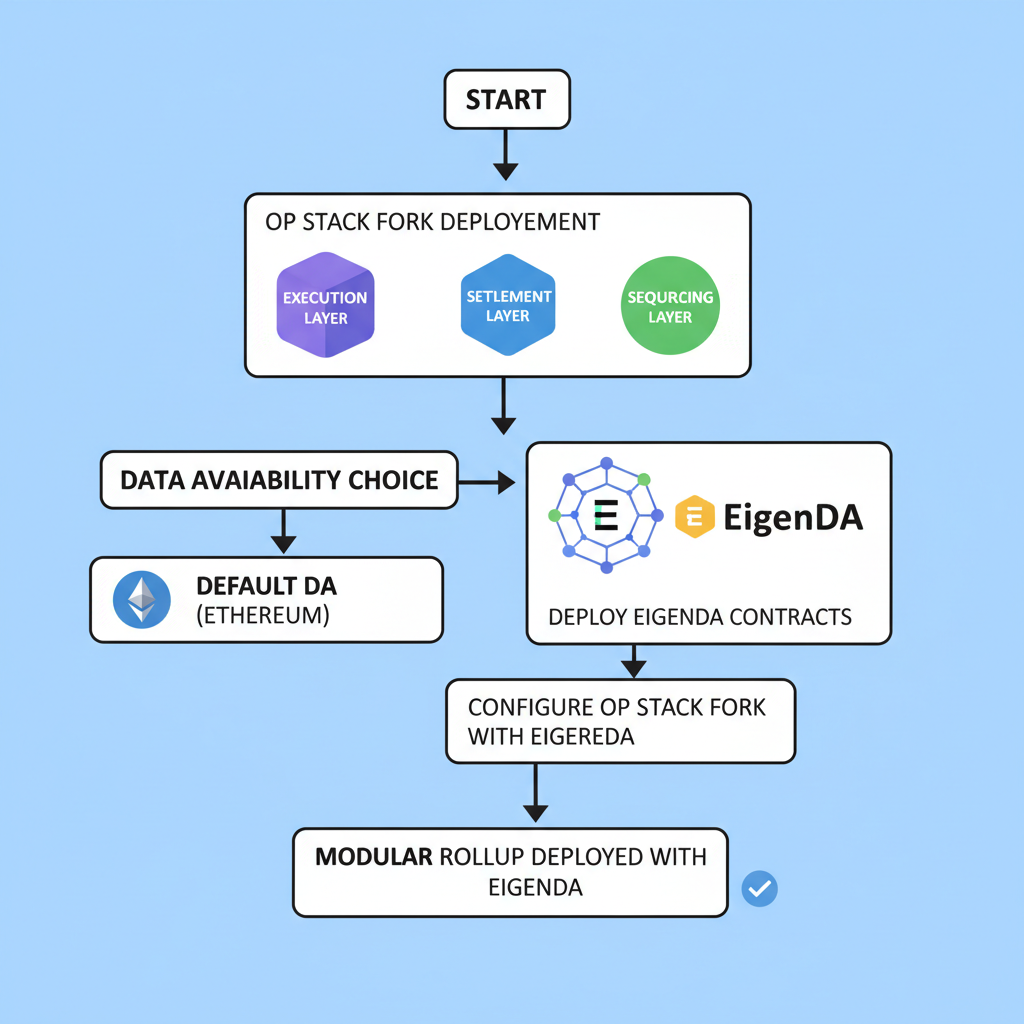
For developers wielding the OP Stack, EigenDA’s dedicated fork streamlines everything. This modified version tweaks node and sequencer logic to interface directly with EigenDA, accommodating beefier L2 blocks and slashing DA expenses without inflating finality windows. EigenCloud’s announcement details how sequencers now dispatch blobs via the proxy, operators disperse shares, and verifiers poll attestations on-chain. Benchmarks show throughput jumps of 4-5x over vanilla Ethereum DA, critical as rollup volumes climb toward 2026 projections from Codezeros.
Deployment boils down to forking the repo, swapping endpoint configs, and running smoke tests. No need for custom bridges; the integration bakes in blob sampling for fraud proofs. This RaaS-aligned approach, as dissected by Zeeve, lowers barriers for third-party rollups, accelerating ecosystem sprawl. Mantle’s success – blending OP execution with EigenDA – posts transaction data off-chain yet keeps everything fraud-proof verifiable, a blueprint for modular L2s.
EigenDA Integration Blueprint: Scale OP Rollups with Precision
Guaranteeing Data Availability with DAC and Restaking
Security hinges on EigenDA’s DAC framework, where diverse operators stake via EigenLayer restaking to attest data availability. Slashing enforces honesty; no data, no rewards. This Ethereum-secured model sidesteps sovereign DA pitfalls, like Celestia’s token silos, per BlockEden’s modular wars breakdown. Rollups query DAC certificates on-chain, sampling shares for reconstruction if disputes arise – optimistic by design.
EigenLayer’s restaking injects economic heft: over $10B TVL secures operators, dwarfing rivals’ nascent committees. For optimistic rollups, this means leaner fraud proofs; verifiers challenge only suspicious states, relying on EigenDA attestations for bulk DA. ChainScore Labs’ audits confirm robustness, with load tests pegging 10k and TPS under stress. My take: this fusion crushes ZK rollups’ proving overheads, especially for EVM-centric apps eyeing 2026 growth.
Performance Tuning and Future-Proofing Integrations
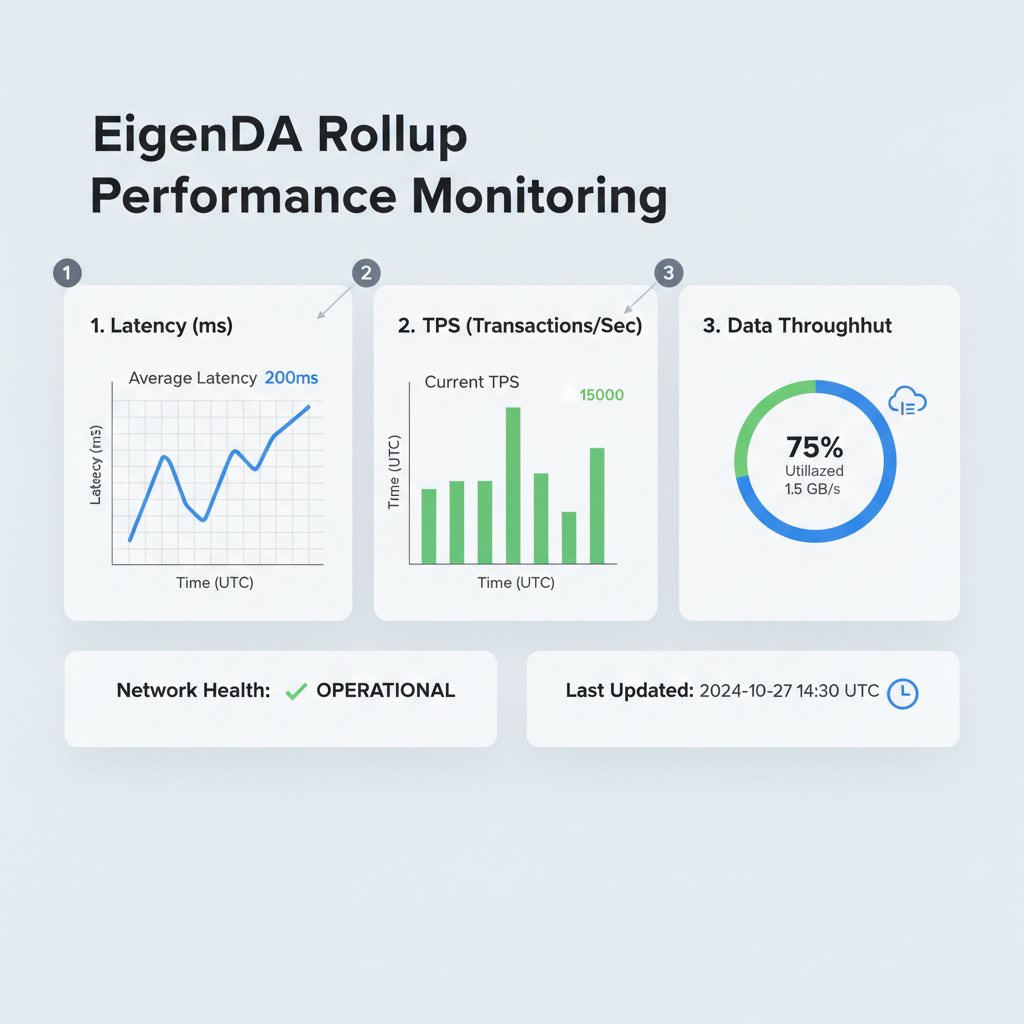
EigenDA v2 slashed confirmation latencies to 10 seconds via optimized aggregation, per EigenCloud updates. Rollups monitor via dashboards tracking blob sizes, operator uptime (99.9% SLA targets), and cost per MB – often under $0.01, versus Ethereum’s spikes. Best practices include redundant proxy deploys, threshold sigs for attestations, and hybrid DA fallbacks during volatility.
In the RaaS market, EigenDA accelerates rollup spins via Gate. com’s playbook: plug in, test, launch. As modular DA heats up, its customizable params – erasure rates, token payments – let rollups dial in risk profiles. Optimistic rollups gain most here, retaining speed and compatibility while offloading DA woes. Expect wider adoption as OP Stack forks proliferate, cementing EigenDA as the data availability rollups standard for scalable, secure modular chains.
About the Author