

Fully Homomorphic Encryption (FHE) has long been considered the "holy grail" of cryptography. Its ability to enable computations on encrypted data without ever exposing the underlying information is now transforming how modular Data Availability (DA) layers approach privacy and scalability. As blockchains shift from monolithic to modular architectures, the integration of FHE is emerging as a strategic lever for both security and efficiency, unlocking new frontiers for decentralized applications and confidential smart contracts.
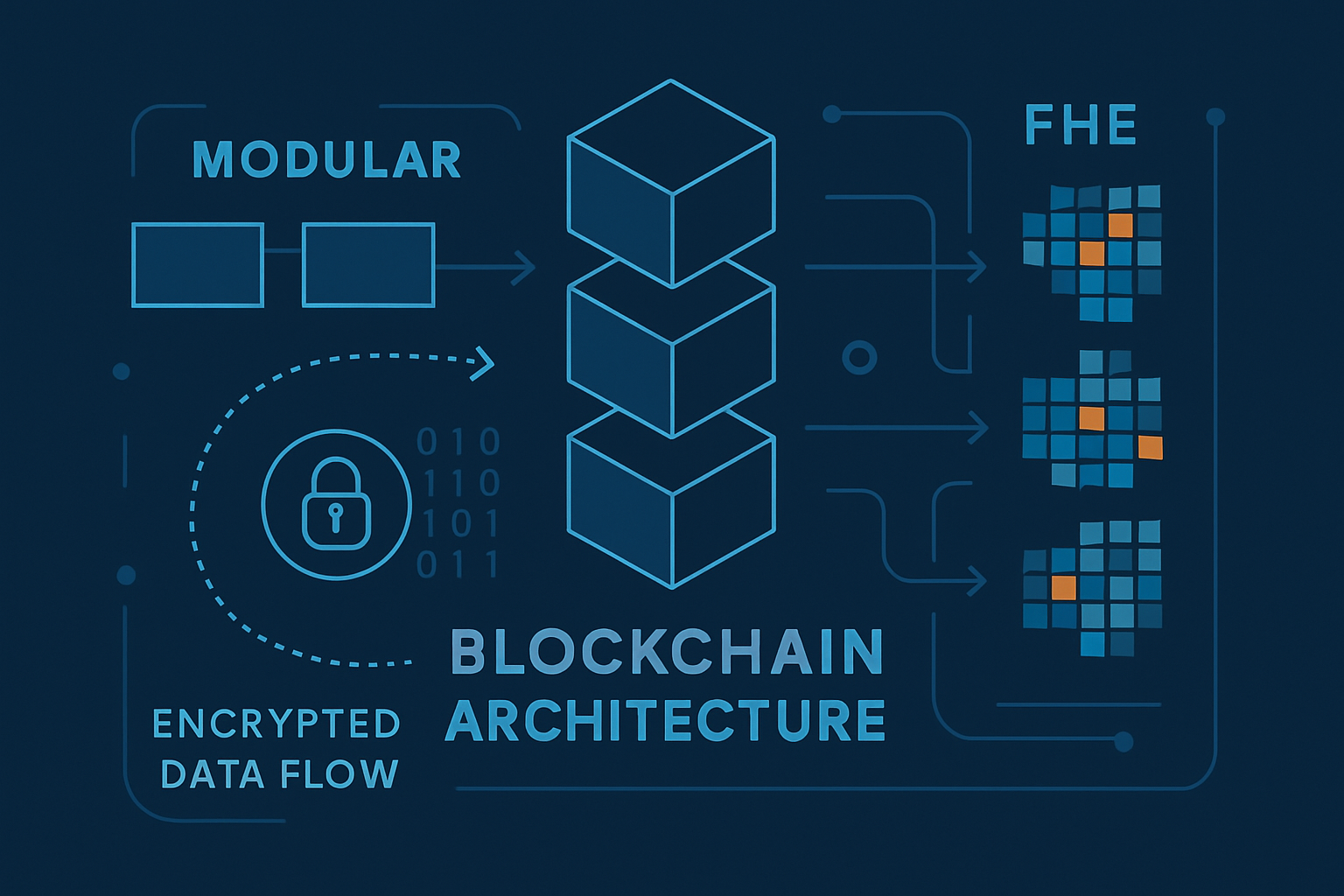
What Makes FHE a Game Changer for Modular DA Layers?
At its core, FHE allows data to remain encrypted throughout its lifecycle, during storage, transmission, and even computation. This is a fundamental shift from traditional cryptographic methods, which require data to be decrypted before processing. In the context of modular DA layers, which are responsible for making transaction data accessible and verifiable to the entire network, FHE introduces two essential advantages:
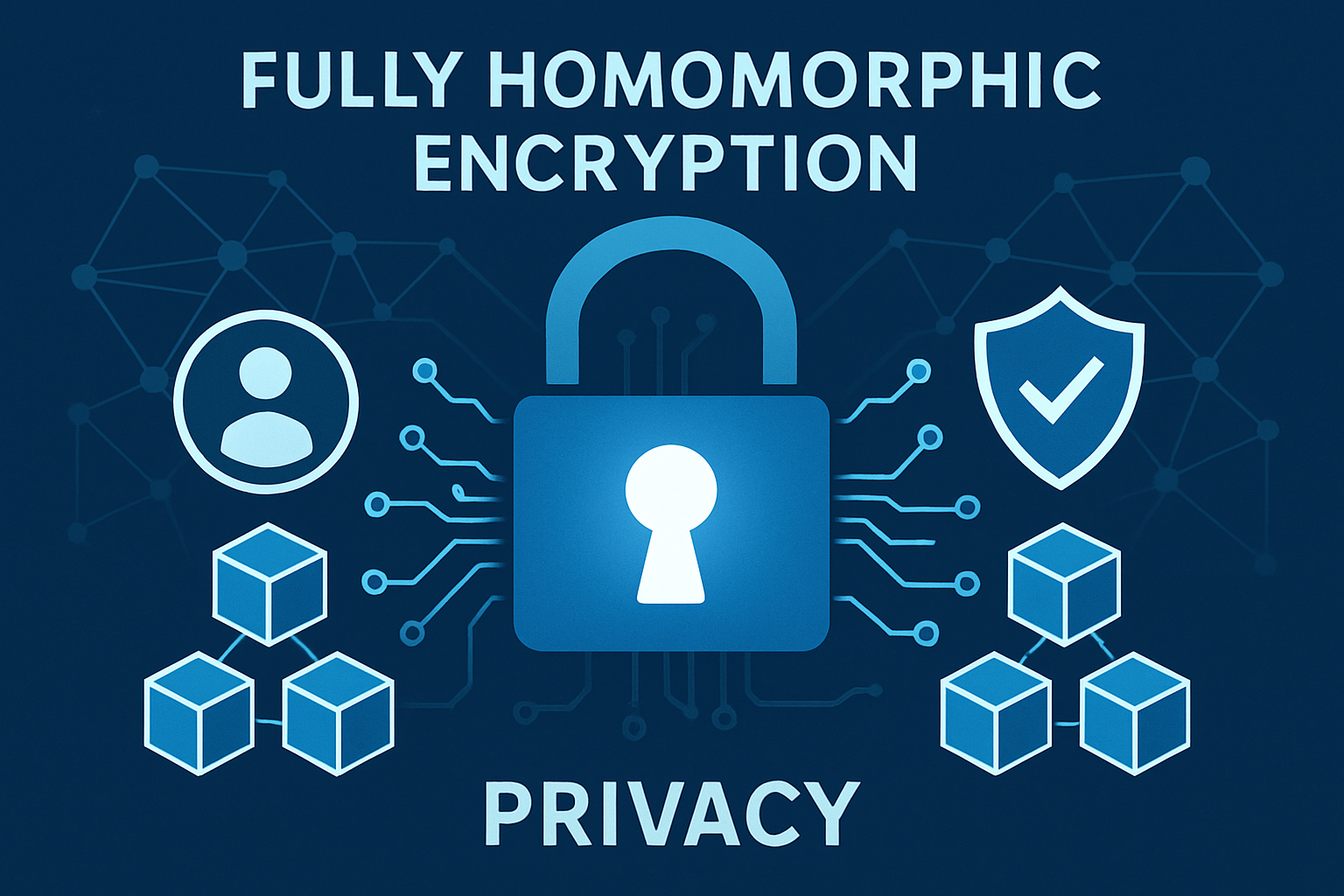
- Privacy by Default: Sensitive transaction details, user identities, and smart contract logic can be processed without ever being exposed, even to the nodes providing data availability.
- Scalable Confidentiality: By eliminating the need for complex, resource-intensive privacy-preserving protocols, FHE reduces computational overhead, paving the way for scalable, high-throughput modular DA solutions.
Recent projects like Inco.org’s Modular Confidential Computing Network and Fhenix (the first Ethereum Layer 2 to enable confidential smart contracts via FHE) are already demonstrating the practical potential of this technology. The modular approach, popularized by networks like Celestia, further amplifies FHE’s impact by decoupling execution, consensus, and data availability, making it easier to integrate advanced cryptographic primitives where they are most needed.
How FHE Enables Encrypted Computation in Blockchain
FHE’s unique mathematical structure allows for both addition and multiplication operations to be performed directly on ciphertexts. This means that smart contracts and decentralized applications can execute logic and validate transactions without ever decrypting user data. For modular DA layers, this unlocks several strategic benefits:
Key Benefits of FHE for Modular DA Layers
- Scalable Confidential Computation: By allowing operations on encrypted data without the need for constant decryption and re-encryption, FHE reduces computational overhead. This supports the scalability of modular DA layers, as demonstrated by Celestia leveraging FHE for efficient, secure data availability.
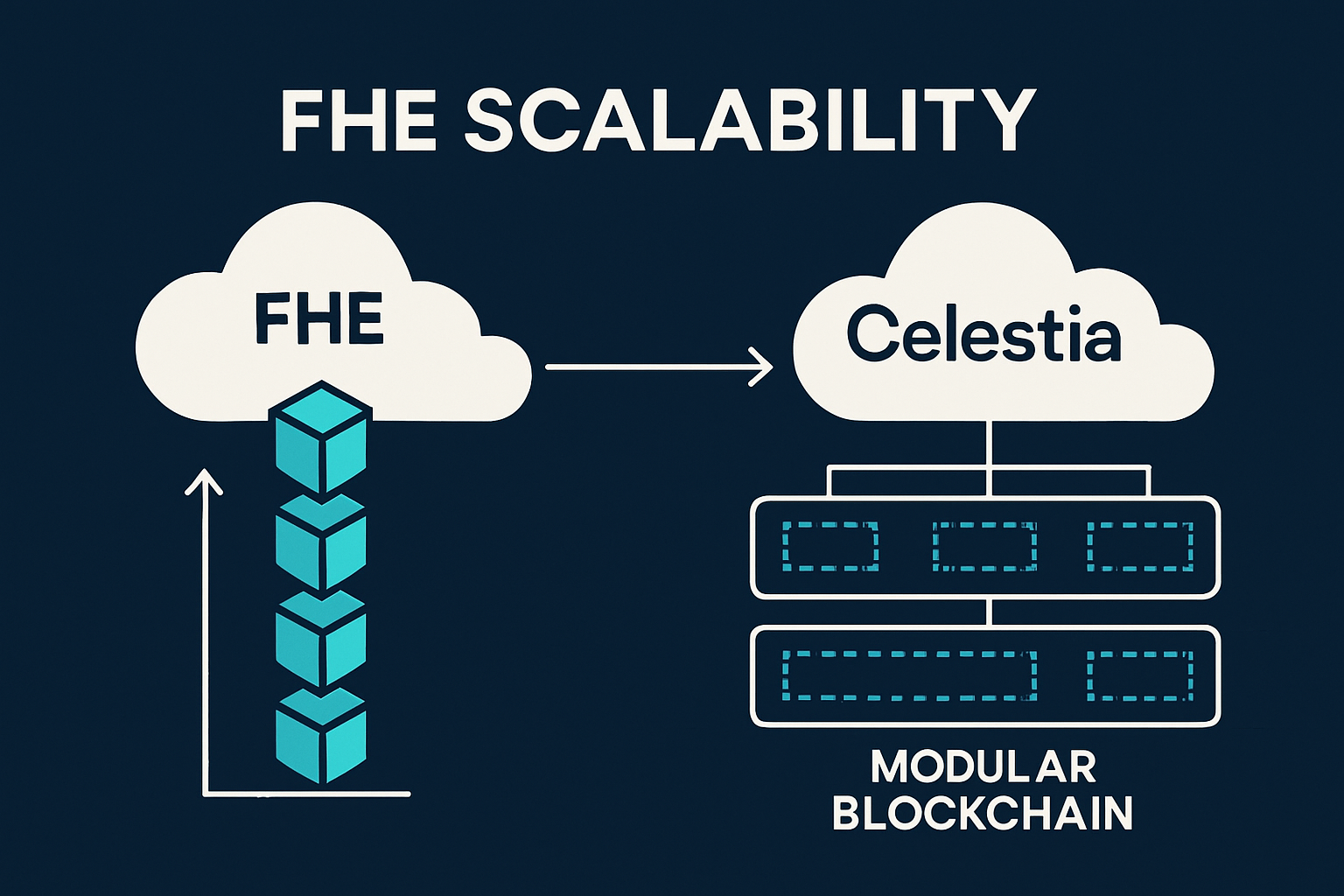
- Seamless Modularity and Interoperability: FHE aligns with the modular architecture of modern blockchains, enabling confidential data processing across different layers and components. Solutions like OpenFHE make it easier for developers to integrate FHE into diverse blockchain infrastructures, enhancing interoperability.
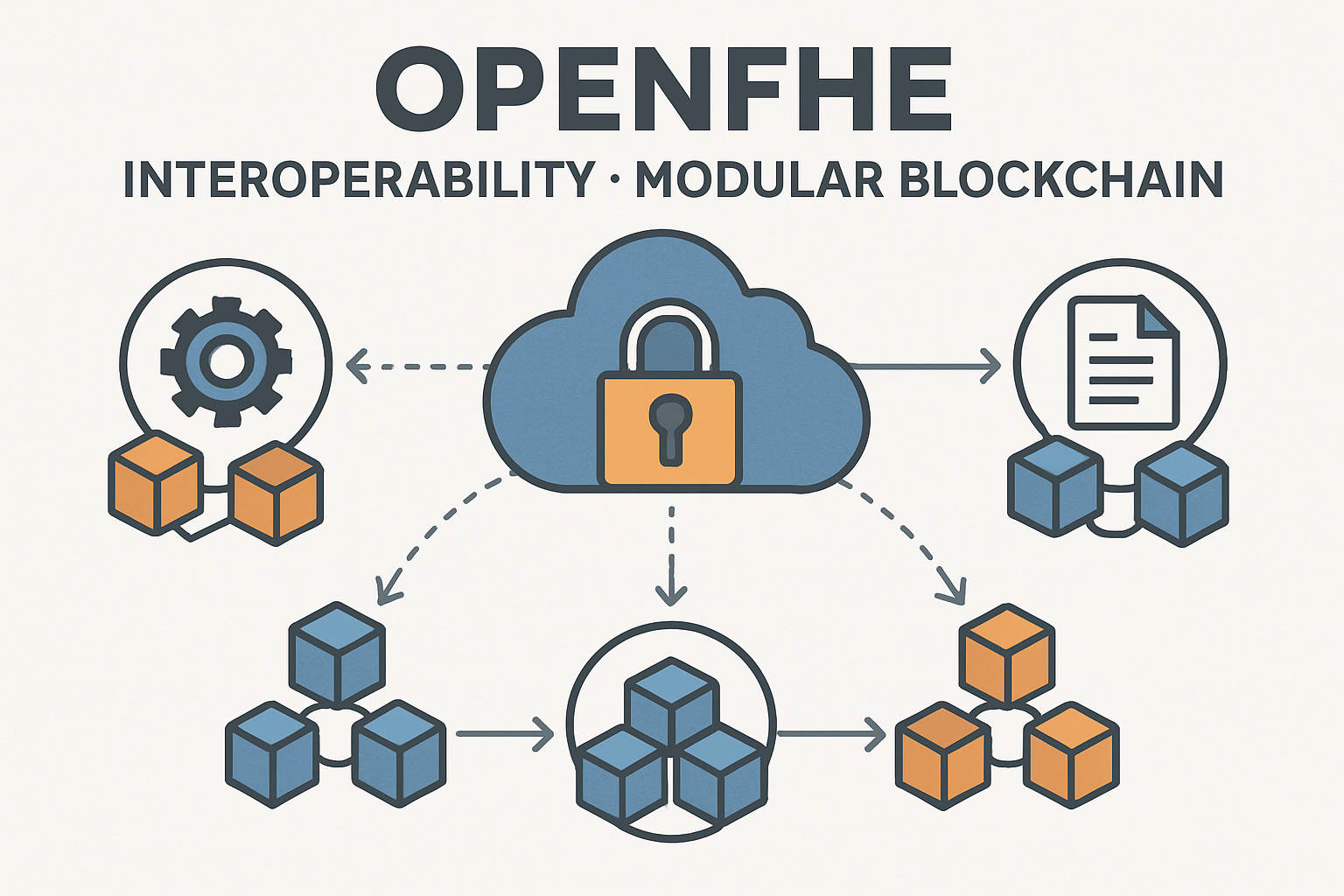
- Regulatory Compliance and Data Protection: FHE helps DA layers meet stringent data privacy regulations by ensuring that user data is never exposed in plaintext, supporting compliance in sensitive sectors such as healthcare and finance. This is highlighted in research on blockchain-based federated learning with homomorphic encryption published by ScienceDirect.

- Performance Advancements Through Hardware Acceleration: Recent developments like the FAB FPGA-based accelerator are making FHE operations faster and more practical for real-world blockchain applications, addressing previous computational bottlenecks.

For example, the CKKS scheme (introduced by Jung Hee Cheon et al. in 2017) is designed for approximate arithmetic on encrypted values, making it especially suitable for blockchain-based federated learning and secure data transactions (NIH). Meanwhile, hardware accelerators like FAB are addressing the performance bottlenecks that have historically limited FHE’s adoption, making real-time encrypted computation increasingly practical (arxiv.org).
Modularity, Interoperability, and the Road Ahead
The modular thesis in blockchain design argues that separating core functions, like execution, consensus, and data availability, enables greater flexibility, scalability, and innovation. FHE fits seamlessly into this paradigm. By allowing encrypted data to be processed and verified across different modules and even different blockchains, FHE-powered DA layers can serve as confidential bridges between otherwise siloed networks.
This interoperability is already being explored by projects such as Cypher, which integrates FHE within Ethereum Virtual Machine (EVM) environments, and by ZK-rollup teams experimenting with FHE to further enhance privacy without sacrificing performance. The result is a new class of private, scalable DA layers that can adapt to rapidly evolving regulatory and user demands, without compromising on decentralization or user sovereignty.
As modular DA layers continue to mature, the convergence of FHE and blockchain is catalyzing a wave of innovation that addresses long-standing privacy and scalability challenges. Unlike zero-knowledge proofs, which excel at verifying computation without revealing data but are limited in the types of logic they can efficiently support, FHE offers a more generalized approach to encrypted computation. This unlocks confidential smart contracts, encrypted state transitions, and collaborative data analytics, all without exposing sensitive information to validators or external observers.
One of the most compelling case studies is Fhenix’s integration with Celestia as its data availability solution. By leveraging Celestia’s modular DA layer, Fhenix can offload encrypted transaction data while preserving confidentiality through FHE. This architecture demonstrates how modularity and advanced cryptography can coalesce to create private, scalable, and composable blockchain ecosystems. For developers, this means the ability to build decentralized applications where user data remains protected end-to-end, and for enterprises, it opens the door to compliant, privacy-preserving on-chain workflows in industries like healthcare and finance.
Despite these advances, there remain practical challenges. FHE operations are still computationally intensive compared to traditional cryptography, though the gap is narrowing rapidly. Open-source frameworks such as OpenFHE are making it easier for blockchain engineers to experiment with and deploy FHE-powered modules. Meanwhile, hardware acceleration and algorithmic improvements are expected to further reduce latency and cost, bringing real-time encrypted computation within reach for mainstream applications.
Emerging Use Cases and What to Watch
The next wave of innovation will likely focus on expanding the use cases for fully homomorphic encryption blockchain solutions. Some promising directions include:
Real-World Applications of FHE in Modular DA Layers
- Confidential DeFi on Fhenix: Fhenix is the first Ethereum Layer 2 to enable confidential smart contracts using Fully Homomorphic Encryption (FHE), allowing DeFi protocols to process transactions and user data privately without exposing sensitive information to the network.
- Private Voting Systems Powered by Inco: The Modular Confidential Computing Network by Inco leverages FHE to enable secure, verifiable, and private on-chain voting, ensuring that ballots remain confidential while still allowing for transparent tallying and auditability.

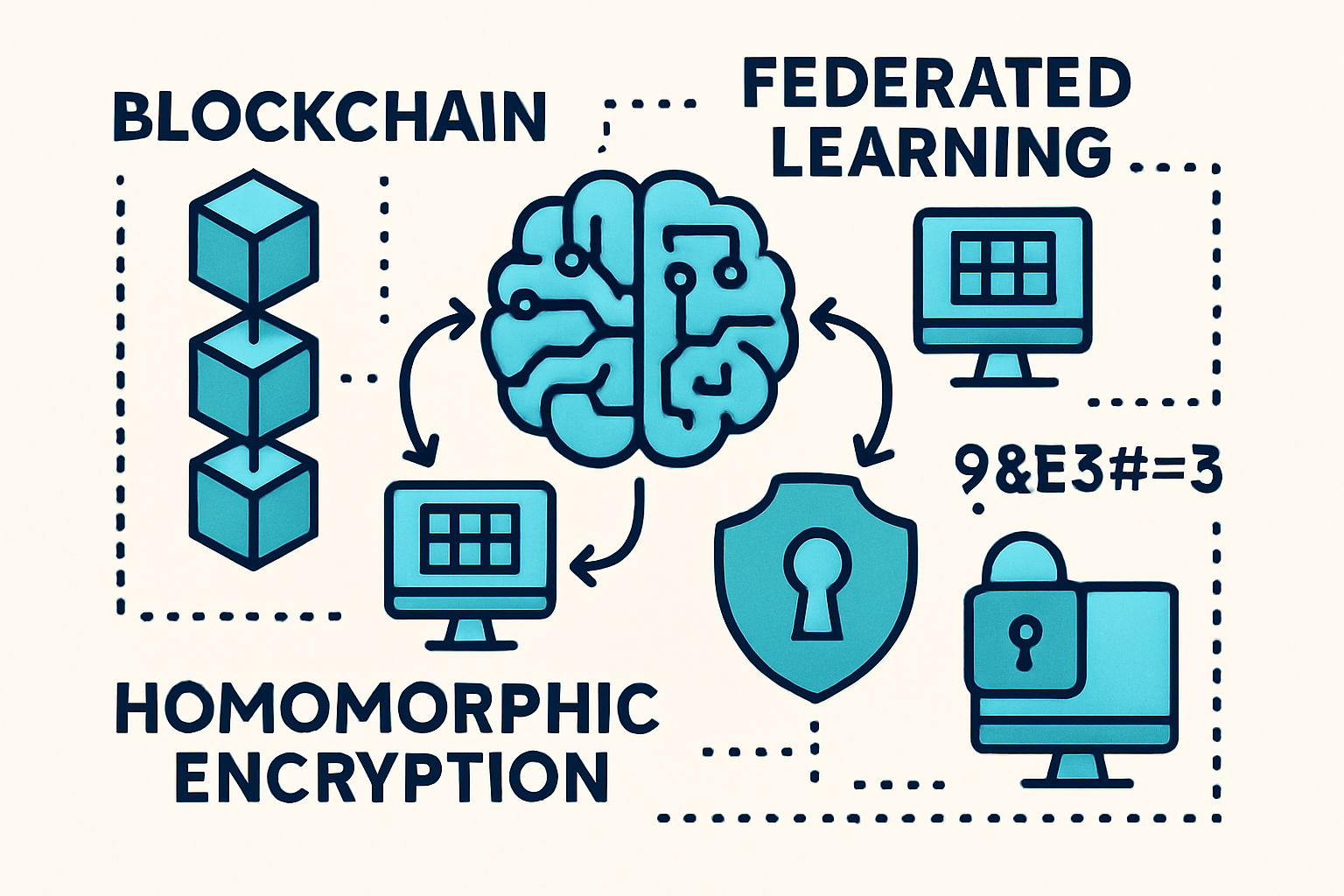
- Secure Federated Learning with Blockchain and FHE: Research frameworks such as those described in ScienceDirect integrate FHE with blockchain-based federated learning, enabling multiple parties to collaboratively train AI models on encrypted data without exposing individual datasets, enhancing privacy and data security.
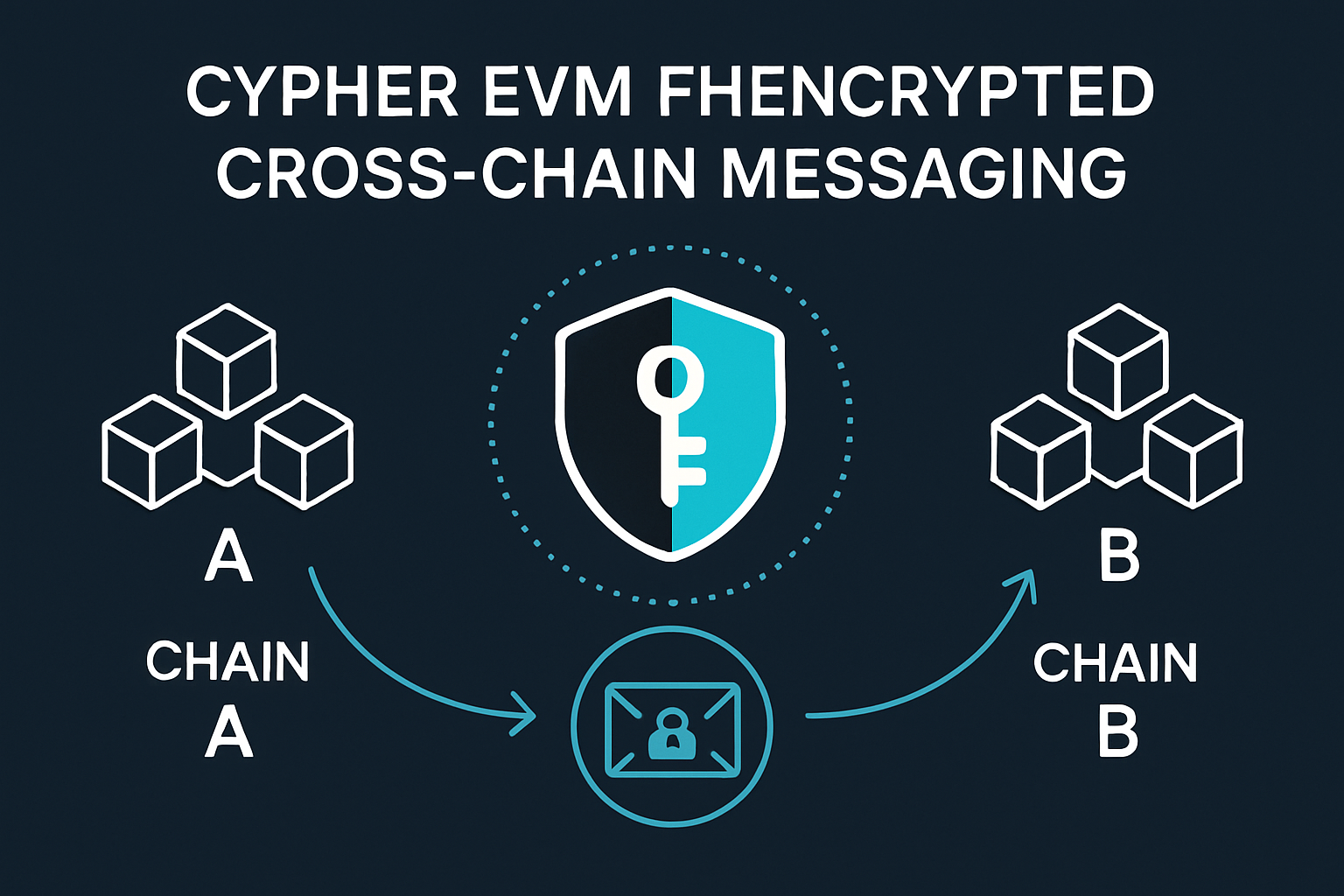
- Cross-Chain Encrypted Messaging via Cypher: Cypher introduces FHE within the Ethereum Virtual Machine (EVM), enabling encrypted cross-chain messaging where messages can be routed and processed across different blockchains without revealing their content to intermediaries.
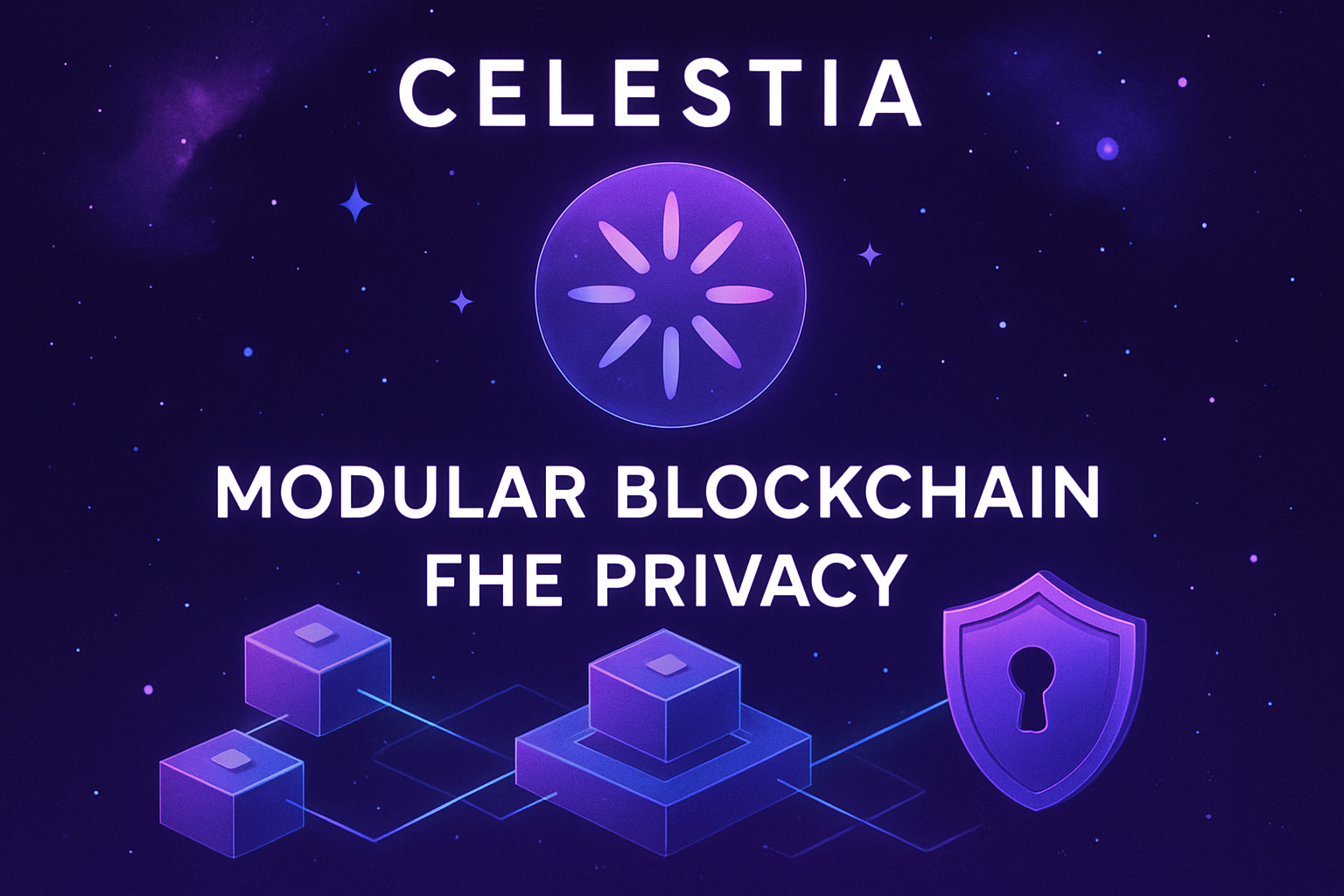
- Privacy-Preserving Data Transactions on Celestia: By integrating FHE with its modular data availability layer, Celestia supports secure and private data transactions, allowing users to share and process encrypted data across decentralized applications without compromising confidentiality.
As regulatory environments shift toward stricter data protection standards, blockchains that natively support private, scalable DA layers will be well positioned to serve both institutional and retail markets. The ability to prove compliance without exposing underlying data is a game-changer for sectors that have traditionally been wary of public ledgers.
"FHE is not just an incremental improvement, it's a paradigm shift in how we think about trust and privacy in decentralized systems. "
For those building or investing in next-generation blockchain infrastructure, understanding the interplay between FHE and modular DA layers is now essential. The projects leading this charge are setting new standards for privacy, scalability, and interoperability, reshaping what’s possible in decentralized technology.




No comments yet. Be the first to share your thoughts!