
The shift to search everywhere optimization
Search is no longer a single destination. In 2026, the "Search Everywhere" model dominates, meaning your content must survive beyond the traditional Google SERP. Users now query AI assistants, voice devices, and visual search tools, creating a fragmented landscape where visibility depends on adaptability.
This shift moves SEO from keyword targeting to intent alignment. When a user asks Siri for a recipe or uses Google Lens to identify a plant, the search engine acts as a conversational agent. It synthesizes answers from multiple sources rather than listing blue links. Your content must be structured to answer these direct, conversational queries clearly and authoritatively.
Success in this environment relies on helpful content and strong user experience. Technical tricks alone no longer suffice. Search engines prioritize websites that genuinely solve user problems, regardless of the platform where the query originated. This means optimizing for clarity, speed, and trust signals like E-E-A-T across all touchpoints.
To capture this traffic, you must treat your digital presence as a multi-platform asset. Whether a user is typing on a desktop or speaking into a smart speaker, the underlying need remains the same: a direct, accurate answer. Structuring your content to serve these diverse entry points ensures your brand remains visible in a world where search is everywhere.
Why EEAT drives authority in the AI era
The flood of AI-generated content has changed how search engines rank pages. When billions of articles exist on every topic, algorithms need a way to separate signal from noise. Experience, Expertise, Authoritativeness, and Trustworthiness (EEAT) have become the primary ranking factors because they measure human value that machines cannot easily fake.
Google’s 2026 updates prioritize content that demonstrates real-world experience. This means showing proof that the author has actually used the products or tools they discuss. Generic summaries of specifications no longer work. Readers and algorithms alike look for specific details that only someone who has held the item or run the test would know.
Trustworthiness is equally important. Sites that cite original data, link to primary sources, and clearly identify their authors perform better than those that hide behind anonymous bylines. In a sea of AI text, transparency is the differentiator.

As an Amazon Associate, we may earn from qualifying purchases.
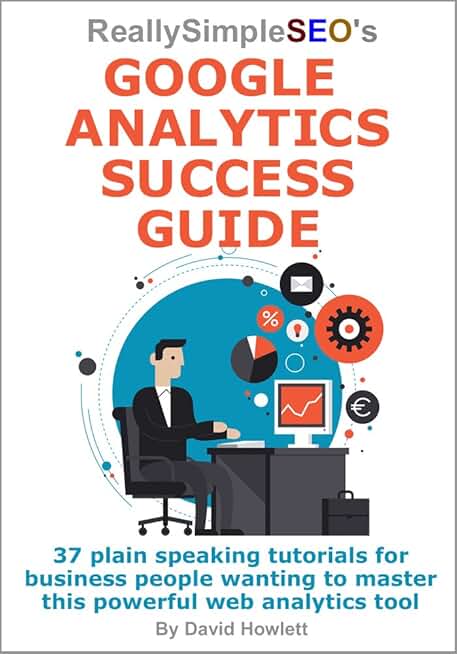
Focusing on these four pillars helps your content stand out. It shifts the strategy from writing for bots to writing for people. The tools that support this effort—analytics dashboards, audit software, and research platforms—should help you verify your own expertise and trust signals before you publish.
Structure for zero-click visibility
Organic search still drives over 50% of website traffic on average in 2026, but the destination of that traffic has shifted. Users increasingly find answers directly within the search results page through snippets and AI Overviews. Winning this position-zero real estate requires a shift from chasing clicks to providing definitive, structured answers. The goal is to become the primary source that search engines cite, even if the user never leaves the results page.
To capture these features, content must be explicitly designed for machine parsing. This means adopting a question-and-answer format that mirrors how users phrase queries. Search algorithms look for direct, concise responses to specific questions, often pulling from the first paragraph of a section or a bulleted list. If your content is buried in dense prose, AI systems will struggle to extract a clean answer.
The most effective tactic is to identify the "People Also Ask" questions related to your core topic and answer them immediately. Use clear headings for each question, followed by a 40-60 word summary. This structure signals to the search engine that you have the exact information the user needs. It transforms your page into a trusted reference point rather than just another blog post.
This approach requires a different mindset than traditional SEO. You are not just writing for humans; you are writing for the algorithm that summarizes human intent. By providing clear, authoritative answers, you increase the likelihood of being featured in AI Overviews. This visibility builds brand authority and trust, which can lead to indirect benefits like brand recognition and long-term customer loyalty, even without immediate click-throughs.
Tools for generative engine optimization
Optimizing for AI answers requires a different toolkit than traditional keyword targeting. You need software that helps you structure content for clarity, monitor how generative engines interpret your data, and track visibility in AI overviews. The following tools address these specific needs.
Software for GEO and AI Content
These platforms help you align your content with the requirements of generative engines. They focus on factual accuracy, source citation, and structural clarity rather than just keyword density.
| Tool | Primary GEO Focus | Best Use Case |
|---|---|---|
| Surfer SEO | Content structure & AI guidance | Drafting articles optimized for AI overviews |
| MarketMuse | Topic authority & depth | Building comprehensive content clusters |
| SEMrush | SERP feature tracking | Monitoring AI snippet visibility |
| Jasper | AI content generation | Creating draft content for human editing |
Essential Resources
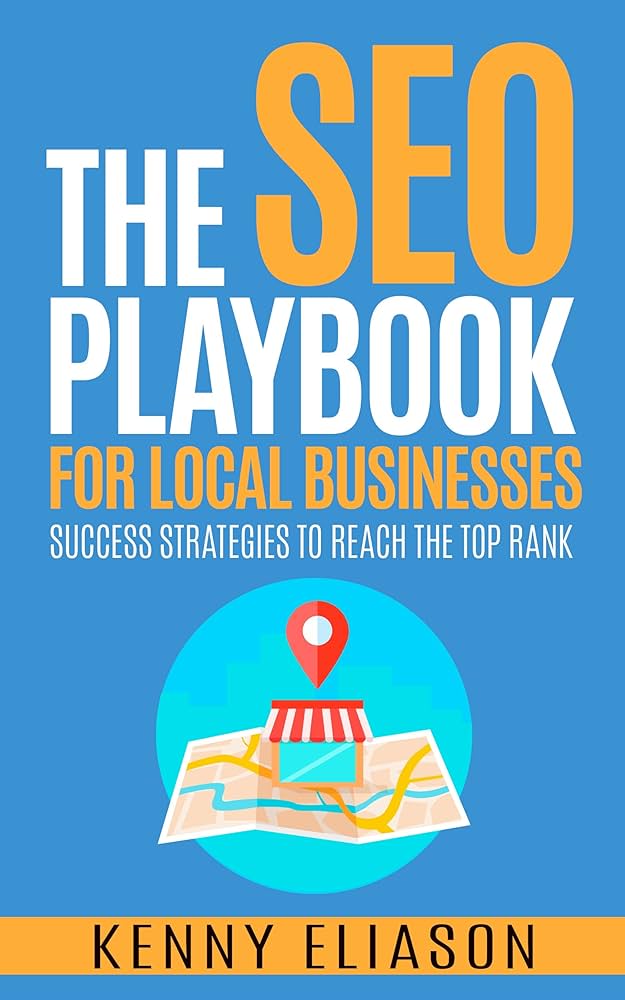
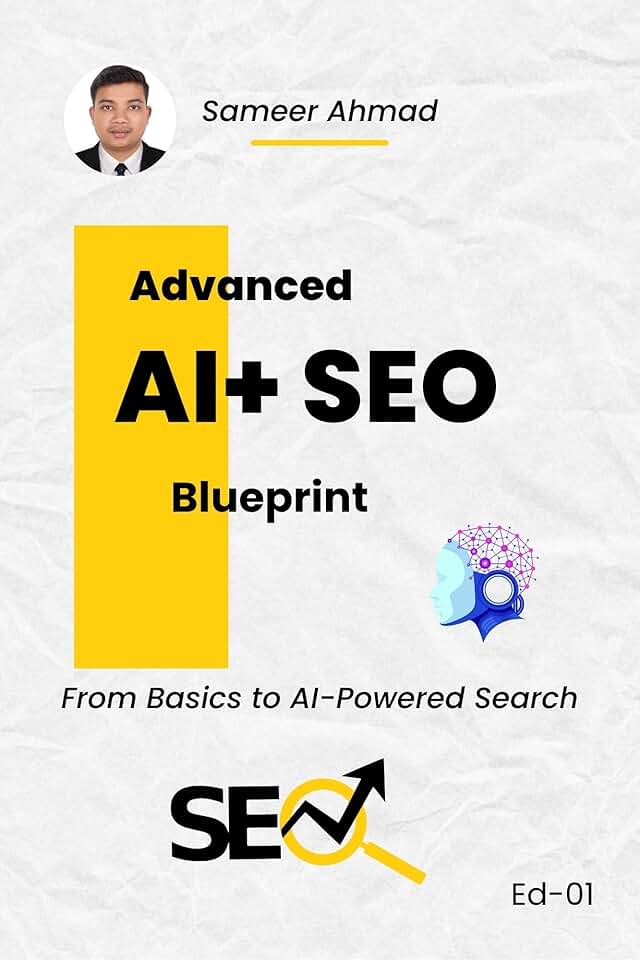
Beyond software, staying updated on the latest strategies is important. The following books and resources provide foundational knowledge for adapting to the 2026 search landscape.

As an Amazon Associate, we may earn from qualifying purchases.
Optimizing for voice and visual search
Search is no longer just about typing keywords into a box. In 2026, users are asking Siri questions on their commute and snapping photos of products to find them instantly. To capture this traffic, you need to adapt your content for these hands-free and image-first interactions.
Structure content for natural language
Voice assistants thrive on conversational phrases rather than fragmented keywords. When people speak, they use full sentences and question words like "how," "what," or "where." Structure your content to answer these specific queries directly. Use short, clear paragraphs and include a dedicated FAQ section that mirrors the natural language your audience uses.
Optimize image metadata for visual discovery
Visual search relies on understanding what is in an image. Ensure every image on your site has descriptive, keyword-rich file names and alt text. This helps search engines index your visuals accurately. Use tools like the ImageOptim desktop app to compress images without losing quality, ensuring your site loads quickly while remaining visually accessible to crawlers.
Leverage product photography
For e-commerce, high-quality product images are essential. Visual search algorithms need clear, detailed shots to match user queries. Ensure your product photos are well-lit and show the item from multiple angles. This increases the likelihood of appearing in visual search results when users look for similar items.
Review your existing content for questions that can be answered in 40-50 words. Place these answers near the top of relevant pages to capture featured snippets for voice queries.
Replace generic names like IMG_1234.jpg with descriptive terms like blue-running-shoes-side-view.jpg. This provides immediate context for visual search engines.
Implement FAQ schema markup on your pages. This helps search engines understand the Q&A format, increasing the chances of your content being read aloud by voice assistants.


As an Amazon Associate, we may earn from qualifying purchases.
Use consistent branding in images
Visual search can also recognize brand logos and distinct packaging. Ensure your product images include clear branding elements. This helps algorithms associate your visual content with your brand, strengthening your presence in visual search results.
Frequently asked questions about 2026 SEO
Search behavior is shifting fast. Here are the answers to the most common questions we see about SEO in 2026.
No comments yet. Be the first to share your thoughts!