What is DA layering in SEO?
Domain authority layering is a strategic approach to building a website's credibility through a tiered link structure. Unlike basic link building, which often focuses on acquiring links directly to your main pages, DA layering creates a pyramid of authority. This method distributes link equity more effectively, helping search engines recognize your site as a trustworthy resource.
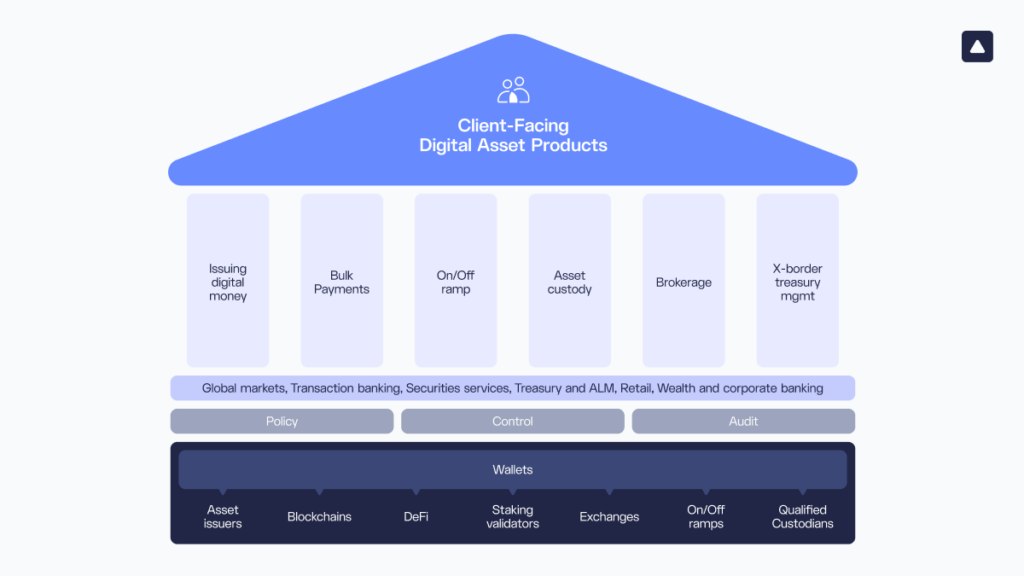
Think of your website as a building. Basic link building is like trying to reinforce the foundation with a few heavy beams. DA layering is like constructing a support system where high-authority sources point to mid-tier pages, which then funnel that strength down to your "money site." This layered approach mimics how natural link profiles develop over time, reducing the risk of penalties while maximizing ranking potential.
This strategy is particularly useful for competitive niches where direct link acquisition is difficult or risky. By building authority through intermediate pages, you create a buffer that protects your primary domain from algorithmic fluctuations. The goal is to establish a robust, multi-layered network of backlinks that supports sustainable growth.
How da layering boosts domain authority
Domain Authority (DA) is not a single metric but a reflection of your site’s overall trustworthiness in the eyes of search engines. When you use DA layering tools to build a diverse link profile, you are essentially constructing a digital reputation that mimics organic popularity. Search algorithms analyze these backlinks to determine if your content is genuinely valuable or artificially inflated.
A layered approach distributes link equity across different types of sources, such as high-authority news sites, niche blogs, and educational resources. This variety signals to Google that your site is a central hub for information, rather than a node in a spam network. Consistent, natural-looking link growth over time is far more effective for boosting DA than sudden spikes from low-quality directories.
Think of DA layering like building a house foundation. A single weak layer might hold for a while, but multiple, well-distributed layers provide stability against algorithm updates. By using specialized software to identify and secure these diverse links, you ensure that your domain authority rises steadily, supporting higher rankings for your target keywords without triggering spam filters.
Top DA layering tools for 2026
Finding the right software to manage domain authority layering requires looking beyond simple link counting. In 2026, the best tools focus on automation, rigorous reporting, and link quality verification. These platforms help you build a sustainable backlink profile without triggering search engine penalties.
The following tools are selected for their ability to handle the technical complexities of DA layering. They offer features like automated outreach, competitor analysis, and detailed performance tracking. Each recommendation is chosen for its reliability and specific utility in SEO workflows.
Ahrefs
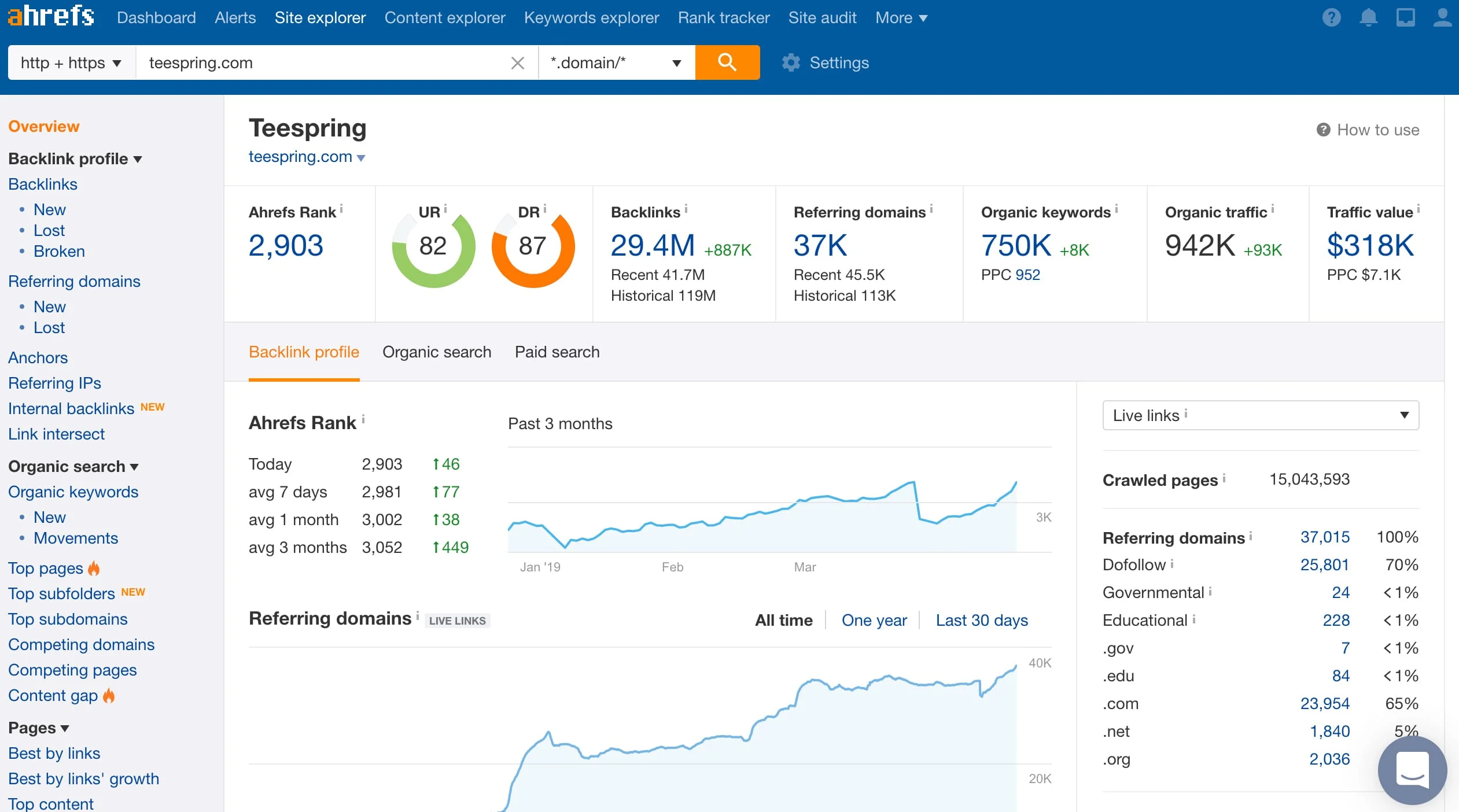
Ahrefs remains the gold standard for backlink analysis. Its extensive database allows you to track your DA layering progress with precision. The tool provides detailed insights into referring domains, anchor text distribution, and link velocity. This data is essential for ensuring your layering strategy aligns with search engine guidelines.
Semrush
Semrush offers a comprehensive suite of SEO tools that support DA layering efforts. Its Link Building Tool helps identify potential link opportunities and manage outreach campaigns. The platform also includes a Site Audit feature to ensure your site’s technical health supports your authority-building efforts.
Moz Pro
Moz Pro is known for its Domain Authority metric, which is central to this strategy. The tool provides a clear view of how your link building efforts impact your overall authority score. Its Link Explorer feature allows you to analyze your backlink profile and identify areas for improvement.
Majestic
Majestic specializes in backlink data and provides unique metrics like Trust Flow and Citation Flow. These metrics help you evaluate the quality of links in your DA layering strategy. The tool’s historical index allows you to track changes in your backlink profile over time.
Linkody
Linkody offers automated backlink monitoring and competitor analysis. It alerts you to new or lost links, helping you stay on top of your DA layering efforts. The platform’s user-friendly interface makes it easy to manage your link building campaigns.
As an Amazon Associate, we may earn from qualifying purchases.
Comparing features and pricing
Choosing the right SEO link building software depends on how much automation you need versus manual control. The tools below vary in price, backlink monitoring depth, and outreach capabilities. Use this comparison to find the tool that fits your specific workflow and budget.
| Tool | Price | Backlink Monitoring | Outreach Automation | Ease of Use |
|---|---|---|---|---|
| Ahrefs | From $99/mo | Advanced | Limited | High |
| Majestic | From $49.99/mo | Deep Historical | None | Medium |
| Semrush | From $129.95/mo | Real-time | Integrated | High |
| Linkody | From $19/mo | Daily | Basic | High |
| Pitchbox | Custom | Manual | Advanced | Medium |
Ahrefs and Semrush offer the most robust backlink monitoring with real-time updates. They are ideal for teams that need to track competitor strategies closely. Pitchbox is better for agencies requiring advanced outreach automation, though it comes at a higher cost. For smaller budgets, Linkody provides solid daily monitoring at a lower entry point.

As an Amazon Associate, we may earn from qualifying purchases.
How to choose the right DA layering tool
Selecting the correct software for domain authority (DA) layering requires aligning your technical resources with your specific SEO objectives. A tool that automates outreach may save time, but it often lacks the nuance required for high-quality link building. Conversely, manual tools offer precision but demand significant hours of labor. Use this framework to evaluate your options based on budget, expertise, and goals.
If you lack coding skills or access to a developer, avoid tools that require complex API integrations or custom scripting. Look for platforms with intuitive dashboards and pre-built outreach templates. These tools handle the heavy lifting, allowing you to focus on strategy rather than troubleshooting broken connections or data formats.
DA layering tools range from free browser extensions to enterprise suites costing thousands monthly. Determine your maximum monthly spend and calculate the expected return. A $50/month tool that saves 10 hours of manual work is often more valuable than a $500/month platform with redundant features. Ensure the pricing model scales with your link volume.
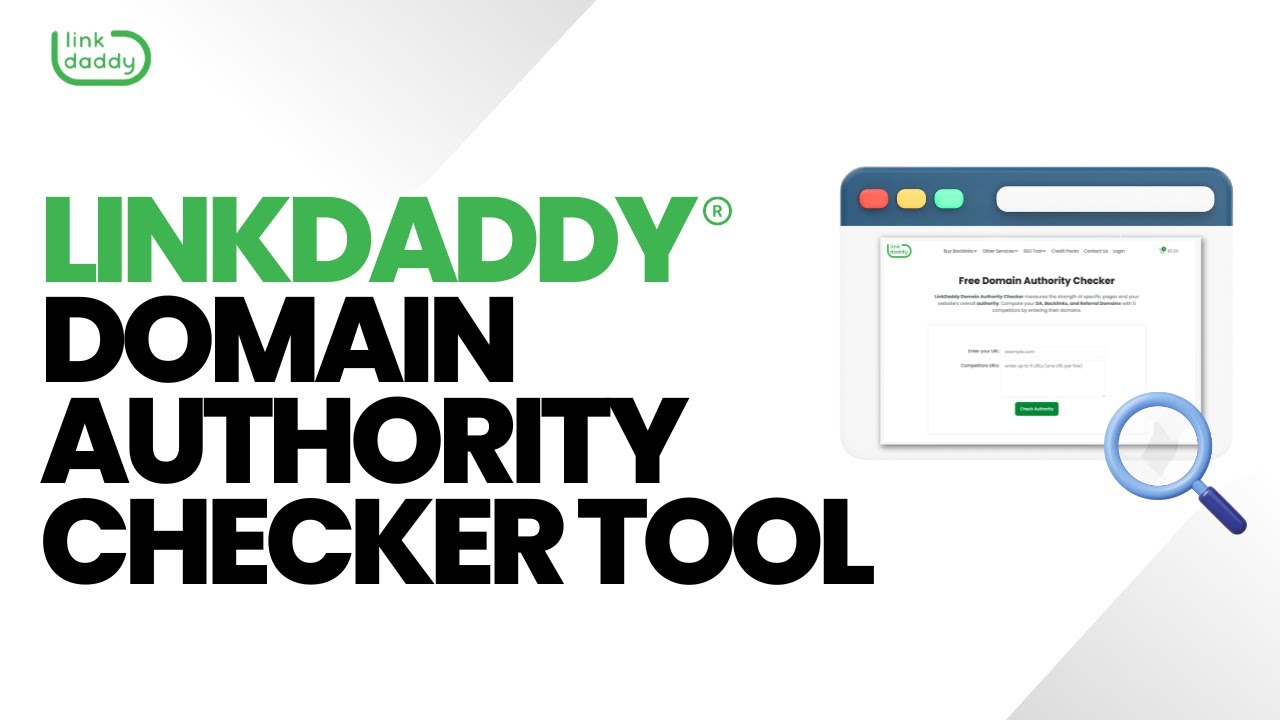
Effective layering requires precise tracking of domain authority changes across multiple domains. The tool must offer clear reporting on which backlinks are moving the needle. Look for features like automated DA tracking, competitor link analysis, and integration with Google Search Console. Without accurate data, you cannot refine your layering strategy or justify the investment.
Google’s guidelines strictly prohibit manipulative link schemes. Choose tools that emphasize natural link acquisition and provide safety checks to avoid toxic backlinks. Avoid platforms that promise instant DA boosts through automated directory submissions or link exchanges. The right tool will help you build sustainable authority through quality content and genuine outreach, not shortcuts that risk penalties.
Your DA layering tool should fit seamlessly into your current SEO workflow. It must integrate with your preferred email marketing software, CRM, and project management tools. This reduces context switching and ensures your team can collaborate effectively. If a tool operates in isolation, it will likely become a bottleneck in your link building process.

As an Amazon Associate, we may earn from qualifying purchases.
Frequently asked questions about DA layering
What is data layering in SEO? A data layer is a structured JavaScript object on your website that collects and organizes information about user interactions, page content, and transaction events. It acts as a bridge between your site’s code and your analytics or marketing tools, ensuring accurate tracking without cluttering your HTML. Proper implementation helps SEO software analyze link-building performance and user behavior more effectively.
How does data layering improve link building tools? Link building software relies on clean, consistent data to identify high-quality backlink opportunities and track campaign success. By using a robust data layer, you can pass specific signals—such as referral source, page authority, or conversion type—directly to your SEO platform. This reduces manual reporting errors and allows tools to prioritize links that drive actual organic traffic rather than just vanity metrics.
Is data layering difficult to implement? For most websites, implementing a basic data layer requires only a few lines of JavaScript and coordination with your development team. You do not need to rebuild your site; instead, you create a centralized object that tags key events. Many modern SEO and analytics platforms provide templates to help you map existing site elements to the layer quickly.
What are the best practices for SEO data layers? Focus on capturing relevant SEO signals like canonical URLs, meta descriptions, and structured data types. Avoid overloading the layer with unnecessary user data that could slow down page load times. Regularly audit your data layer to ensure it remains synchronized with any changes to your site’s structure or content management system.
Can I use data layering with any SEO tool? Most major SEO platforms, including those focused on link building and domain authority analysis, support standard data layer implementations. Check your specific software’s documentation to see if it requires a particular naming convention or event structure. Compatibility is generally high, but custom integrations may require additional setup.
No comments yet. Be the first to share your thoughts!