

The 2026 layering shift
Spring layering in 2026 has moved past the days of simply piling on extra warmth. The trend now centers on intentional textural contrast, where every piece serves a specific visual purpose rather than just adding bulk. Designers are treating layering as a game of balance, mixing unexpected shapes and fabrics to create looks that feel lively and curated rather than accidental.
Think lace over leather or satin draping over heavy denim. These pairings rely on the interplay between light and heavy materials to create depth without sacrificing comfort. When colors align with these material contrasts, the layers themselves become the statement, allowing for eccentric and eclectic styling that prioritizes personality over uniformity.
This shift allows for more expressive, individual looks that combine varied garments and bold color choices. Younger consumers are driving this change by rejecting safe, predictable outfits in favor of "madcap" styling that showcases their unique aesthetic. The result is a spring wardrobe that feels dynamic and visually interesting, setting the stage for the specific pieces that follow.
Top knitwear picks
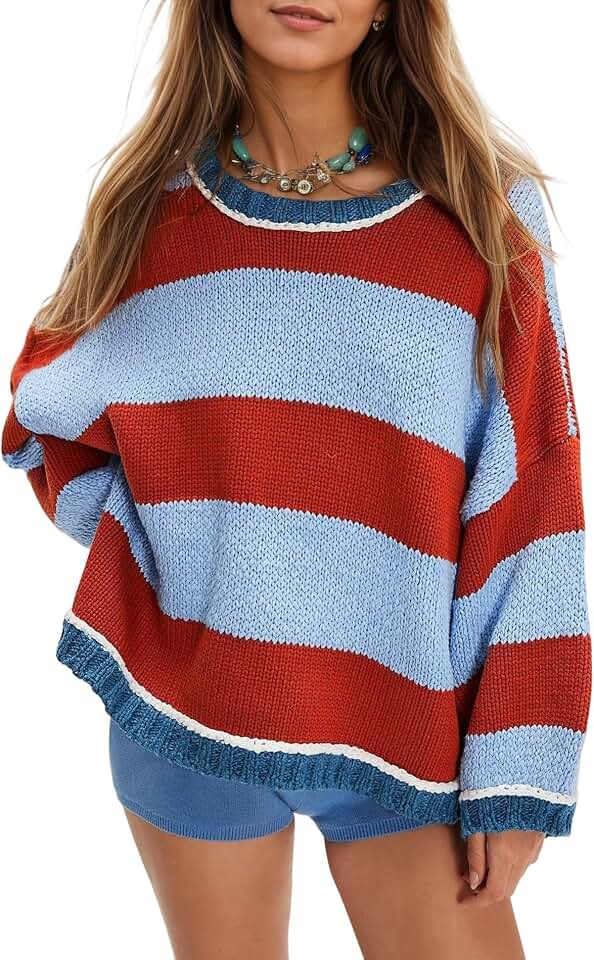
Spring 2026 is moving away from safe, neutral basics. Runways from Thom Browne to Miu Miu are pushing "eccentric, eclectic layering" with bold textures and intentional color clashes. The goal is balance: mixing lace with leather or satin over denim. Knitwear is the anchor for these looks, providing the structure to hold eclectic combinations together without adding bulk.
The best spring knits are lightweight but substantial enough to stand on their own. Look for open weaves that allow air flow and chunky textures that add visual interest. Fit is critical; oversized silhouettes work best when layered over fitted base layers, while cropped knits pair well with high-waisted trousers. Choose pieces that feel like a statement, not just a transition layer.
We’ve rounded up specific knitwear pieces that fit this new direction. These picks focus on texture, unique colorways, and versatile fits that work as a middle or outer layer. Browse the grid below to find the right piece for your spring wardrobe.



As an Amazon Associate, we may earn from qualifying purchases.
Base layers that anchor the stack
The foundation of a spring 2026 outfit is not what you add on top, but what stays closest to the skin. The current trend moves away from bulky thermal undershirts toward intentional, visible base layers. We are seeing a shift where the base layer acts as a structural anchor rather than hidden insulation. This approach allows for eccentric, eclectic styling without the weight.
Think of your base layer as the canvas for the rest of the outfit. It should provide a clean, textured contrast to the outer pieces. Whether it is a crisp white tee or a patterned button-down, the goal is to create a deliberate silhouette that does not add bulk. The 2026 aesthetic favors balance and contrast, letting the layers do the talking through material and cut rather than volume.
The Double T-Shirt Concept
One of the most distinct trends for this season is the double T-shirt. This involves layering two t-shirts of different weights, colors, or fits. The inner shirt might be a fitted, high-quality cotton base, while the outer shirt is a slightly oversized, textured knit or a sheer mesh tee. This technique adds depth and visual interest to a simple outfit without the need for heavy jackets.
The Logan Shirt
The Logan shirt represents a more refined approach to base layering. Designed with a tailored fit and breathable fabric, it serves as a versatile foundation that can be worn under a blazer or left open over a tank. Its structured collar and clean lines make it suitable for both casual and semi-formal spring settings, offering a polished look that remains comfortable as temperatures rise.


As an Amazon Associate, we may earn from qualifying purchases.
Outerwear and statement pieces
Spring 2026 runways moved away from subtle layering toward bold, sculptural statements. Designers like Thom Browne piled stripes and tweeds to create puffy, bulky shapes, while others embraced eccentric, eclectic combinations that prioritize texture and color over traditional warmth. These outerwear pieces act as the final layer, defining the outfit through exaggerated silhouettes and intentional styling rather than just protection from the elements.
The trend leans into "madcap styling," where lace meets leather or satin drapes over denim. The goal is balance and contrast, letting the layers do the talking when colors align. This approach transforms a simple jacket or coat into a centerpiece, encouraging wearers to experiment with varied garments and textural play. It is less about the three-layer system for warmth and more about expressing personality through volume and unexpected pairings.
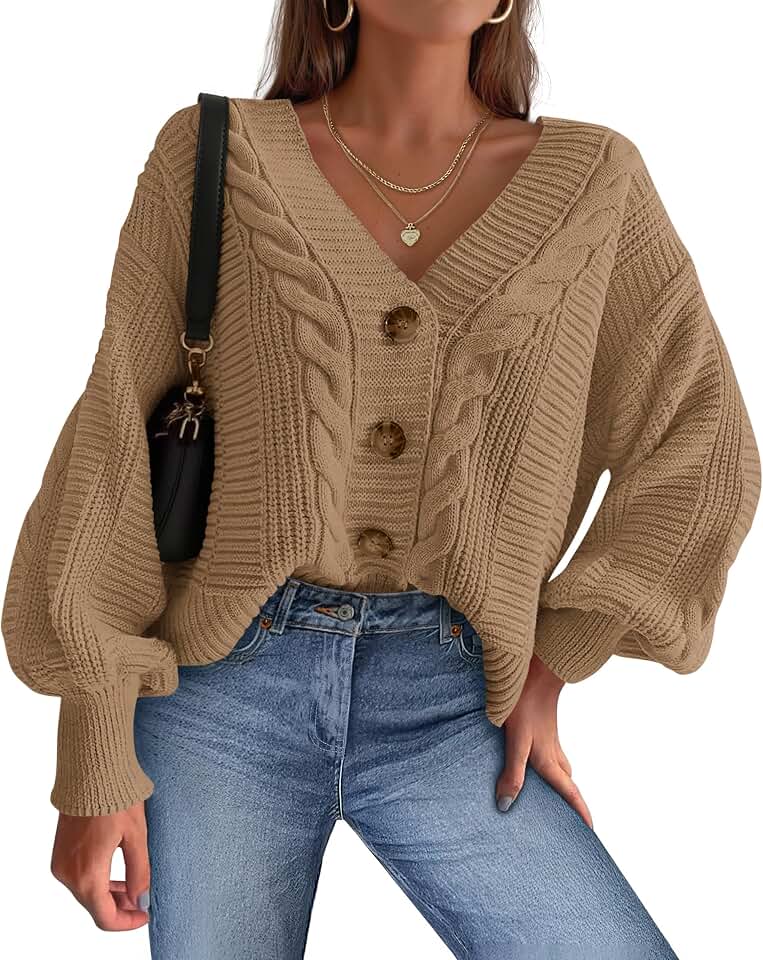
To capture this spring aesthetic, look for outerwear with distinct structural elements. Oversized blazers with sharp shoulders, cropped utility jackets, and textured knit cardigans serve as ideal statement pieces. These items allow for the playful mixing of fabrics and patterns that defined the season's most memorable runway looks.



As an Amazon Associate, we may earn from qualifying purchases.
Common layering mistakes to avoid
Spring layering often feels like a balancing act, but the margin for error is smaller than it looks. The most frequent misstep is ignoring the color palette. When you mix three or more garments, clashing tones create visual noise rather than depth. Stick to a cohesive base—like a neutral tee and denim—and use your outer layers to introduce texture or a single accent color. This keeps the outfit grounded and intentional.
Another trap is over-layering for the temperature. Spring weather shifts rapidly, so piling on heavy knits or bulky coats can leave you sweating by midday. Instead of adding volume, add versatility. Swap a heavy wool blazer for a lightweight unlined jacket or a thin merino cardigan. These pieces provide warmth without trapping heat, allowing you to adjust your layers as the day warms up.
Finally, avoid ignoring the fit of your inner layers. Bulky sweaters under fitted shirts create awkward bunching and restrict movement. The goal is smooth transitions between fabrics. If you wear a thick knit, pair it with looser trousers or a flowing skirt to maintain proportion. Conversely, a slim-fit base layer pairs best with structured outerwear. This balance ensures your outfit looks polished rather than strained.
Common layering: what to check next
Styling for spring often raises practical questions about how to balance new trends with everyday wear. Here are answers to the most frequent queries about 2026 layering styles and foundational techniques.
No comments yet. Be the first to share your thoughts!