

Why DA layering matters in 2026
Google’s 2026 algorithm updates have shifted focus from raw link volume to link diversity. A single source of high-DA links is no longer an asset; it is a liability.
Traditional single-tier link building is risky under new AI-driven spam filters. These systems detect unnatural patterns quickly. If your profile looks like it was built by one vendor or one tactic, you will be flagged.
Layered, diverse link profiles are essential for safe scaling. You need a mix of high-authority domains, niche-specific citations, and organic social signals. This creates a natural growth curve that algorithms trust.
Think of your backlink profile like a financial portfolio. Putting all your money in one stock is dangerous. Spreading it across different asset classes protects you from market crashes. The same logic applies to domain authority.
Build your foundation links first
Most DA layering strategies 2026 fail because they start at the top. You cannot build a high-authority architecture on a weak base. If your foundational links are low-quality or self-generated, your entire domain authority structure collapses under algorithmic scrutiny. Start with the bedrock.
Think of your backlink profile like a house. The foundation must be solid before you add floors. If the concrete is cracked, the second story will fall. In SEO terms, this means securing editorially earned links from reputable, unrelated sources before attempting any aggressive scaling tactics. These links signal trust to search engines, establishing your site as a legitimate entity rather than a spam network.
Focus on acquiring links through genuine relationships, high-quality guest posts on established industry blogs, and digital PR campaigns. These are not easy wins. They require time and genuine value creation. But they provide the stable platform needed for higher-risk, higher-reward tactics later in your strategy.
Add contextual mid-tier links
Mid-tier links from relevant industry blogs and forums serve as the connective tissue in your DA layering strategy. They bridge the gap between high-authority backlinks and your money pages, creating a natural flow of link equity that search engines recognize as organic.
Unlike directory submissions or low-quality guest posts, these links appear within substantive content. They signal to algorithms that your site is a trusted resource within specific niche conversations. This context matters more than raw domain authority alone.
Identify relevant industry conversations
Start by finding blogs and forums where your target audience actively discusses your niche topics. Look for content that aligns with your service offerings but isn't directly competitive. The goal is relevance, not just traffic volume. A highly engaged forum thread often carries more weight than a passive blog post with high traffic.
Craft value-driven contextual placements
When reaching out for these links, focus on providing genuine value. Offer a unique data point, a case study result, or a nuanced perspective that enhances the existing discussion. Avoid generic pitches. Editors and forum moderators can spot spammy outreach immediately. Your request should feel like a natural contribution to the conversation.
Ensure natural anchor text distribution
Use descriptive, varied anchor text that fits the sentence structure. Never force your primary keyword into every mid-tier link. Varying your anchor text profile prevents over-optimization triggers and makes your link profile look organic. Mix branded anchors, naked URLs, and semantic variations.
Monitor link health and relevance
Regularly audit your mid-tier links to ensure they remain active and relevant. Broken links or content that has shifted away from your niche can dilute your strategy's effectiveness. Replace lost links promptly with new, equally relevant opportunities. Consistency in maintaining these connections is what sustains long-term authority.
Layer in high-DA authority signals
The final layer of DA layering strategies 2026 involves securing links from high-domain-authority sites. These are established news outlets, major publications, and industry leaders. Getting a link here is harder than securing niche blogs, but the impact on your site’s trust score is disproportionate. It signals to search engines that your content is credible enough for the most scrutinized platforms.
Think of this as the "prestige tier" of your link profile. A single link from a site with a DA of 80+ can outweigh dozens of links from lower-tier sites. However, these placements are rarely transactional in the traditional sense. You cannot simply buy them. You must earn them through exceptional content or strategic outreach.
Steps to secure high-DA placements
Avoid common link building mistakes
Even with a solid DA layering strategy, you can trip over your own feet if your link profile looks manufactured. Google’s AI spam filters are designed to catch unnatural patterns, not just low-quality sites. If your backlink acquisition looks like a checklist rather than organic interest, those links won’t just fail to pass authority—they will actively hurt your rankings.
The most common trigger is unnatural anchor text distribution. When every link points to your homepage with the exact same keyword-rich anchor, it screams manipulation. Instead, aim for a natural mix: branded terms, naked URLs, and partial matches. Think of your anchor text like a conversation, not a keyword dump. If you sound like a bot, Google will treat you like one.
Another major red flag is rapid link velocity. Building 50 high-DA links in a single week is a fast track to a manual penalty or algorithmic devaluation. Growth should look like a steady climb, not a vertical spike. Spread your acquisitions out, mimicking the organic pace of a site that is genuinely earning attention over time.
Recommended SEO tools for 2026
You need reliable software to track Domain Authority (DA) and monitor your link profile without triggering spam filters. The right tools provide the data you need to execute DA layering strategies 2026 with precision.
Compare the top options side-by-side to find the fit for your workflow.
| Tool | Primary Use | DA Tracking | Spam Monitoring |
|---|---|---|---|
| Ahrefs | Backlink Analysis | Yes (Domain Rating) | Yes |
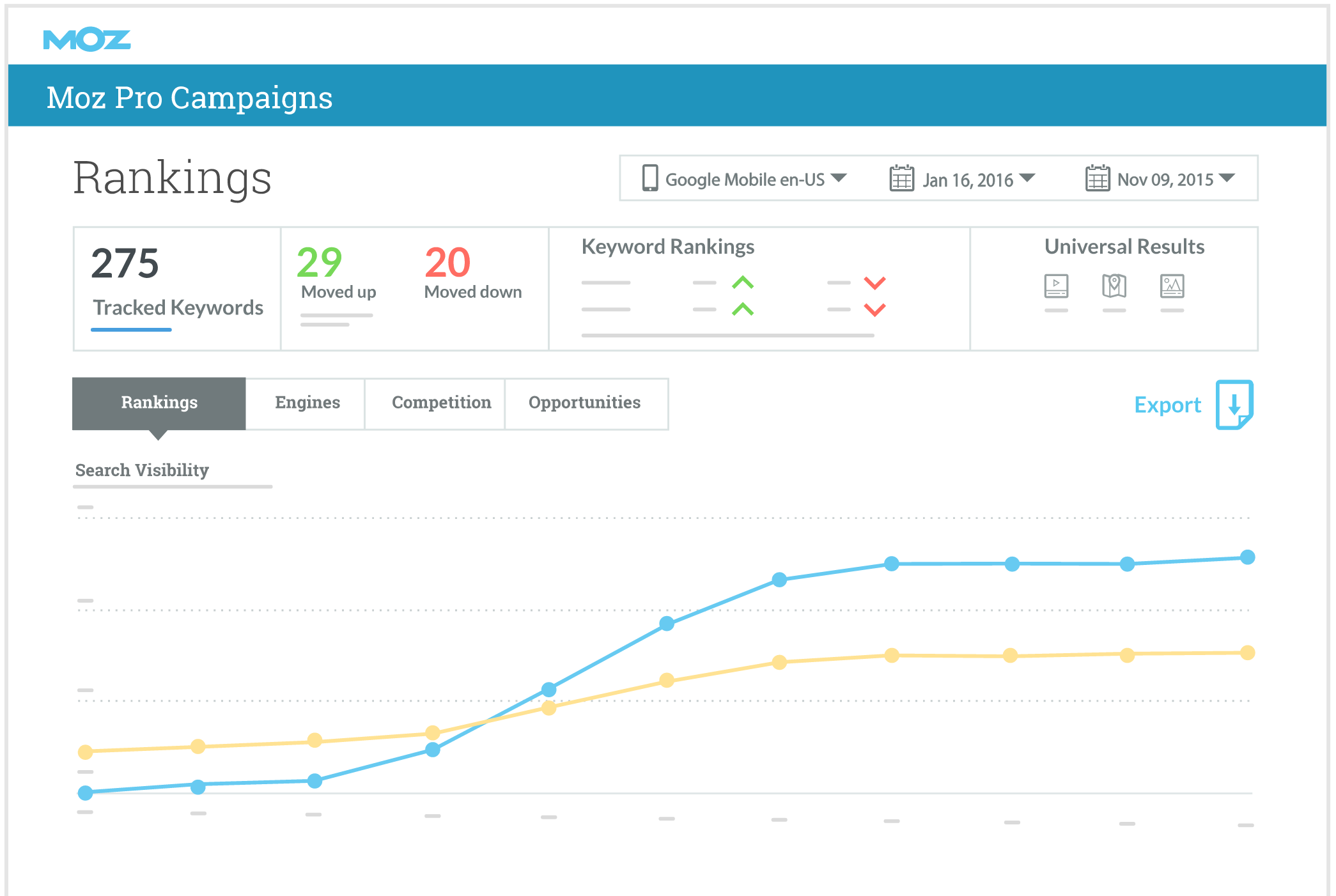
| Moz Pro | Domain Authority | Yes (DA Score) | Yes |
| Semrush | All-in-One SEO | Yes (Authority Score) | Yes |

As an Amazon Associate, we may earn from qualifying purchases.
No comments yet. Be the first to share your thoughts!