
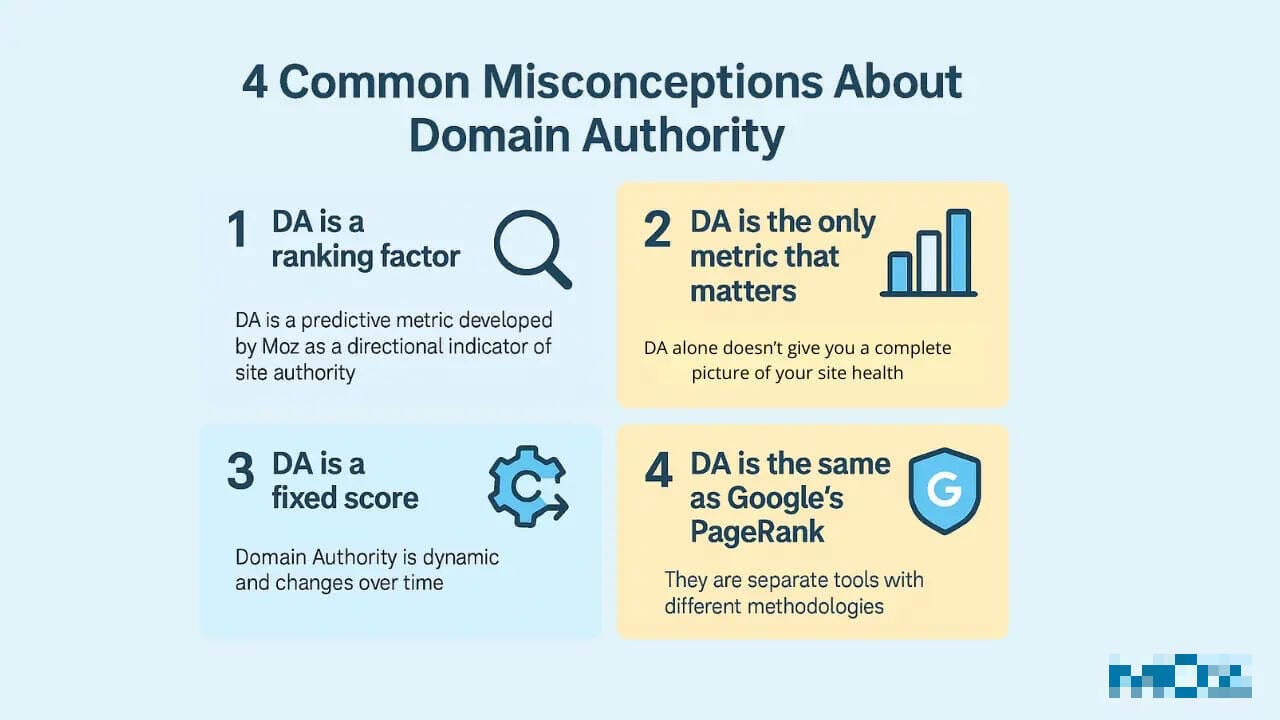
What is domain authority layering
Domain authority layering is a strategic approach to link building that uses a hierarchy of supporting domains to boost a primary money site. Instead of relying on a single high-authority site to pass link equity, this method distributes authority through a network of smaller, niche-specific domains that feed into your main brand. It distinguishes itself from simple link buying by prioritizing contextual relevance and long-term structural integrity over quick, transactional placements.
Think of your primary money site as the foundation of a house. Domain authority layering builds a sturdy framework of supporting structures—guest posts, niche edits, and branded content on medium-authority sites—that reinforce that foundation. This creates a more resilient profile that search engines view as organic growth rather than artificial manipulation. The goal is to mimic natural editorial endorsement, where multiple credible sources reference your core content, signaling trust to algorithms like Moz's Domain Authority metric.
This strategy requires patience and precision. It involves curating a portfolio of supporting domains that align with your niche, ensuring each link adds contextual value. By layering these connections, you create a web of authority that protects your primary site from algorithmic fluctuations while steadily increasing its ranking potential. It is a long-term investment in digital real estate, not a shortcut.
Why layering beats single-tier links
Direct high-DA links are the fastest way to boost your score, but they are also the easiest way to get penalized. Search engines have become highly adept at spotting artificial link patterns, especially when they come from a single source or a small cluster of sites. Relying solely on direct acquisitions is like building a house on a single, thin foundation; it might stand for a while, but the moment the ground shifts, the whole structure collapses.
Layering your link profile—using a mix of direct links, satellite sites, and tiered structures—creates a more natural and resilient backlink profile. Think of it like a river delta: instead of one powerful, easily dammed channel, you have a network of smaller, interconnected flows that sustain the main current. This approach distributes risk and mimics how organic links naturally accumulate over time.
The difference in sustainability is stark. A single-tier strategy often leads to volatile rankings and sudden drops in domain authority when a link is removed or devalued. A layered strategy absorbs these shocks, allowing your domain to maintain its authority even if some peripheral links are lost. This consistency is crucial for long-term growth.
| Strategy | Risk Level | Sustainability | Cost & Effort |
|---|---|---|---|
| Direct High-DA Links | High | Low | High |
| Tiered Link Building | Low | High | Medium |
| Satellite Sites | Medium | Medium | Medium |
| Organic Content | Low | High | High |
The table above highlights the trade-offs. While direct links offer immediate impact, their high risk makes them unsustainable as a primary strategy. Layered approaches, though requiring more initial effort, provide a stable foundation that supports long-term domain authority growth without triggering algorithmic penalties.
Establish supporting domains
Layering works best when you don't start with your main site. Instead, build a foundation of supporting domains that already have their own authority signals. These sites act as bridges, passing link equity to your primary domain without raising red flags.
Step 1: Vet and acquire supporting domains
Look for domains with existing organic traffic and clean backlink profiles. Use tools like Ahrefs or Moz to check their Domain Authority (DA) and referring domains. Avoid domains with spammy histories or penalties. The goal is to find sites that are already trusted by search engines.
Step 2: Build organic content on supporting sites
Don't just create thin pages. Publish high-quality, relevant content that attracts natural backlinks. This mimics real growth and makes the domain appear legitimate. Focus on topics related to your niche but distinct enough to stand on its own. Think of these sites as mini-brands in your ecosystem.
Step 3: Strengthen internal linking structures
Ensure each supporting domain has a robust internal linking structure. This helps distribute authority within the site and makes it easier for search engines to crawl and index your pages. A well-structured site is more likely to gain authority over time.
Step 4: Monitor and maintain authority
Regularly monitor the health and authority of your supporting domains. Fix any technical SEO issues, update old content, and continue building backlinks. Consistency is key to maintaining and growing your domain authority layering strategy.


As an Amazon Associate, we may earn from qualifying purchases.
Distributing link equity without leaving footprints
Link distribution is the mechanical backbone of your authority layering strategy. You cannot simply dump all your link equity into a single primary site, nor can you distribute it evenly across every layer. The goal is to create a natural flow of authority that mimics how organic web ecosystems actually function. Think of your primary domain as the main reservoir and your layering domains as tributaries; water must flow in a specific direction to build pressure, not flood everywhere at once.
Start by linking from your highest-authority layer domains directly to your primary money pages. These should be contextual, in-content links that feel editorial rather than navigational. Avoid footer or sidebar links from these high-value properties, as they carry less weight and can appear manipulative if overused. For secondary or newer layer domains, link to category pages or supporting blog posts that then funnel traffic to the primary site. This creates a tiered structure that search engines interpret as organic growth.
Maintain a healthy link-to-content ratio. If a layer domain has only ten published articles but links to your primary site in every single post, it looks like a spam network. Spread your outbound links to other unrelated, high-quality resources to build a natural profile. This dilutes the "money" signal and makes your layer domains appear like genuine, independent entities. Over time, this natural distribution will help your primary domain build sustainable authority without triggering algorithmic filters.
Tracking DA growth in 2026
Measuring the success of a domain authority layering strategy requires looking beyond vanity metrics. While Moz DA and Ahrefs DR provide standardized scores from 1 to 100, they are relative indicators, not absolute measures of Google’s ranking algorithms. Treating these scores as a report card for your domain helps, but only if you compare them against direct competitors in your specific niche rather than industry averages.
Track these metrics monthly to identify trends rather than daily fluctuations. A steady climb in Domain Rating often correlates with increased organic traffic, but the two do not always move in lockstep. Focus on the correlation between your backlink profile growth and actual visibility in search results. If your DA rises but organic traffic stagnates, your link acquisition may be attracting the wrong type of referrals or failing to pass equity to high-value pages.
Use Moz’s free domain analysis tool to benchmark your progress against the broader web, but rely on your own historical data for strategic decisions. A score of 30 might be excellent in a highly fragmented niche, while a score of 50 could still leave you behind in a consolidated market. The goal is not to maximize the number, but to layer authority in a way that sustains long-term organic growth.
Frequently asked questions about DA layering
Domain authority is a relative metric, not a universal standard. A score of 20 might be excellent for a niche blog but low for a major publisher. The best way to use DA is to compare your score to competitors in your industry rather than chasing an arbitrary number.
No comments yet. Be the first to share your thoughts!