
Why SEO tools matter in 2026
The landscape of search engine optimization has shifted beneath our feet. In 2026, the primary goal is no longer just ranking for keywords; it is securing visibility within AI Overviews. Search engines like Google are actively encouraging users to rely on AI mode and synthesized answers, which means fewer clicks are flowing to traditional websites. This shift makes tracking AI citation frequency as critical as monitoring traditional organic rankings.
Traditional SEO relied on keyword stuffing and volume. Today, it requires a focus on helpful, clear content that AI models can confidently cite. If your content isn't structured to be easily understood and referenced by AI, it effectively disappears from the results. You need software that can identify when your brand is mentioned in these AI-generated snippets, even if the user never clicks your link.
Choosing the right SEO tool for 2026 means looking beyond basic keyword positions. You need platforms that offer granular insights into AI visibility, zero-click metrics, and content optimization for AI consumption. Without these specialized tools, you are flying blind in a search ecosystem that prioritizes direct answers over external links.
Best all-in-one SEO platforms for 2026
The landscape of search engine optimization has shifted from keyword stuffing to a more nuanced focus on EEAT (Experience, Expertise, Authoritativeness, and Trustworthiness) signals. As AI overviews become the primary answer for many queries, your site needs more than just basic analytics. It requires a comprehensive suite that can track how your content performs in these new, aggregated results.
Top-tier platforms like Ahrefs, Semrush, and Moz have updated their dashboards to prioritize these quality metrics. They now offer deeper insights into brand mentions, backlink authority, and content helpfulness scores. This allows you to optimize not just for clicks, but for credibility and visibility in AI-driven search results.
Choosing the right tool depends on your specific workflow. Some platforms excel in technical audits, while others provide superior content gap analysis. Look for features that help you monitor EEAT signals and adapt to the changing behavior of searchers who increasingly rely on AI summaries.

As an Amazon Associate, we may earn from qualifying purchases.
Tools for AI Overview optimization
As search engines increasingly surface generative answers directly in the results page, the goal shifts from simply ranking for keywords to being the source cited by the AI. This practice, known as Generative Engine Optimization (GEO), requires a different toolkit than traditional SEO. You need software that helps you structure content for citation, track where your brand appears in AI summaries, and measure "helpfulness" scores rather than just click-through rates.
The following tools specialize in these GEO-specific metrics. They help content creators move beyond vanity metrics and focus on visibility within AI-generated responses.
These platforms analyze how your content aligns with the patterns AI models use to generate answers. For instance, Surfer SEO’s content editor evaluates your draft against top-ranking sources and AI-friendly structures, giving you a "helpfulness score" that predicts how likely your content is to be cited. Similarly, SEMrush’s AI Content Assistant checks for originality and readability, ensuring your content doesn’t just rank but also satisfies the quality filters that AI overviews apply.
Frase takes a different approach by focusing on the questions AI is most likely to answer. It generates content briefs based on the "People Also Ask" sections and AI-generated summaries, helping you structure your articles to directly answer the queries that trigger AI citations. By using these tools, you can ensure your content is not only visible to humans but also structured to be the trusted source for AI systems.
Essential tech for zero-click strategies
When AI Overviews answer queries directly on the search results page, the traditional click-through rate drops. Your brand can still appear in these zero-click moments, but only if you provide the structured data that helps AI models understand your content. Without this infrastructure, your content remains invisible to the automated systems generating those summaries.
Schema markup generators
Schema markup acts as a translator between your website and search engines. It tags your content with specific meanings—like recipe ingredients, product prices, or event dates—so AI can parse it instantly. Without these tags, an AI model might misinterpret your page or skip it entirely in favor of a competitor who has clearly labeled their data.
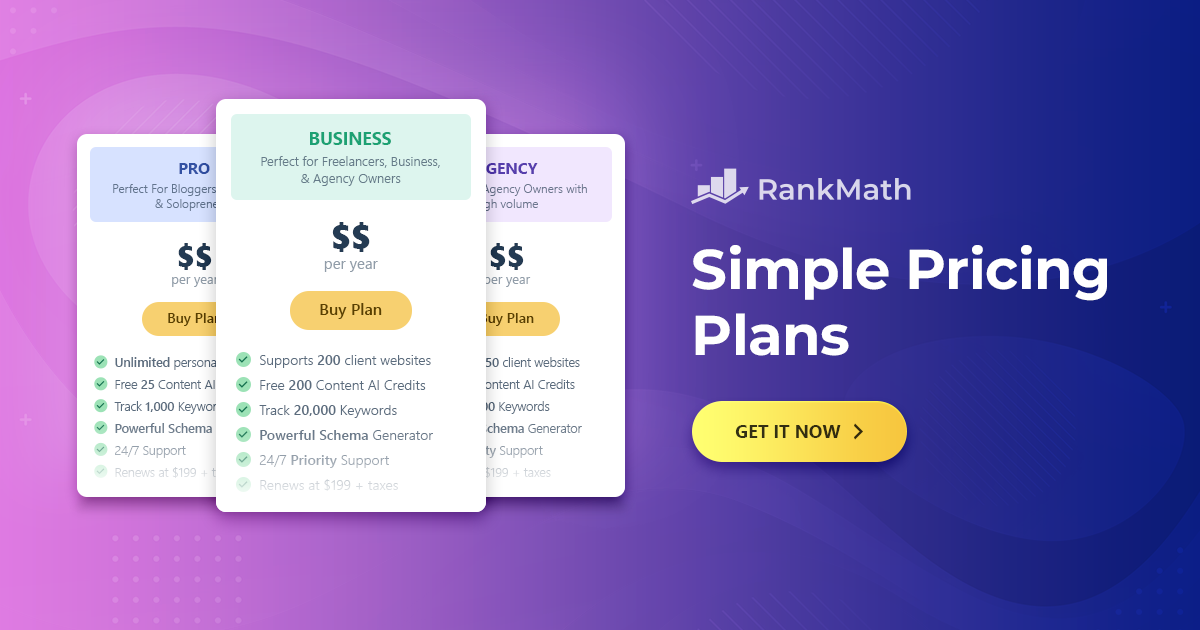
Tools like RankMath or Schema Pro simplify this process. They allow you to add structured data without writing raw JSON-LD code. For e-commerce sites, product schema is particularly critical. It ensures that your item’s price, availability, and star ratings are pulled correctly into AI responses and rich snippets. This visibility drives trust even when the user doesn’t click your link immediately.
Brand monitoring tools
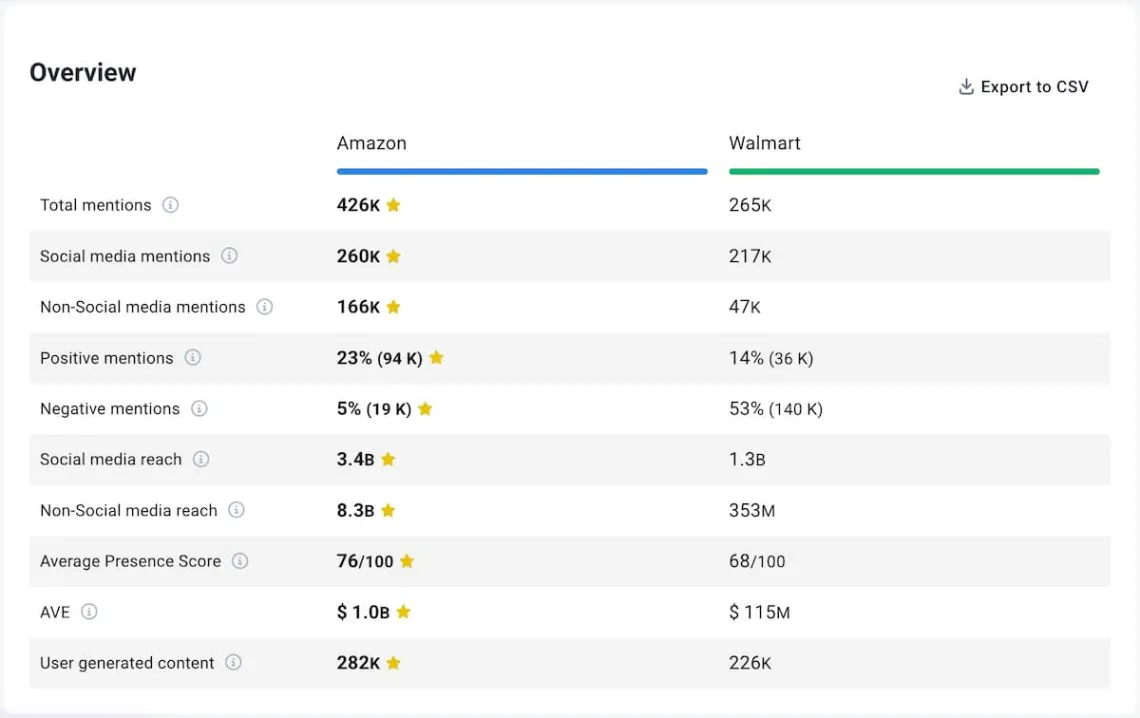
Zero-click visibility isn’t just about technical markup; it’s about reputation. You need to know when your brand is mentioned in AI-generated summaries, even if you didn’t provide the source material. If an AI overview cites a competitor but ignores your unique value proposition, you need to know why.
Tools like Brand24 or Mention track these digital conversations across the web. They alert you to unlinked brand mentions and sentiment shifts. In the context of AI Overviews, monitoring helps you identify gaps where your content should be appearing but isn’t. This data guides your content strategy, helping you create the specific answers that AI models are currently missing.
Key tools for AI visibility
To capture this new visibility, you need a stack that handles both structure and sentiment. The following products represent the current standard for managing zero-click strategies.

As an Amazon Associate, we may earn from qualifying purchases.
Implementing these tools shifts your strategy from chasing clicks to earning authority. When your data is structured and your brand is monitored, you remain visible regardless of whether the user clicks through or stays on the search page.
Checklist for your 2026 SEO stack
Your current toolset is likely built for a search landscape that no longer exists. In 2026, the priority has shifted from keyword stuffing to creating content that satisfies AI overviews. Use this checklist to audit your stack and ensure it supports this new reality.
Verify that your tools can track visibility in AI-generated answers, not just traditional SERPs. If your platform only reports on blue-link clicks, you are missing half your data. Look for features that monitor "position zero" and conversational snippets.
Ensure your analytics can measure Experience, Expertise, Authoritativeness, and Trustworthiness. Generic traffic metrics are no longer enough. You need tools that help you identify which content pieces are perceived as helpful by search algorithms and which are being bypassed by AI summaries.
Check if your strategy includes tactics to drive engagement even when users don't click through. Tools should help you optimize for brand recognition and direct traffic. If your analytics don't track branded searches or direct visits, you aren't measuring the full impact of your SEO efforts.

As an Amazon Associate, we may earn from qualifying purchases.
Start with these three checks. If your tools can't handle AI overviews, EEAT, or zero-click dynamics, it's time to upgrade.
Is SEO dead or evolving in 2026?
The short answer is no, SEO is not dead. However, the definition of what makes content "searchable" has shifted dramatically. In 2026, the focus has moved away from keyword stuffing toward creating genuinely helpful, clear content that AI systems can understand and cite.
Search engines are actively encouraging users to rely on AI overviews for quick answers. This means your traditional click-through rates may drop, but your visibility as a source of truth increases if your content is optimized for AI extraction. The goal is no longer just to rank for a keyword, but to be the most authoritative answer the AI can pull from.
This evolution rewards depth and clarity over manipulation. Tools that help you structure content for both human readers and AI parsers are now essential. Instead of fighting the algorithm, successful marketers are adapting their content strategy to fit the new AI-driven search landscape.
No comments yet. Be the first to share your thoughts!