

The 2026 layering blueprint
Spring 2026 layering is no longer about piling on heavy wool or bulky knits. The season’s defining shift is toward intentional volume and breathable fabrics that adapt to unpredictable transitional weather. Instead of drowning in fabric, the goal is strategic depth—mixing textures and lengths to create visual interest without the heat.
This approach relies on a precise hierarchy. You start with a light, moisture-wicking base and build outward, alternating volumes to keep the silhouette clean. Think of it as architectural dressing: each piece has a structural purpose. A lightweight linen shirt might sit under a slightly oversized, unlined blazer, while thin cotton trousers replace heavier chinos. The result is an outfit that feels substantial but moves with you.
The trick is to choose breathable fabrics, lightweight pieces, and smart styling techniques that keep you cool while elevating your look.
To execute this, focus on texture mixing rather than color blocking. A smooth silk camisole under a nubby knit cardigan creates more depth than two similar fabrics. By prioritizing airflow and intentional fit, you can handle the spring chill without overheating, keeping your style sharp and functional.
Start with a lightweight base
The first layer determines whether your spring outfit feels breezy or stifling. Breathable fabrics like linen and cotton act as the foundation of the look, wicking moisture and allowing air to circulate against the skin. Without a proper base, even the most stylish mid-layers will trap heat and cause discomfort as temperatures rise.
Choose pieces that offer structure without weight. A well-fitted linen button-down or a soft cotton tee provides a clean canvas for subsequent layers. These materials breathe naturally, adapting to the fluctuating temperatures of spring mornings and warm afternoons.
Here are four versatile base layer options that prioritize comfort and style:


As an Amazon Associate, we may earn from qualifying purchases.
Selecting the right base layer ensures that your spring wardrobe remains functional and fashionable throughout the season.
Add Volume with Oversized Shirts
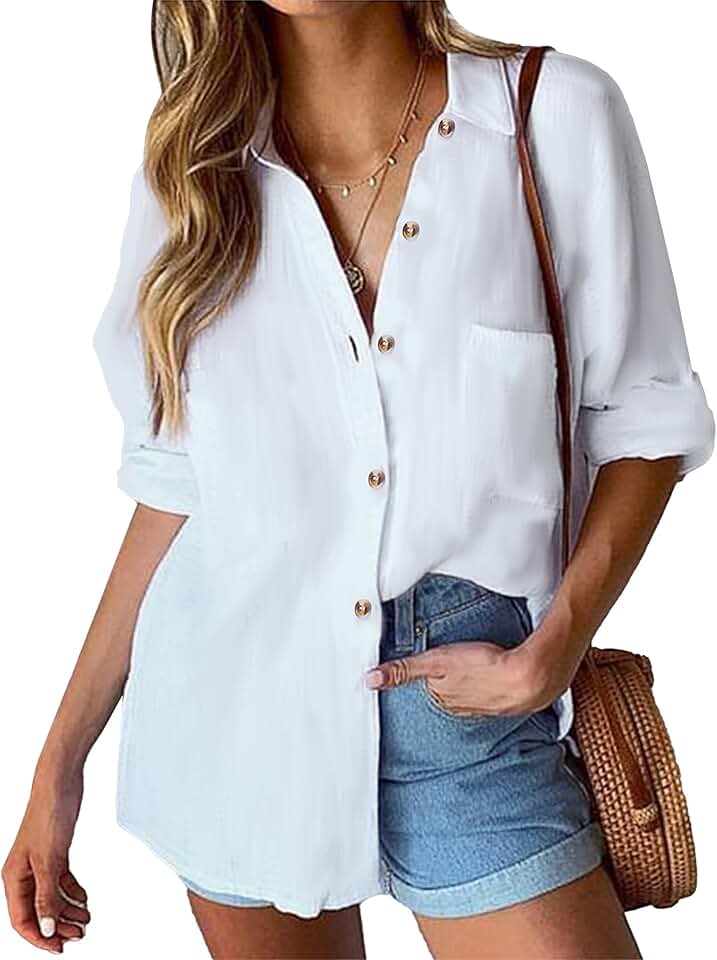
Oversized button-downs are the backbone of spring layering because they create immediate visual depth without adding bulk. By choosing a shirt that sits comfortably off the shoulder, you establish a silhouette that works whether you wear it closed as a top or open over a tee. The key is proportion; the shirt should drape loosely to allow for movement and airflow, which is essential as temperatures rise.
When wearing an oversized shirt open, treat it like a lightweight jacket. Pair it with a fitted tank or crop top underneath to balance the volume. If you button it up, leave the bottom few buttons undone or knot the hem to define your waist. This versatility makes the oversized shirt a high-impact staple that transitions easily from day to night.
To find the right fit, look for fabrics like linen or lightweight cotton that hold their shape without clinging. Here are some top-rated oversized shirts that offer that perfect drape for spring layering.


As an Amazon Associate, we may earn from qualifying purchases.
Layer with lightweight knits
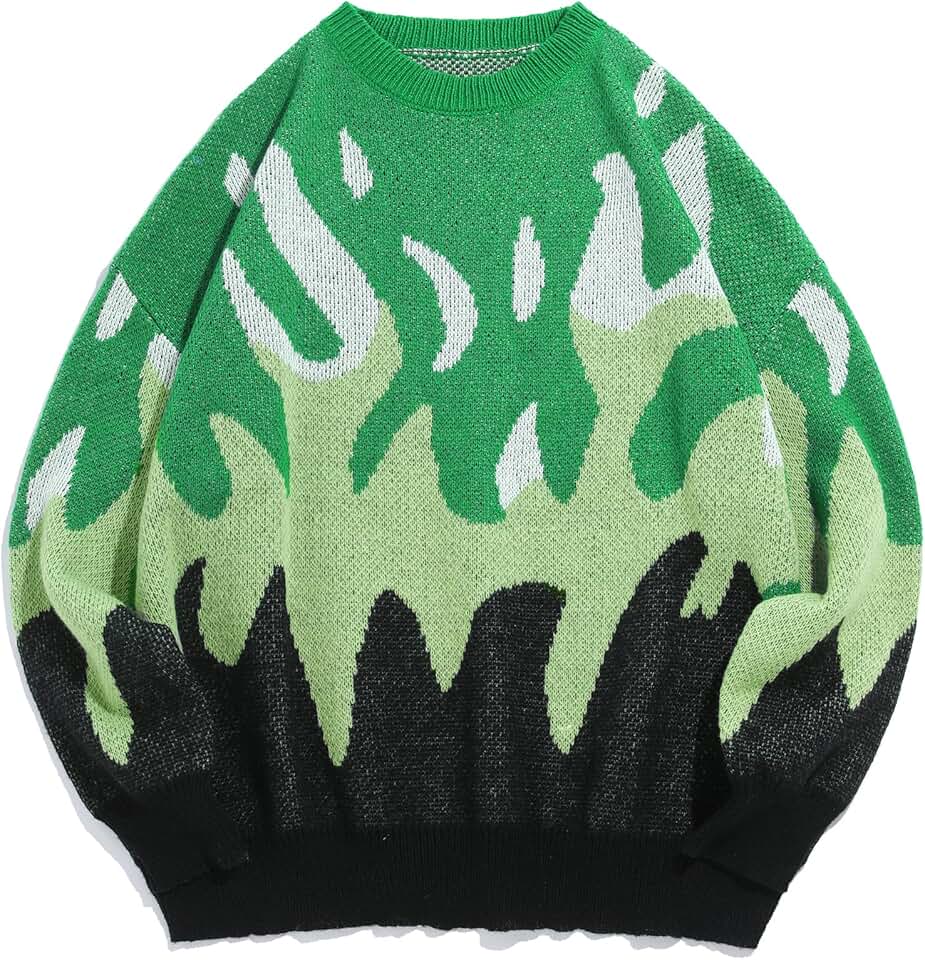
Spring weather is unpredictable, swinging from chilly mornings to warm afternoons. Lightweight knits solve this problem by adding warmth and texture without the bulk of winter wool. A thin turtleneck or merino sweater acts as a versatile middle layer that breathes well when temperatures rise.
These pieces work best when made from natural fibers like cotton, linen blends, or fine merino wool. They drape smoothly under blazers or over shirts, creating depth without restricting movement. The goal is to look polished, not puffy.
Finding the right fit is critical. Look for items with a slight stretch or a relaxed silhouette that accommodates a t-shirt underneath. Avoid stiff, heavy gauges that add visual weight. Instead, prioritize fine-knit structures that lay flat against the body.


As an Amazon Associate, we may earn from qualifying purchases.
Finish with Light Jackets
The final layer is what turns a simple outfit into a spring look. You want pieces that add structure without adding weight. Think of it as the frame for your outfit; it should hold everything together without overwhelming the canvas.
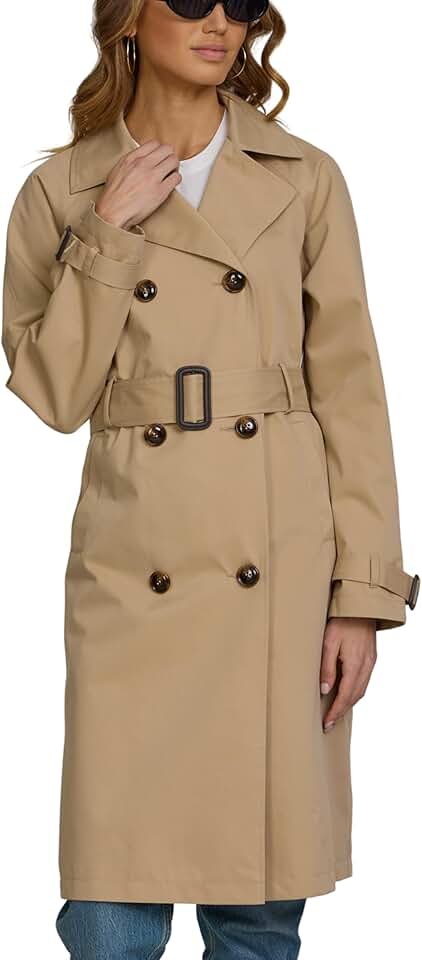
An unstructured blazer is the easiest upgrade. It works over a t-shirt or a light knit and keeps things polished. A denim jacket adds a bit of texture and edge. A trench coat offers a classic silhouette that works in the rain or shine. These pieces bridge the gap between warm days and cool evenings.
Here are some light jackets that work well for spring layering.


As an Amazon Associate, we may earn from qualifying purchases.
Pick one that matches your vibe. If you want clean lines, go for the blazer. If you prefer casual cool, the denim jacket is your best bet. For something timeless, the trench coat never misses.
Mix textures and colors
Building visual depth in spring 2026 relies on contrasting materials rather than adding bulk. Pairing a lightweight linen button-down with a crisp cotton poplin creates a breathable, textured look that holds up in shifting temperatures. The key is alternating volumes: start with a fitted base and layer outward with looser, airy fabrics like silk or rayon.
To anchor the outfit, introduce a pop of color through your accessories. A structured leather bag or a woven straw hat adds a tactile counterpoint to soft knits or smooth cottons. This approach keeps the silhouette light while adding the sophistication that defines the season's best layering pieces.
Avoid Common Layering Mistakes
Even the best spring layering staples can fall flat if the execution is off. The most frequent pitfall is overheating. Spring weather shifts rapidly, so building a base that traps too much heat will leave you uncomfortable by midday. Stick to breathable fabrics like linen or lightweight cotton for your first layer.
Excessive bulk is the second enemy of effortless style. Piling on thick knits under a heavy jacket creates a boxy silhouette that hides your shape. Instead, alternate volumes: pair a fitted turtleneck with a looser cardigan, or layer a slim tee under an open shacket. This creates visual depth without the weight.
Clashing patterns and textures can also derail an outfit. Mixing too many competing prints or heavy materials creates visual noise. Keep your palette cohesive and let one piece, like a textured blazer, do the talking. Use this quick checklist to keep your layers balanced and comfortable throughout the season.
- Choose breathable, lightweight base layers.
- Alternate fitted and loose silhouettes.
- Stick to a cohesive color palette.
- Limit patterns to one statement piece.
-
Breathable base layer selected
-
Volume alternates between layers
-
Colors complement each other
-
Only one statement pattern used
No comments yet. Be the first to share your thoughts!