

Link building strategy 2026: A layered approach
Effective link building in 2026 demands a balanced portfolio that mirrors a diversified investment fund. You cannot rely on a single asset class; instead, you must layer your backlink profile across different price points, domain ages, and content conditions. This approach ensures sustainable growth without triggering algorithmic penalties for unnatural patterns.
High-Authority Editorial Links
These are the premium assets of your strategy, typically costing $500–$2,000 per placement. They offer the highest domain authority transfer but require significant PR effort or sponsored content budgets. Prioritize sites with genuine editorial standards and real traffic, avoiding any network that sells links in bulk. These links provide the foundational trust signals your site needs to rank for competitive terms.
Mid-Tier Content Partnerships
Mid-tier links strike the best balance between cost and impact, often ranging from $100–$400. These usually involve guest posts on niche-relevant blogs or digital PR placements in smaller publications. The key is relevance: a link from a moderately authoritative site in your specific vertical is far more valuable than a generic high-DA link. Focus on building relationships with editors who understand your audience.
Low-Cost Automated Tactics
Low-cost links ($10–$50) include directory submissions, forum signatures, and automated blog comments. While cheap, these offer minimal SEO value and can become toxic if overused. Use these sparingly to maintain a natural link velocity profile. Think of them as the "filler" in your profile—necessary for volume, but never the core driver of your growth.
Compare the strongest link building options
Layering in 2026 isn’t just about stacking links; it’s about stacking value. Whether you are building a digital asset or dressing for the season, the principle remains the same: structure matters. This section compares the primary "layering" strategies emerging in 2026, drawing from defense planning, data readiness, and fashion trends to show how distinct approaches handle complexity.
Strategic Defense Layering
The 2026 National Defense Strategy emphasizes engaging counterparts through a wider range of formats. In a digital context, this translates to diversifying your link sources beyond standard directories. Instead of relying on a single high-authority domain, you layer engagement across varied, reputable channels to build resilience against algorithmic shifts.
Data Readiness Layering
For commerce brands, data layering is the foundation of growth. The 2026 Readiness Planning for AI and Data Strategy highlights auditing your data foundation first. This approach prioritizes clean, governed data over volume. A robust data layer ensures that every link built contributes to measurable outcomes rather than just vanity metrics.
Fashion-Inspired Layering
Vogue’s Spring 2026 guide to layering tricks offers a visual analogy for link building: intention over accumulation. Just as the collection celebrates "effortless elegance" with soft pastels and delicate lace, effective link building requires curated, relevant placements. Cluttered, irrelevant links disrupt the user experience, much like mismatched fabrics ruin an outfit.
Growth Strategy Layering
Sustainable growth in 2026 relies on fewer tools and clearer measurement. This strategy focuses on intentional use of AI to scale systems designed for real-world constraints. It’s not about building more links, but about building smarter ones that integrate seamlessly into your broader content ecosystem.
| Strategy | Primary Focus | Key Benefit | Main Risk |
|---|---|---|---|
| Defense | Format diversity | Resilience | Complex management |
| Data | Foundation audit | Measurable outcomes | Initial overhead |
| Fashion | Intentional curation | User experience | Limited scale |
| Growth | AI integration | Efficient scaling | Algorithm dependency |
Inspect the expensive parts
Link building budgets bleed fastest where errors compound. A single toxic backlink can trigger a manual penalty, wiping out months of authority gains. A broken link in your primary tier destroys the value of every upstream link pointing to it. You must audit these high-risk areas before scaling.
Check for these failure points to protect your investment.
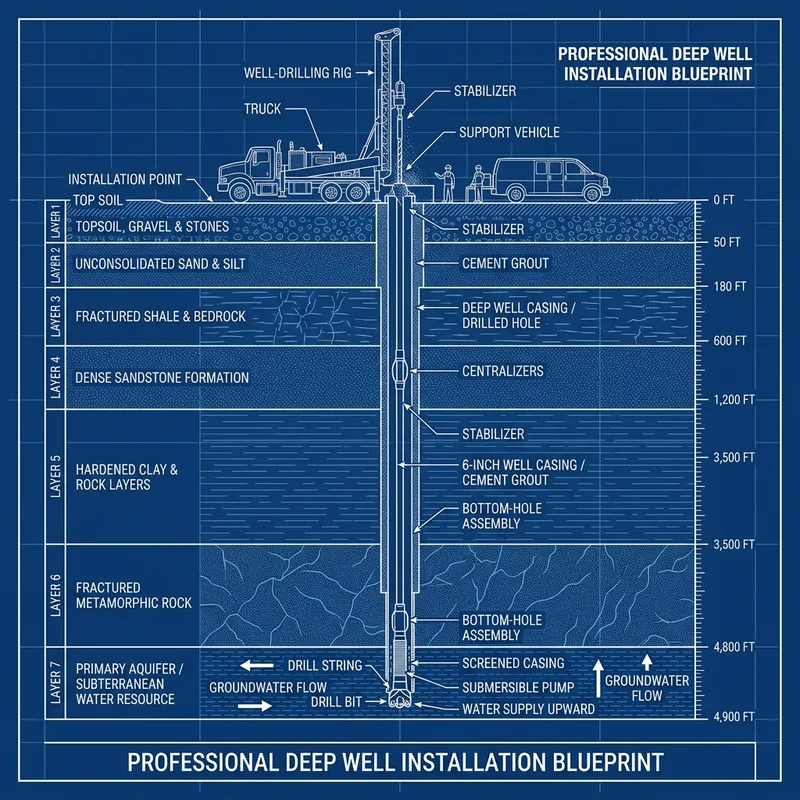
Old links lose value if the linking site drops in authority or traffic. Use a tool like Ahrefs to check the referring domain’s current DA and organic traffic trends. If the source site has lost over 30% of its traffic in the last six months, the link is likely dead weight. Replace or disavow these quickly.
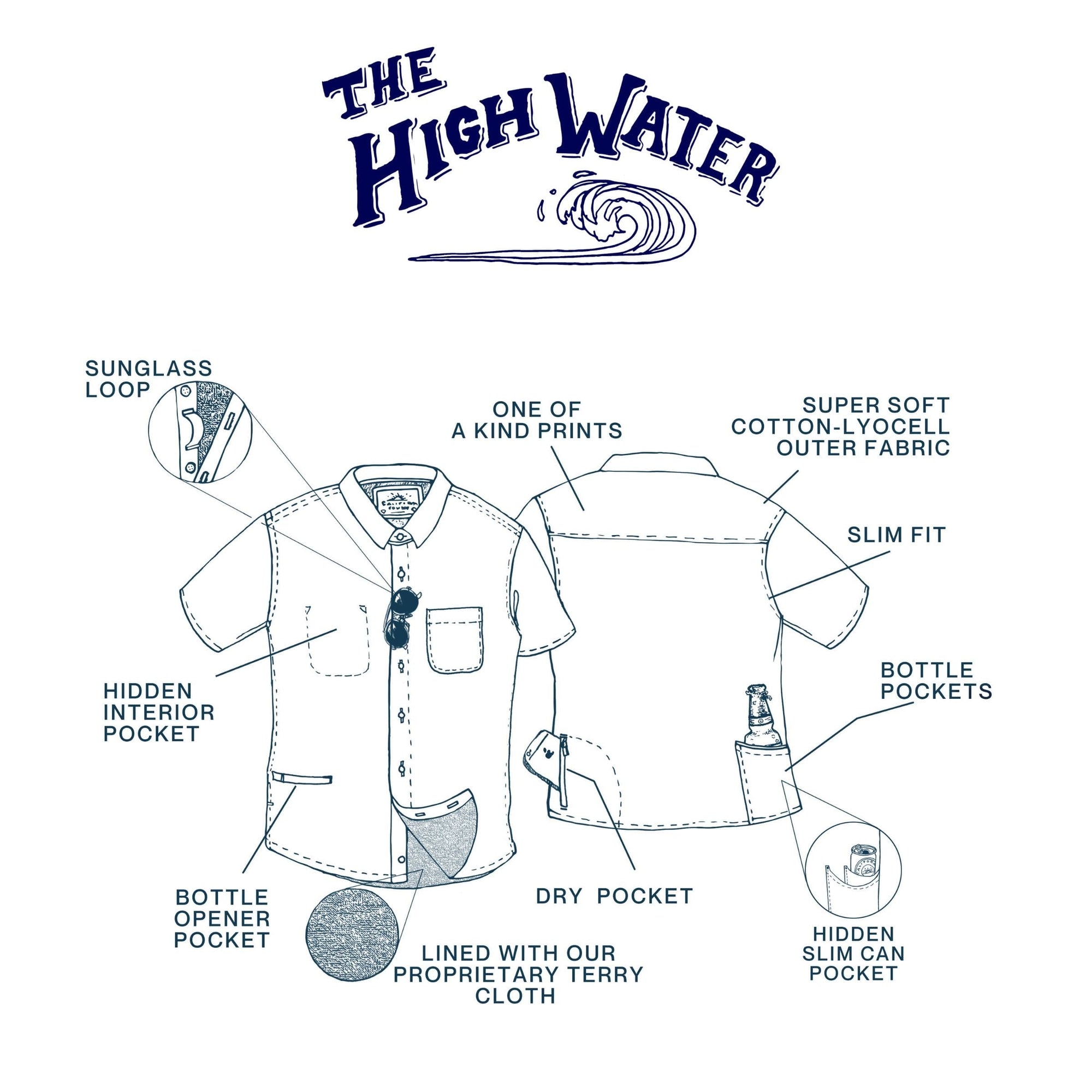
Tier 2 links support your primary money sites. If a Tier 2 page goes 404, the juice it was sending to your main site stops flowing. Run a monthly crawl of all Tier 2 URLs. Fix broken links by updating the content or redirecting to a live, relevant page on the same domain. Never leave a Tier 2 link pointing to nothing.
Over-optimized anchors trigger Google’s spam filters. If more than 10% of your backlinks use exact-match commercial keywords (e.g., "best running shoes"), you are at risk. Shift toward branded, naked URLs, or generic anchors like "click here." Natural diversity is your best defense against algorithmic penalties.

Links from irrelevant niches hurt more than they help. A link from a gambling site to a SaaS blog looks manipulative. Scan your backlink profile for topical mismatches. If a significant portion of your links come from unrelated industries, consider disavowing them or adding contextual bridges to make the connection logical.
Plan for ownership costs
A $99 jacket sounds like a deal until you factor in the hidden expenses of keeping it wearable. Ownership costs extend far beyond the checkout total, encompassing cleaning, repairs, and the inevitable replacement of worn components. When evaluating a layering piece, ask whether the maintenance routine fits your lifestyle or if the "cheap" buy will become a costly regret.
Cleaning and care
Dry-clean-only garments carry a significant recurring cost. A single professional cleaning can run $15–$30, adding $100+ annually to a coat you wear weekly. Machine-washable fabrics offer lower long-term costs but may shrink or lose their shape faster if not treated carefully. Always check the care label before buying; if the instructions require special handling, the price tag is only half the story.
Repairs and alterations
Cheap fast-fashion layers often use glued seams or low-grade zippers that fail under stress. A $10 zipper replacement or a $20 hem adjustment can quickly exceed the original purchase price of a discount item. Investing in higher-quality construction means fewer repairs over time. If a garment requires frequent tailoring to fit properly, the ownership cost skyrockets.
Replacement frequency
Low-quality layers tend to pill, fade, or stretch out after a handful of washes. If you find yourself replacing a $50 sweater every winter, you are spending $150 over three years for the same coverage. A $150 merino wool sweater that lasts five years costs less per wear. Calculate the cost per wear to see which option truly saves money.

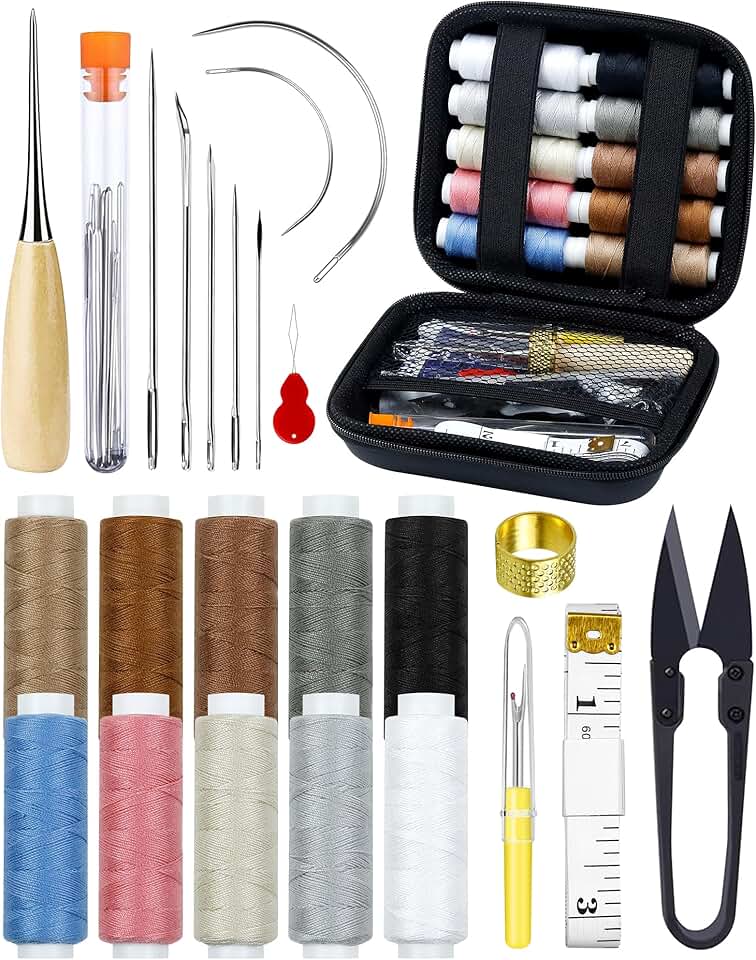
As an Amazon Associate, we may earn from qualifying purchases.
What to check next
Link building in 2026 is less about volume and more about structural integrity. The "DA layering" blueprint focuses on building a diverse, resilient backlink profile that withstands algorithm updates while driving sustainable organic growth. Here are the practical answers to the most common questions about this strategy.
The key to mastering this strategy is consistency. Regularly audit your backlink profile to ensure new links align with your layered structure. Avoid quick fixes; sustainable growth requires a long-term commitment to quality and relevance.
No comments yet. Be the first to share your thoughts!