
AI content strategy 2026 budget
Building a 2026 AI content strategy requires balancing tool costs with human oversight. The fastest path involves pairing subject-matter expertise with structured execution, using AI to analyze patterns at scale without losing your brand's voice. This approach minimizes waste by focusing on high-impact tasks rather than replacing entire workflows.
Your budget should reflect the tradeoffs between automation and authenticity. Cheap, generic AI tools often produce content that fails to engage or rank, leading to higher long-term costs. Investing in specialized tools that integrate with your existing tech stack ensures better data quality and compliance.
| Tool Category | Typical Use Case | Budget Impact |
|---|---|---|
| Research Assistants | Faster topic ideation and intent mapping | Low-Medium |
| Writing Co-Pilots | Drafting and structuring content | Medium |
| SEO Auditors | Technical health and pattern analysis | High |
Prioritize tools that offer clear ROI through time savings or improved ranking potential. Avoid spending on redundant features that duplicate existing capabilities. Instead, focus on platforms that enhance your team's ability to produce authoritative, zero-click-ready content efficiently.
Compare the strongest AI content strategy 2026 options
The 2026 SEO landscape rewards a hybrid approach: human expertise for structure and voice, paired with AI for scale and pattern recognition. Rather than choosing between pure automation and manual writing, the most effective strategies layer these tools to handle different parts of the content lifecycle. This comparison breaks down the core components of this strategy so you can see where each tool fits.
| Component | Role | Tools | Benefit |
|---|---|---|---|
| Research & Ideation | Discovery | Perplexity, Google Trends | Faster topic validation and intent mapping |
| Drafting & Structuring | Creation | Jasper, Writesonic | Rapid first drafts and outline generation |
| Editing & Voice | Refinement | Grammarly, Human Editors | Brand consistency and factual accuracy |
| SEO & Optimization | Distribution | Surfer SEO, Clearscope | Data-driven keyword integration |
| Analytics & Iteration | Improvement | Google Analytics, Ahrefs | Performance tracking and strategy adjustment |
This setup ensures that AI handles the heavy lifting of research and first-pass drafting, while human editors and specialized SEO tools maintain quality and relevance. The result is content that ranks well because it is both optimized for search algorithms and genuinely useful to readers. By treating AI as a collaborator rather than a replacement, you can maintain a consistent brand voice while scaling output to meet the demands of zero-click search environments.
Inspect the expensive parts
Before scaling your 2026 SEO strategy, audit the technical foundations that cause the most costly failures. AI-generated content and zero-click search behaviors shift the value from simple keyword stuffing to structural integrity and user intent alignment. If these core areas are flawed, no amount of volume will save your rankings.

Search engines increasingly prioritize first-hand experience and subject-matter expertise. Audit your AI-assisted content to ensure it includes unique data, expert quotes, or original analysis that generic models cannot replicate. If your content reads like a summary of existing web pages, it will struggle to rank against dedicated authorities.

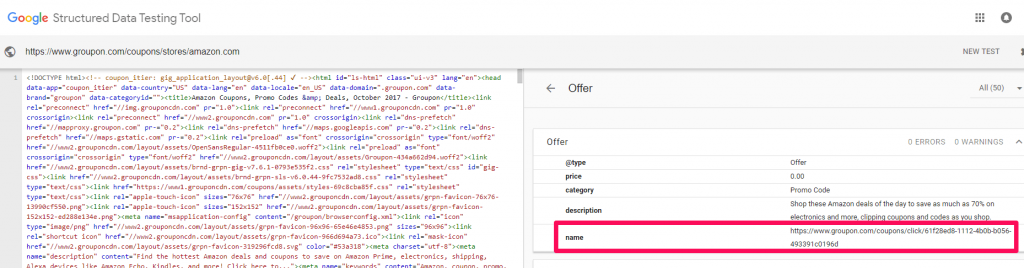
Zero-click searches rely heavily on schema markup to display rich results like FAQs, recipes, or product cards. Run a structured data test on your top-performing pages to ensure all required fields are present and error-free. Inaccurate or missing schema is a primary reason why your content fails to capture featured snippets or knowledge panel placements.

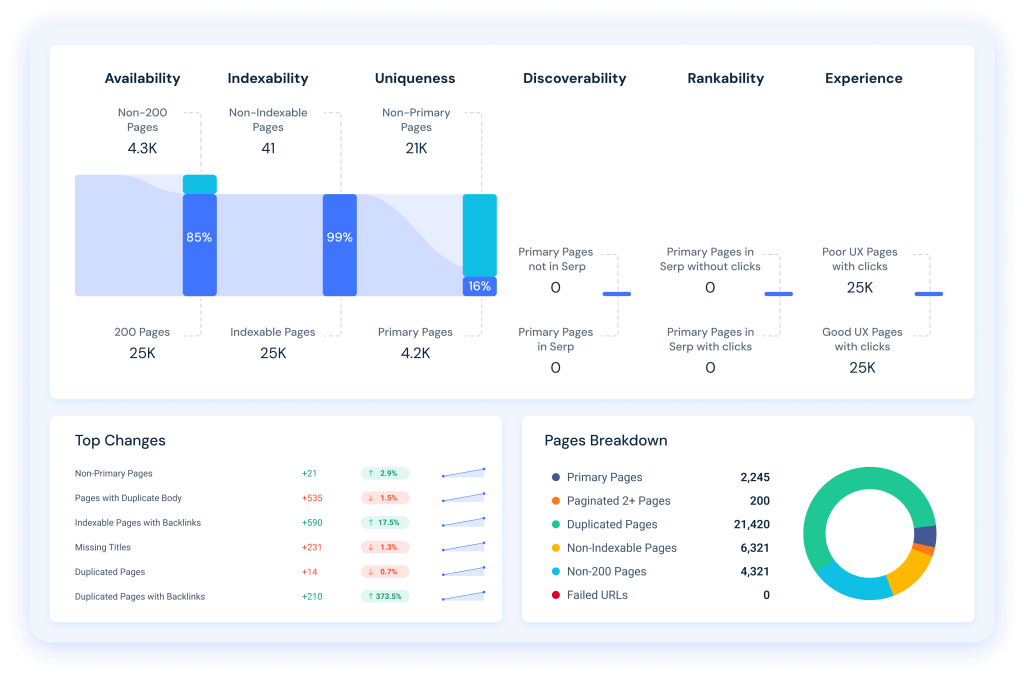
Scaling AI content often leads to accidental duplication across similar product pages or blog posts. Use a site crawler to identify pages with near-identical meta descriptions or body text. Consolidate thin or duplicate pages into comprehensive guides to concentrate your link equity and avoid internal competition for the same keywords.

Core Web Vitals remain a critical ranking factor, especially for mobile-first indexing. Inspect your top landing pages for layout shifts and slow server response times. A seamless mobile experience reduces bounce rates, which is essential when competing for attention in zero-click environments where users leave instantly if content is hard to read.
As an Amazon Associate, we may earn from qualifying purchases.
These checks prevent wasted effort on content that search engines will ignore. By fixing these expensive failure points early, you ensure that your 2026 SEO playbook is built on a foundation that can actually compete in an AI-driven landscape.
Plan for ownership costs
Buying a content generation tool is the easy part. The real expense comes from what happens after the initial subscription. Most SEO teams underestimate the time required to maintain accuracy, update outdated facts, and keep the output aligned with search engine guidelines.
AI models evolve rapidly. A prompt that works today may produce hallucinated data or generic fluff next month. You need a system for fact-checking and editing that doesn't rely on the AI to self-correct. This means budgeting for human review, not just software licenses.
Cheap tools often hide costs in API limits, extra seats, or premium features like brand voice training. If you are generating thousands of pages, those per-page costs add up. A $50/month tool can become a $500/month operation once you factor in the labor to fix errors and the infrastructure to host the content.
Maintenance surprises
The biggest surprise is usually the content decay. AI-generated pages age poorly because they lack real-time context. A list of "top tools" or "current trends" becomes obsolete within weeks. You need a schedule for refreshing these pages, which means more editing time and potentially more API calls to update specific sections.
Another hidden cost is the risk of over-optimization. Search engines are getting better at detecting thin, AI-heavy content. If your strategy relies on volume without depth, you may face penalties that require costly recovery efforts. This includes auditing backlinks, rewriting core pages, and rebuilding authority from scratch.
When a cheap buy stops being cheap
A low-cost tool makes sense for testing or small-scale experiments. But if you are building a serious content engine, the savings vanish when you account for the quality gap. High-quality content requires subject-matter expertise, structured editing, and strategic alignment. These are human skills that AI cannot fully replicate.
Consider the cost of lost traffic. If your AI-generated content fails to rank because it lacks depth or accuracy, you are paying for nothing. The opportunity cost of missed organic traffic often exceeds the price difference between a cheap and a premium tool.
Recommended tools for content workflows
Choosing the right tools depends on your specific needs. Here are some options that support efficient content creation and editing workflows.


As an Amazon Associate, we may earn from qualifying purchases.
Next steps for your AI content strategy
The 2026 SEO landscape demands a shift from volume to verification. As AI-generated content saturates search results, standing out requires a strategy that prioritizes trust over speed. Below are the most pressing questions marketers face when adapting their content operations for this new era.
Success in 2026 comes from treating AI as a force multiplier for human expertise, not a replacement for it. By focusing on verification and strategic alignment, you can navigate zero-click searches while building lasting audience trust.
No comments yet. Be the first to share your thoughts!