

In 2025, the conversation around blockchain scalability and data availability has shifted from theoretical debate to practical deployment. The rise of modular blockchain architecture is not just a technical upgrade - it is a paradigm shift that directly addresses the persistent bottlenecks that have limited mainstream adoption of decentralized technologies. With modularity, blockchains now decouple core operations, allowing for unprecedented flexibility and throughput.
Why Modularity Became Essential in Blockchain Infrastructure
The monolithic approach of early blockchains like Bitcoin and Ethereum bundled consensus, execution, and data availability into a single layer. This design was simple but ultimately unsustainable as network activity surged. By 2025, the global blockchain market is projected to hit $1.4 trillion, and with this growth comes an urgent need for sustainable scaling solutions (WebBuddy LLC). Monolithic chains are inherently limited by their weakest link; if execution lags or data propagation slows, the entire network suffers.
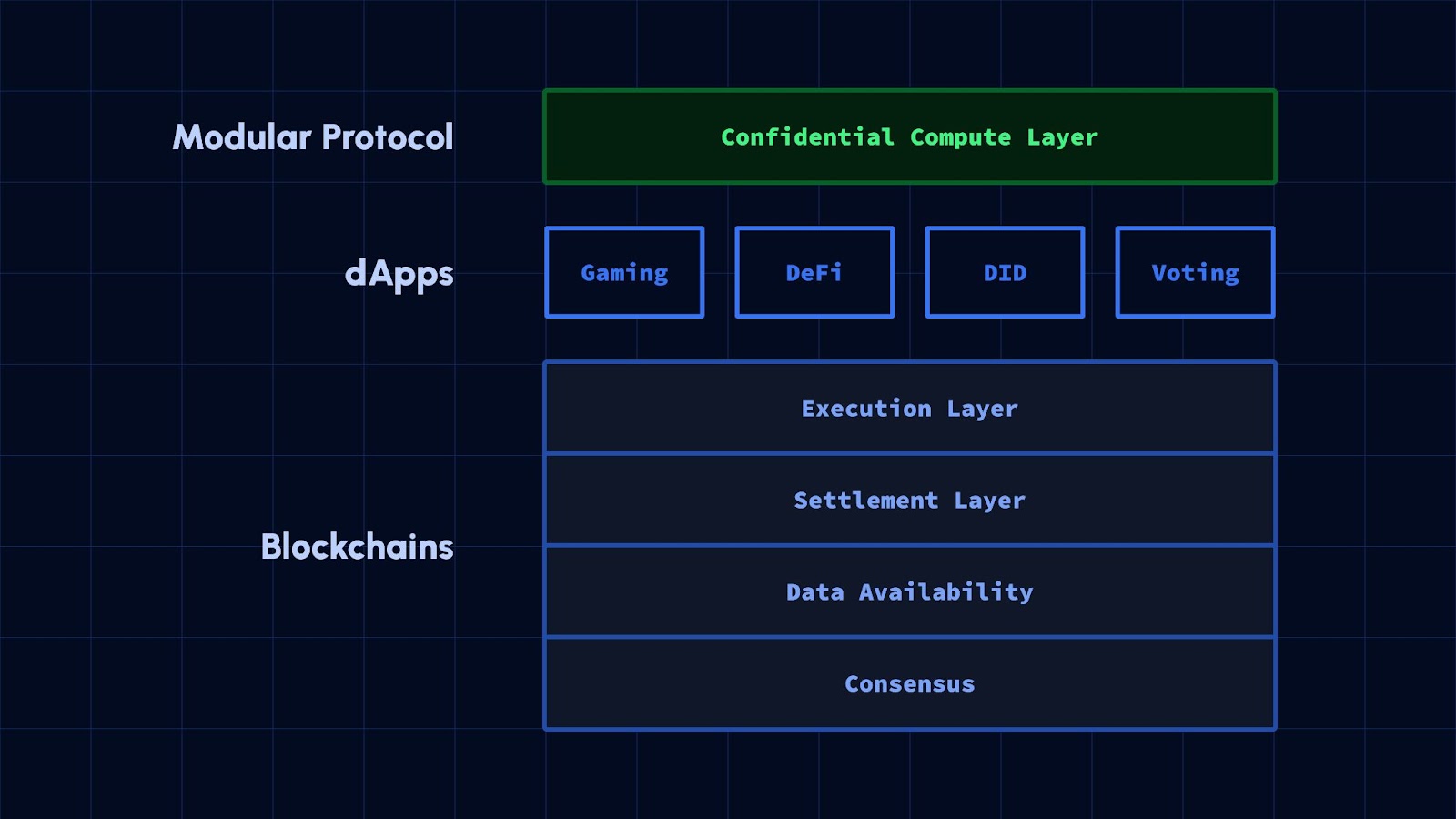
Modular blockchains solve this by splitting responsibilities:
- Execution Layer: Handles transaction processing and smart contract logic.
- Consensus Layer: Orders transactions and maintains network security.
- Data Availability Layer (DAL): Ensures all necessary transaction data is accessible for verification.
This decoupling enables each layer to specialize and scale independently - a breakthrough that is redefining how new chains are built and deployed. For deeper insights on these specialized chains, check out our detailed guide here.
The Data Availability Revolution: More Than Just Scale
Data availability layers have rapidly become the backbone of modular architectures. In traditional systems, every node must download entire blocks to verify transactions - a process that quickly becomes unwieldy as block sizes grow. In contrast, DA layers like Celestia use advanced techniques such as data availability sampling, enabling nodes to verify block data without downloading everything (Binariks; SubQuery Medium). This innovation slashes hardware requirements for validators while maintaining robust security guarantees.
The result? Networks can support thousands of independent rollups or dapps with minimal friction. Projects like Celestia are leading this charge by providing dedicated consensus and DA infrastructure that developers can leverage without building from scratch. Meanwhile, Polkadot’s relay chain model demonstrates another flavor of modularity by letting parachains handle custom execution while relying on shared security at the base layer.
Pushing Past Execution Bottlenecks Through Layered Design
If you’ve followed blockchain development since 2017’s ICO boom or DeFi’s explosive growth in 2020-21, you know execution bottlenecks have always been a pain point. Gas spikes on Ethereum during NFT mints or DeFi yield wars were just symptoms of deeper architectural limits. In today’s landscape, modular DA solutions, combined with rollups (such as zkSync Era), allow off-chain batching of transactions before posting compressed proofs to base layers (Mokshya Protocol; Medium. com web3 megatrends). This means networks can process exponentially more transactions without sacrificing decentralization or composability.
The implications go beyond raw throughput; they enable new business models for consumer L2s and sovereign rollups tailored to specific use cases - gaming chains with ultra-low latency or financial L2s optimized for compliance. These innovations are not hypothetical: Arbitrum, Manta Network, Optimism, Berachain - all top projects in 2025 - owe their success to embracing modular principles (CryptoNinjas; Onchain predictions). For an advanced look at how parallel execution further unlocks scalability in DA layers, see our analysis at this link.
As modular blockchains mature, the developer experience and user expectations are rapidly evolving. Gone are the days when launching a new decentralized application (dapp) meant inheriting the scaling woes of a monolithic chain. In 2025, modular DA layers empower builders to select the optimal stack for their needs, choosing best-in-class solutions for execution, consensus, and data availability from a growing ecosystem of specialized providers.
This shift is not just technical; it’s fundamentally changing the economics of blockchain participation. Lower hardware requirements and streamlined data verification mean more validators can join networks, driving up decentralization and security. With data availability sampling, light nodes can confidently validate blocks without massive storage or bandwidth investments, a game-changer for global inclusion and censorship resistance.
How Modular Architectures Future-Proof Blockchain Scalability
Looking forward, the flexibility of modular design positions blockchains to adapt to future demands that we can’t yet predict. As new cryptographic primitives emerge or regulatory landscapes shift, individual layers can be upgraded or swapped out with minimal disruption to the wider network. This plug-and-play ethos is already attracting enterprise adoption and institutional capital that previously balked at blockchain’s rigid architectures.
Interoperability is another major win: modular chains can natively support cross-chain communication protocols, enabling seamless asset transfers and composability across ecosystems. This unlocks use cases ranging from decentralized finance (DeFi) aggregators spanning multiple rollups to gaming platforms where assets move freely between chains optimized for different workloads.
For those tracking blockchain scalability in 2025, it’s clear that execution bottlenecks are no longer an insurmountable obstacle. The combination of rollup-centric scaling and robust data availability layers is delivering Web2-level performance, without compromising on decentralization or permissionless innovation.
What Comes Next: The Roadmap for Modular DA Solutions
The next wave of innovation will focus on optimizing interoperability between modular stacks and further democratizing access to validator roles through zero-knowledge proofs and lightweight clients. Expect fierce competition among DA providers as they race to offer lower costs, higher throughput, and more flexible integration options for sovereign rollups and consumer L2s.
If you’re building in this space or researching next-generation blockchain infrastructure, staying ahead means understanding how these pieces fit together, and how they’ll evolve as demand grows. For a deeper dive into how DA layers prevent fragmentation across modular blockchains, check out our comprehensive guide here.
The bottom line? Modular blockchain architecture isn’t just solving yesterday’s problems, it’s opening doors to tomorrow’s decentralized economy. As the market surges toward $1.4 trillion in value, only those ecosystems that embrace specialization, composability, and robust data availability will have the agility to thrive in an increasingly dynamic landscape.




No comments yet. Be the first to share your thoughts!