
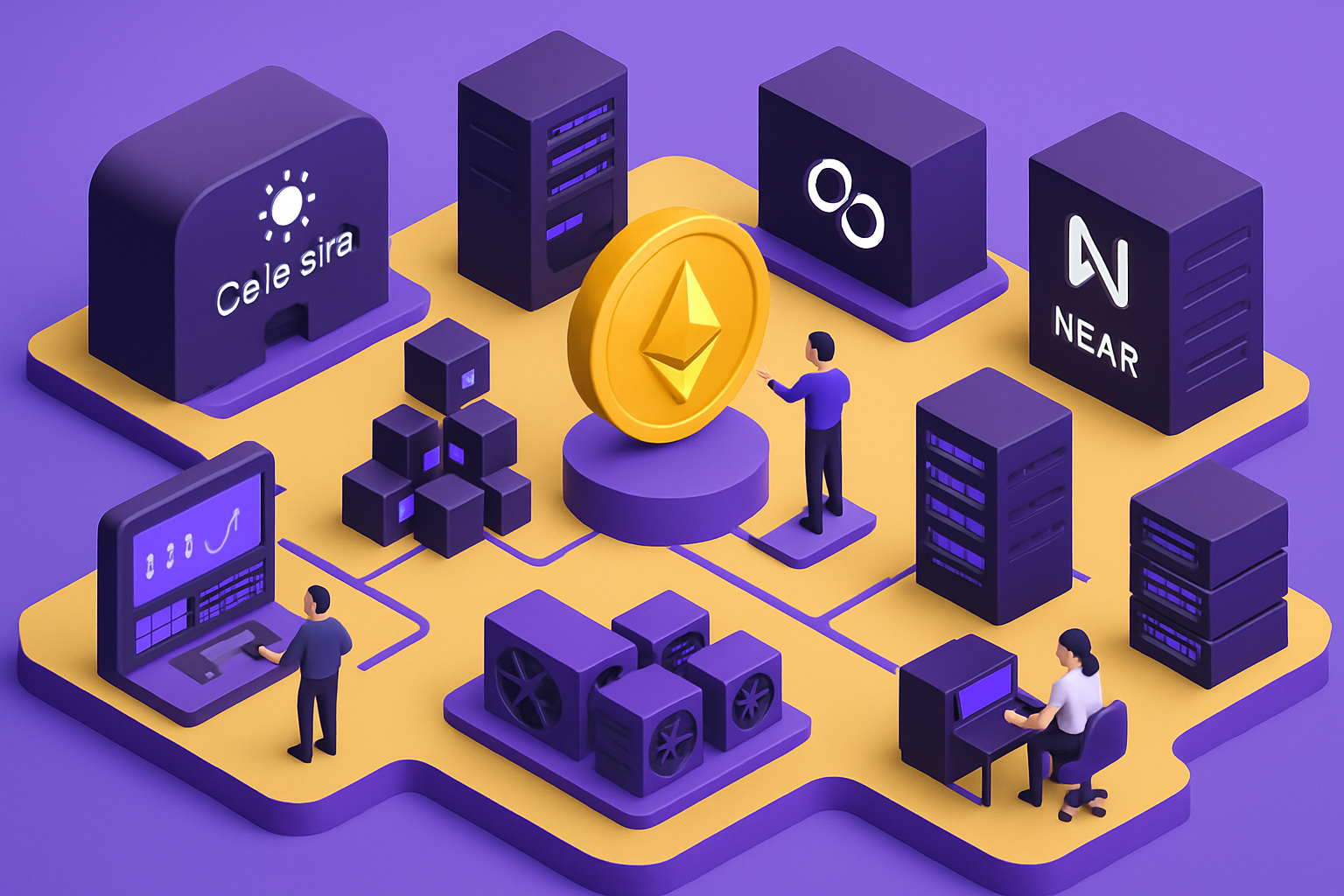
Modular data availability (DA) layers are the unsung heroes behind blockchain’s latest leap in scalability and composability. In 2025, as rollup-centric architectures become the norm, the conversation has shifted from raw throughput to seamless cross-rollup interaction. This is where modular DA solutions like Celestia, EigenDA, Avail, Near Data Availability (Near DA), and Polygon Miden DA are changing the game. Let’s break down how these top five platforms are enabling a new era of cross-rollup composability, and why they matter for anyone serious about building or investing in next-gen decentralized applications.
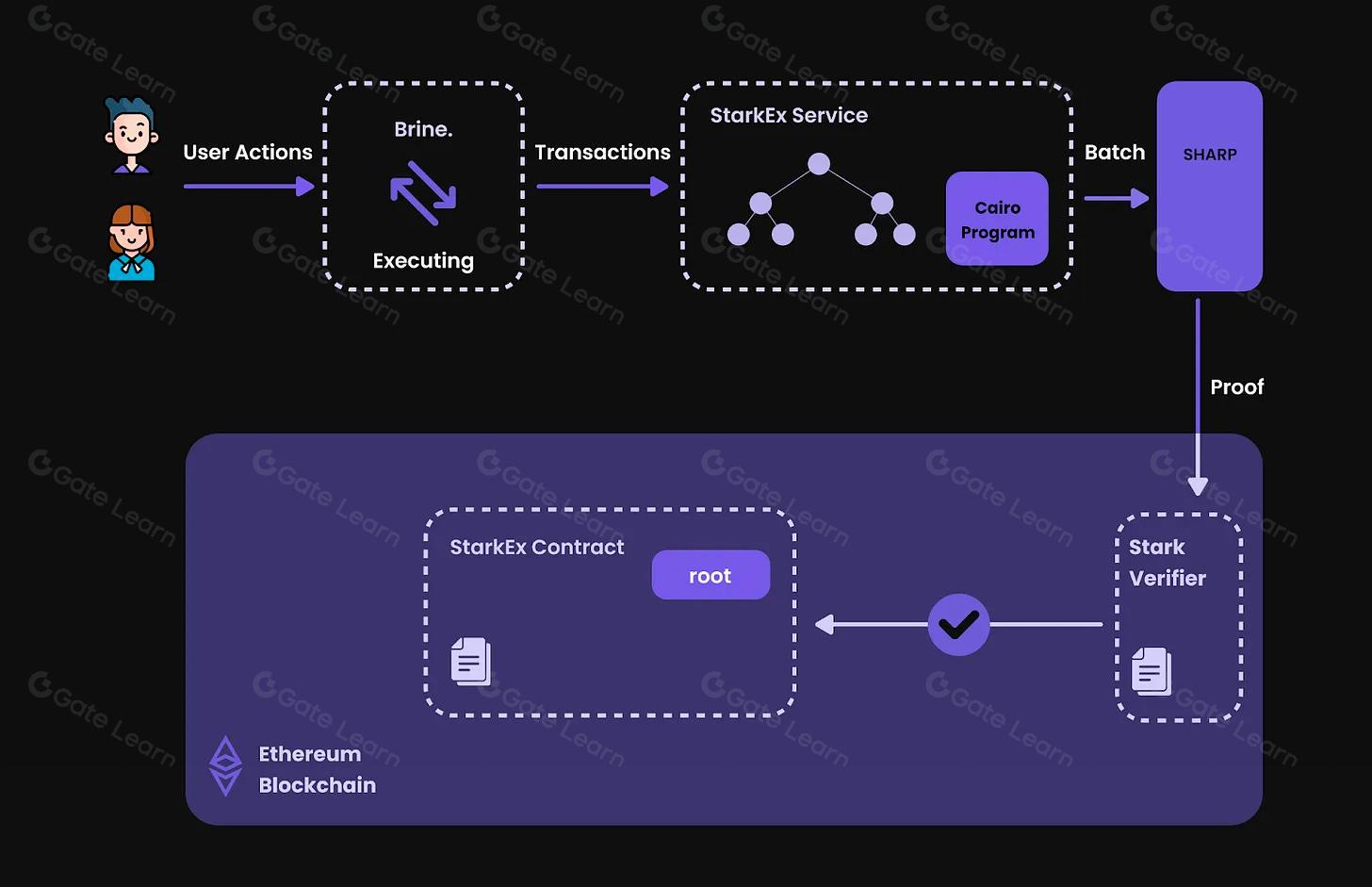
Why Modular Data Availability Matters for Cross-Rollup Composability
If you’ve been tracking blockchain scalability in 2025, you know the old monolithic chains just can’t keep up with demand. The modular approach splits consensus, execution, and data availability into specialized layers. The result? Each layer can scale independently, especially the DA layer, which ensures that all transaction data is reliably published and accessible for verification.
This separation is the key to cross-rollup composability. Instead of siloed rollups that can’t talk to each other without expensive bridging or trust assumptions, modular DA layers act as a shared source of truth. Multiple rollups post their data to a common DA layer, so now any rollup can verify another’s state changes and interact directly on-chain. The upshot: predictable settlement, lower latency for complex dApps, and an explosion of interoperability.
The Top 5 Modular Data Availability Layers Powering 2025’s Blockchain Ecosystem
Top 5 Modular Data Availability Layers (2025)
- Celestia: The pioneer in modular blockchains, Celestia delivers consensus and data availability without execution, enabling seamless scaling for rollups. Its Data Availability Sampling lets light clients verify data efficiently, making it a favorite for developers seeking high throughput and flexibility.
- EigenDA: Built on Ethereum via EigenLayer restaking, EigenDA provides secure, low-cost data availability as a service. It leverages erasure coding and cryptographic proofs for robust security, and is rapidly becoming the go-to DA solution for Ethereum rollups in 2025.

- Avail: Avail is a purpose-built base layer focused on data availability, supporting trust-minimized rollups and sovereign chains. Its design eliminates centralized DA committees, offering scalable and decentralized data access for next-gen blockchain applications.

- Near Data Availability (Near DA): Near DA extends the NEAR Protocol’s sharded architecture to offer modular data availability for rollups and L2s. Its focus on fast finality and low costs makes it an attractive option for projects seeking scalable, interoperable DA solutions.

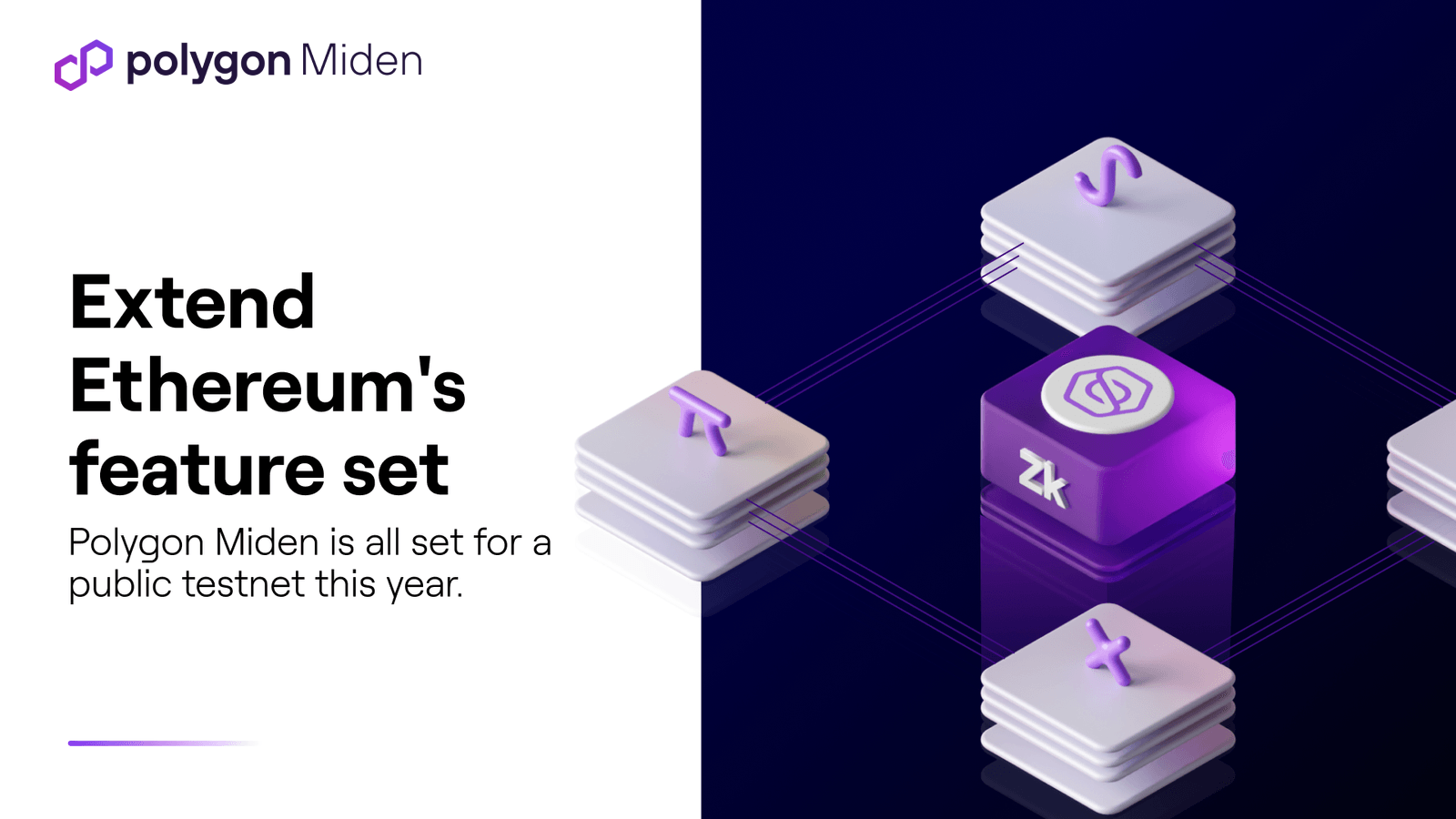
- Polygon Miden DA: Part of the Polygon ecosystem, Miden DA brings modular data availability to zk-rollups with a focus on privacy and scalability. It leverages STARK-based proofs and is designed to power advanced cross-rollup composability within the Polygon network and beyond.
Let’s spotlight the platforms leading this revolution:
- Celestia: The OG of modularity. Celestia pioneered decoupled consensus and DA using data availability sampling. Light clients only need to sample small pieces of each block to ensure its full publication, making it possible for thousands of rollups to share one scalable DA backbone.
- EigenDA: Built atop Ethereum via EigenLayer restaking. EigenDA leverages erasure coding plus Ethereum-level security guarantees. It delivers high-throughput data availability at lower costs than posting blobs directly to mainnet, perfect for cost-sensitive consumer L2s.
- Avail: Designed for trust-minimized interoperability. Avail offers a secure base layer for Validiums and Sovereign Rollups by eliminating centralized Data Availability Committees (DACs). Its focus on stable DA costs is making it a favorite among developers looking for predictable economics.
- Near Data Availability (Near DA): Near Protocol’s answer to scalable modularity. Near DA supports fast finality and composable cross-chain applications by providing robust off-chain data guarantees that plug into both EVM-compatible rollups and WASM chains.
- Polygon Miden DA: Part of Polygon’s broader ZK strategy. Miden brings zero-knowledge proofs together with efficient off-chain storage, enabling privacy-preserving apps that still benefit from shared composable state across Polygon-powered L2s.
How Modular DA Layers Enable Next-Level Interoperability and Efficiency
The real unlock here isn’t just scaling up transaction throughput, it’s about making complex DeFi legos actually work across different chains without breaking atomicity or user experience. Modular data availability lets every participating rollup access a synchronized dataset, so smart contracts can call out across domains without waiting hours or paying sky-high fees.
This shift is also driving innovation in modular blockchain architecture design, blob markets (where users pay only for what they use), and new forms of predictable settlement between L2s. As more projects standardize around these top five solutions, expect competition on features like stable costs per byte published, and new primitives that make cross-rollup dApps viable at scale.
One of the most exciting trends in 2025 is how these modular DA solutions are laying the groundwork for a truly unified Web3. Instead of fragmented liquidity and isolated ecosystems, developers can now build dApps that natively span multiple rollups, leveraging the same data layer for instant, trust-minimized interactions. This means cross-chain swaps, lending protocols, and even complex gaming economies can function seamlessly, all powered by the shared security and accessibility of platforms like Celestia and EigenDA.
Near DA and Polygon Miden DA are particularly noteworthy for pushing boundaries beyond EVM compatibility. Near’s WASM-first approach and Miden’s ZK-powered privacy features are attracting a wave of new builders who want composability without compromise. Meanwhile, Avail is carving out a niche as the go-to DA layer for projects prioritizing predictable settlement costs, a huge win in an era where gas price volatility can kill UX.
Stable DA Costs: The New Competitive Edge
The race isn’t just about throughput anymore, it’s about cost predictability and economic sustainability. In 2025, leading rollups are flocking to DA layers with transparent pricing models. For example, Avail’s flat fee structure and EigenDA’s efficient use of erasure coding have made them prime choices for consumer-facing applications where every cent counts.
This focus on stable DA costs is also accelerating adoption among institutional players who need reliable budgeting for large-scale deployments. As more L2s migrate to these modular solutions, we’re seeing a virtuous cycle: increased usage drives further fee stability, which in turn attracts even more developers.
What’s Next? Composable dApps and the Road to Mass Adoption
The next wave of innovation will be all about composable dApps that blur the lines between chains, and these five modular DA layers are set to be at the heart of it all. Expect to see:
- Atomic cross-rollup swaps: No more clunky bridges, users move assets seamlessly across rollups sharing a common DA layer.
- Composable DeFi protocols: Lending, borrowing, staking, and trading across L2s with unified liquidity pools.
- NFT interoperability: Cross-chain NFT marketplaces where provenance is instantly verifiable via shared data roots.
- ZK-powered privacy apps: Polygon Miden’s approach lets users interact privately across public rollups without sacrificing composability.
- Sovereign rollup experiments: Near DA and Avail empower independent chains to plug into broader ecosystems while retaining their own governance models.
The upshot? Modular data availability isn’t just a backend upgrade, it’s transforming what’s possible at the dApp layer. If you’re building or investing in blockchain in 2025, understanding how Celestia, EigenDA, Avail, Near DA, and Polygon Miden DA fit into your stack isn’t optional, it’s mission-critical.
No comments yet. Be the first to share your thoughts!