

As Web3 matures, the demand for scalable, low-cost, and secure blockchain infrastructure has never been greater. At the heart of this evolution are data availability layers (DA layers), which are fundamentally reshaping how rollups operate in the modular blockchain paradigm. By decoupling data storage from consensus and execution, DA layers enable rollups to achieve both affordability and trust minimization, two critical ingredients for mass adoption.
Why Data Availability Matters for Web3 Scalability
Rollups have emerged as a leading solution to Ethereum’s scalability bottleneck. They bundle transactions off-chain and submit succinct proofs back to Layer 1. But there’s a catch: if the underlying transaction data is not reliably available to all network participants, the security of these rollups collapses. This is where specialized data availability layers step in.
A DA layer ensures that every piece of transaction data posted by a rollup is both accessible and verifiable by anyone, not just a privileged committee or centralized party. This guarantees that validators can reconstruct the state of the rollup at any time, eliminating hidden dependencies and single points of failure.
The Modular Blockchain Stack: DA Layers in Action
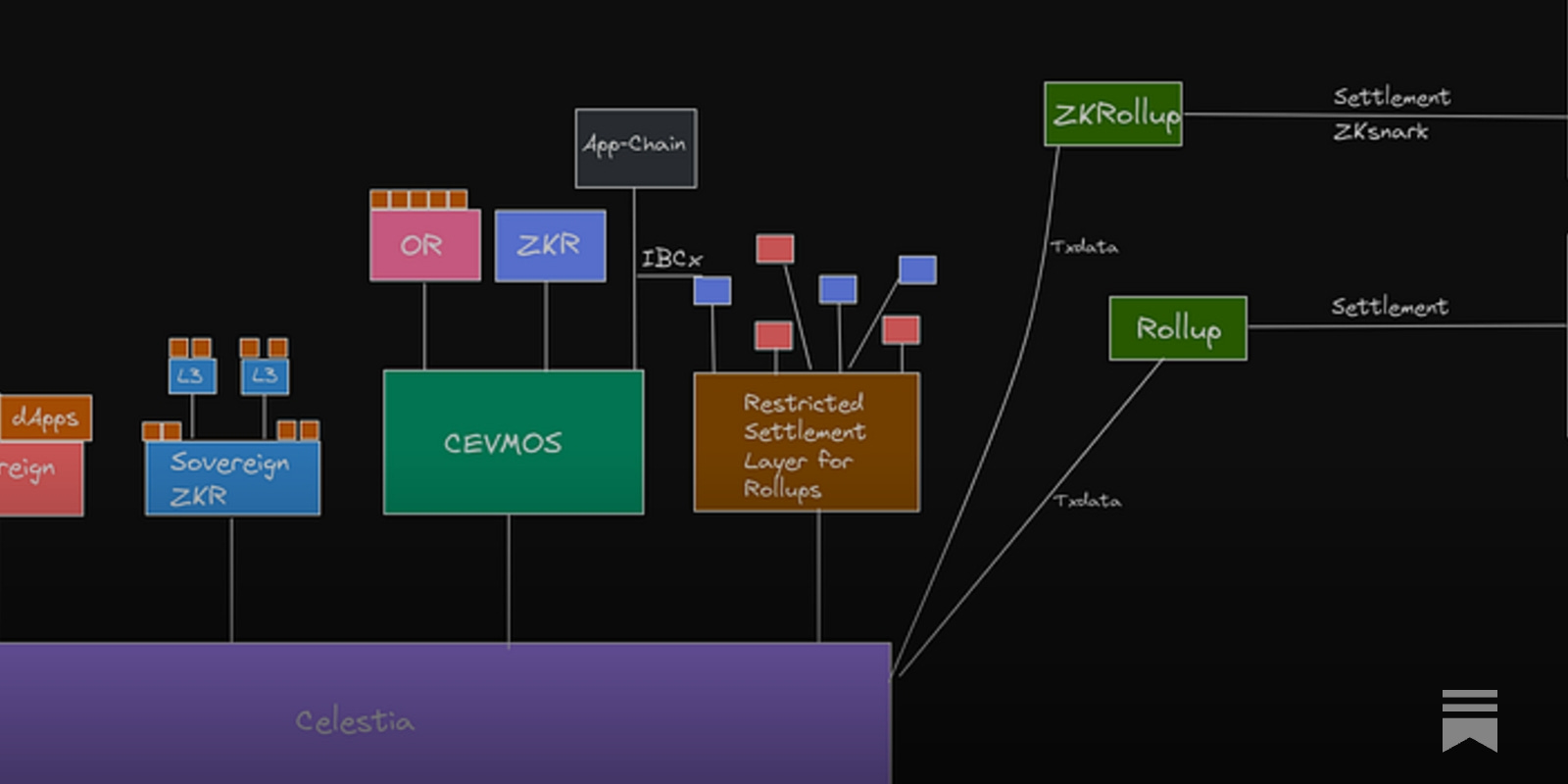
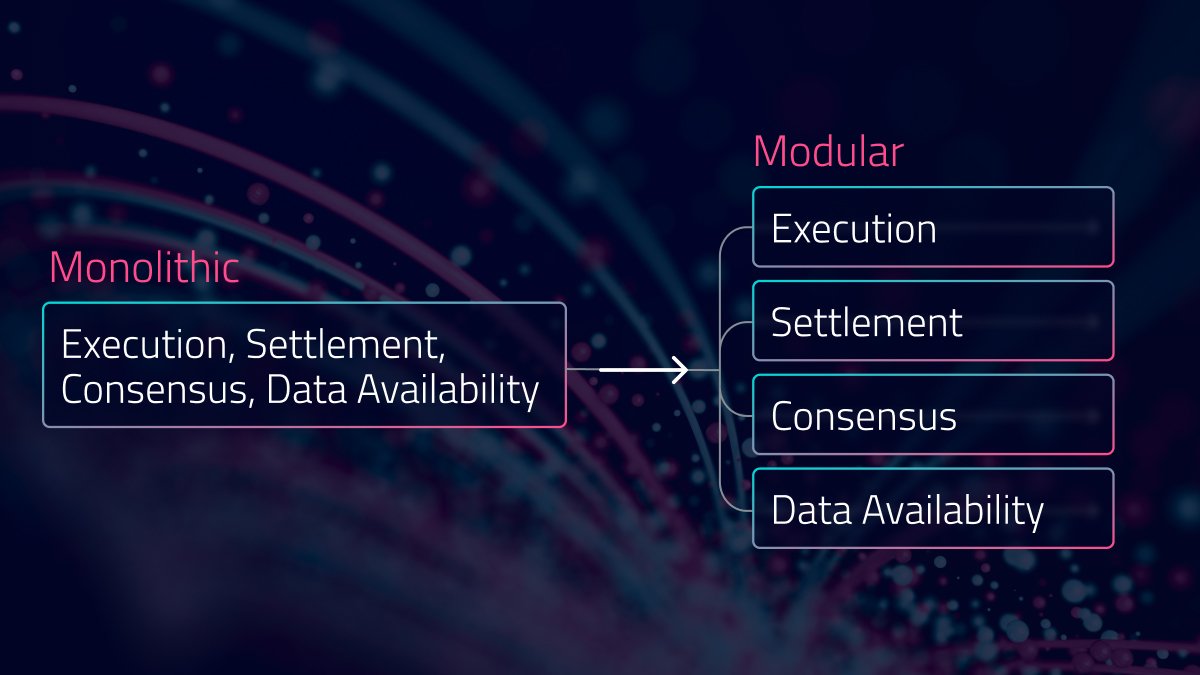
The new modular stack separates consensus, execution, and data availability into distinct components. Let’s break down how leading projects are pushing this model forward:
Key Features of Celestia, Avail, and NEAR DA for Rollups
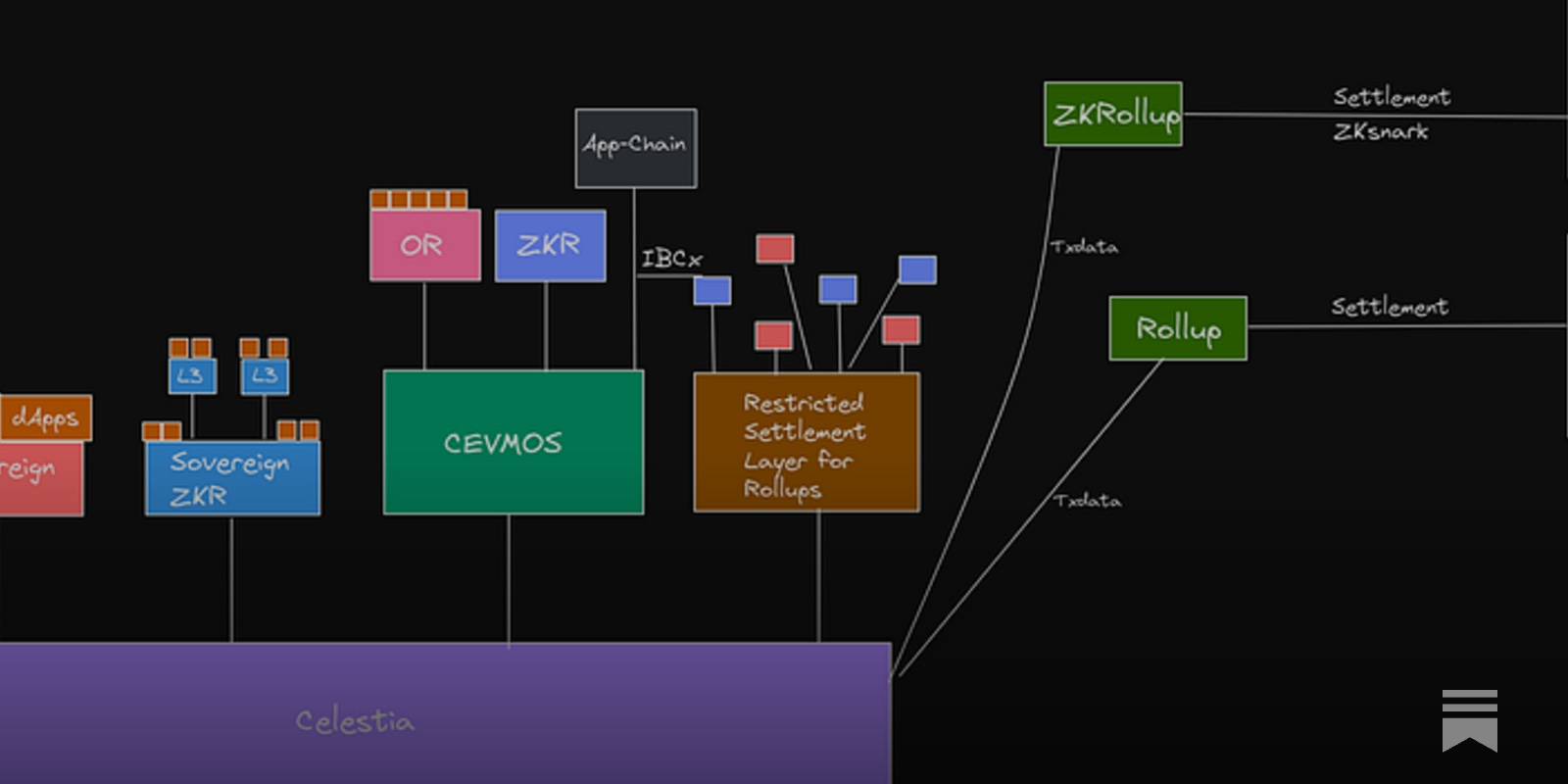
- Celestia: Implements Data Availability Sampling (DAS), allowing light nodes to verify data availability without downloading full blocks. Utilizes Namespaced Merkle Trees (NMTs) for efficient data organization, enabling nodes to access only relevant data segments. This modular approach enhances scalability and reduces the computational burden on participants.
- Avail: Offers a data-agnostic DA layer supporting multiple rollups and application-specific chains. Employs Data Availability Sampling and KZG commitments to guarantee data integrity and accessibility. Avail's architecture is designed for high scalability and security, facilitating efficient rollup development.
- NEAR Data Availability (NEAR DA): Provides a cost-effective DA solution for Ethereum rollups by leveraging NEAR’s secure blockchain infrastructure. Enables posting rollup data at costs up to 8,000 times cheaper than Ethereum, significantly lowering operational expenses for developers while maintaining scalability and reliability.
Celestia, for example, offers a permissionless network dedicated solely to scalable data availability. It introduces Data Availability Sampling (DAS), allowing light nodes to efficiently verify that all required data is posted without downloading full blocks. Namespaced Merkle Trees (NMTs) further optimize retrieval by letting nodes access only relevant segments, perfect for application-specific chains or rollups with diverse user bases.
NEAR Data Availability (NEAR DA) is another major entrant focused on cost efficiency. By leveraging NEAR’s high-throughput infrastructure, posting rollup data can be up to 8,000 times cheaper than on Ethereum mainnet, a game-changer for developers looking to minimize operational expenses while maintaining robust security guarantees.
Avail, meanwhile, takes a chain-agnostic approach with support for both sovereign rollups and app-chains across ecosystems. Its use of KZG commitments alongside DAS ensures that every byte of published data remains provably available, without relying on fraud proofs or centralized sequencers.
By making all data available and accessible to nodes, DA layers have the potential to ensure reliable security of rollups, the chances of hidden state transitions or withheld transactions drop dramatically.
The Economics: How Dedicated DA Layers Slash Rollup Costs
The economics behind this architectural shift are compelling. Traditional blockchains force every node to store all transaction data forever, a costly proposition as usage scales. In contrast, modular blockchains with external DA layers like Celestia or Avail let applications pay only for what they use while benefiting from shared security models.
This cost reduction isn’t theoretical, it’s already being realized in production environments:
- Lower posting fees: Rollup operators can publish call data at fractions of Ethereum mainnet prices thanks to specialized DA networks.
- No compromise on trust: Innovations like DAS allow even lightweight clients to independently verify that all necessary transaction data is present, no need for centralized committees or opaque bridges.
- Sustainable scaling: As more apps adopt modular stacks with affordable blockspace from external DA providers, congestion on Layer 1 diminishes while user experience improves across the board.
Data availability layers are more than just a technical upgrade, they are a paradigm shift in how Web3 applications can scale without sacrificing security or decentralization. By abstracting away the heavy lifting of data storage, DA layers empower developers to focus on building innovative rollups and dApps while enjoying predictable, low-cost infrastructure.
Real-World Impact: What Modular DA Means for Users and Developers
The practical benefits of modular data availability are already being felt across the ecosystem. For end users, this translates to faster, cheaper transactions and a smoother onboarding experience. For developers, it unlocks new design space, enabling everything from micro-rollups for niche communities to enterprise-grade chains handling millions of daily transactions.
Rollup Projects Leveraging Leading DA Layers
- Celestia-powered Rollups: Several rollup frameworks, such as Dymension and Rollkit, leverage Celestia’s modular DA layer. By utilizing Data Availability Sampling (DAS) and Namespaced Merkle Trees (NMTs), these rollups achieve low transaction costs and high throughput without sacrificing security.
- Avail-integrated Rollups: Projects like Polygon Miden and Ankr Rollup-as-a-Service are exploring Avail’s data-agnostic DA layer to provide scalable, trust-minimized blockspace. Avail’s use of KZG commitments and Data Availability Sampling ensures both data integrity and cost efficiency for rollup deployments.
- NEAR DA-backed Rollups: Caldera and Movement Labs have adopted NEAR DA to offer affordable data posting for Ethereum rollups. By leveraging NEAR’s secure and reliable blockchain infrastructure, these rollups can post data at a fraction of Ethereum’s cost, enabling economical and scalable rollup solutions.
Projects like 0G Labs are pushing the envelope further by experimenting with ultra-low-latency DA solutions tailored for high-frequency trading and real-time gaming applications. Meanwhile, established platforms such as Polygon have begun integrating external DA providers like Avail to expand their scaling toolkit, demonstrating that modularity is not just theoretical but highly practical.
Challenges and Open Questions in Data Availability
While the momentum is strong, several open challenges remain. How will cross-chain interoperability evolve as more chains adopt their own DA layers? Can KZG commitments and Data Availability Sampling continue to scale as user demand explodes? And what role will restaking or shared security models play in ensuring that DA networks remain robust against attack?
It’s clear that continuous research and experimentation will be needed. The community is actively debating optimal fee mechanisms, incentive structures for validators, and the best ways to coordinate upgrades across diverse modular stacks. But the direction is set: affordable blockspace with trust-minimized rollups is now within reach.
The Road Ahead: Modular Blockchains in a Multi-Chain Future
The rise of dedicated data availability layers like Celestia, Avail, NEAR DA, and soon others, signals a broader trend toward specialization in blockchain architecture. Rather than forcing every chain to do everything at once (consensus, execution, storage), we’re seeing an unbundling where each layer can optimize for its unique strengths.
This modular approach not only slashes costs but also reduces systemic risk by eliminating single points of failure. As more projects embrace this model, and as standards around KZG commitments and Data Availability Sampling mature, we can expect an explosion of creativity across DeFi, gaming, social networks, and beyond.
The future of Web3 scalability isn’t just bigger blocks or faster consensus, it’s about empowering every developer with affordable blockspace secured by provable data availability.
If you’re building or investing in next-generation blockchain applications, now is the time to explore how modular data availability can give your project a competitive edge. The era of low-cost, trust-minimized rollups has arrived, and it’s powered by purpose-built DA layers that put users first.




No comments yet. Be the first to share your thoughts!