
Decentralized finance (DeFi) is no longer confined to isolated blockchain silos. As the ecosystem matures, the demand for seamless liquidity and unified collateral across chains has never been higher. This is where modular data availability (DA) layers are reshaping the landscape, powering a new wave of cross-chain DeFi protocols that prioritize scalability, composability, and user experience.
Why Modular Data Availability Matters for Cross-Chain DeFi
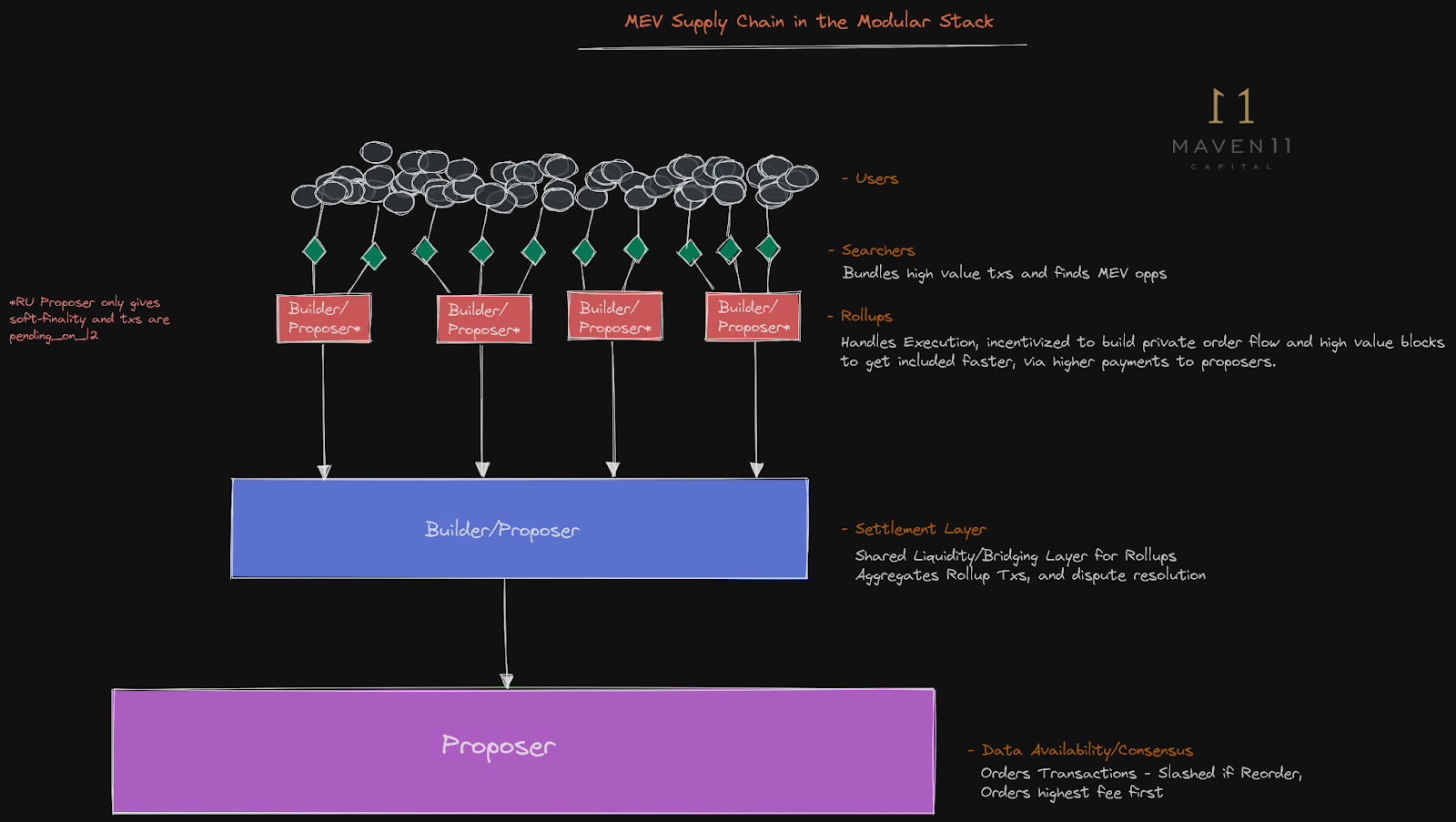
Traditional monolithic blockchains bundle consensus, execution, and data availability into a single stack. While this approach offers simplicity, it creates bottlenecks that limit throughput and make interoperability costly and complex. By contrast, modular blockchains decouple these functions. The DA layer specializes in ensuring all transaction data is accessible and verifiable, while execution and consensus layers focus on performance and security.
This separation is not just academic. DA layers like Celestia and Avail enable multiple execution environments, such as rollups or app-chains, to post their transaction data to a common base. This unlocks two key benefits for cross-chain DeFi:
- Unified data access: Multiple chains can reference the same DA layer, making it far easier to coordinate transactions or liquidity pools across ecosystems.
- Reduced fragmentation: With shared DA infrastructure, assets can move more freely, mitigating the silo effect that plagues legacy DeFi protocols.
The Mechanics of Seamless Liquidity: From Bridges to Liquidity Hubs
Historically, cross-chain DeFi relied on bridges, bespoke infrastructure that introduces complexity and risk. Modular DA layers are changing this paradigm by enabling native cross-chain messaging and liquidity routing. For example, protocols like Mitosis ($MITO) are building universal liquidity layers designed to move capital between different blockchains and applications without the need for custodial bridges or redundant capital lockups.
Instead of fragmenting liquidity across dozens of pools, modular DA layers support the creation of unified liquidity hubs. These hubs aggregate capital from multiple chains, allowing users to interact with DeFi protocols as if they were on a single network. The result is improved capital efficiency, lower slippage, and a dramatically enhanced user experience for both retail and institutional participants.
Real-World Examples: Avail, Celestia and Mitosis in Action
The modular thesis is already being validated by leading projects:
- Avail delivers a scalable DA base layer that supports diverse execution environments, enabling interoperable dApps without redundant infrastructure.
- Celestia focuses on consensus and data availability only, letting rollups post block data efficiently while remaining sovereign over their execution logic.
- Mitosis is pioneering a universal cross-chain liquidity protocol that leverages modular DA to minimize fragmentation and optimize capital flows.
These implementations are not just theoretical. For example, Mitosis enables instant asset transfers between chains by referencing shared data on a modular DA layer, removing much of the friction associated with legacy bridge models. Likewise, Avail's architecture empowers developers to build dApps that can tap into liquidity from multiple chains without compromising security or decentralization.
How Modular DA Layers Prevent Fragmentation
Liquidity fragmentation remains one of the most persistent challenges in DeFi. By enabling execution environments to share a common DA substrate, modularity allows protocols to create unified collateral pools accessible from any participating chain. This not only boosts capital efficiency but also reduces systemic risk by minimizing the need for synthetic assets or wrapped tokens, common attack vectors in bridge-based systems.
To dive deeper into how shared liquidity layers prevent fragmentation in modular blockchains, see our detailed guide: How Shared Liquidity Layers Prevent Fragmentation in Modular Blockchains.
As modular DA layers mature, their impact extends far beyond just technical optimization. They are actively shaping the next generation of DeFi user experience, where interacting with liquidity across multiple chains feels as seamless as using a single platform. This is achieved not only through shared data infrastructure but also through innovations in cross-chain messaging and execution abstraction.
The Road to Unified Collateral and Chain Abstraction
One of the most exciting frontiers unlocked by modular data availability is unified collateral management. In legacy DeFi, users often have to fragment their assets across different chains or protocols, resulting in inefficient capital usage and increased risk. Modular DA layers allow for the creation of truly chain-agnostic collateral pools. This means a single deposit can power lending, trading, and liquidity provision across any connected blockchain, without the need for repetitive bridging or synthetic asset minting.
Projects like Mitosis are at the forefront here, enabling not just asset transfers but also composable liquidity strategies that span networks. The concept of chain abstraction: where users interact with applications rather than blockchains directly, relies on robust DA infrastructure to ensure state consistency and security. This is a fundamental shift: developers can now build dApps that are natively multichain, while users enjoy a frictionless experience regardless of where their assets originate.
Security and Sustainability: The Modular Advantage
Security is paramount as more value flows across modular DeFi infrastructure. By isolating the DA layer, projects like Celestia and Avail reduce the attack surface compared to monolithic chains or ad hoc bridges. Each layer can be independently upgraded or audited, allowing for rapid innovation without compromising core network integrity.
Sustainability is another key benefit. Modular blockchains enable permissionless innovation at every layer, from consensus to execution to data availability, without forcing upgrades on the entire stack. This reduces technical debt and future-proofs DeFi protocols as new scalability or privacy solutions emerge.
Challenges and What Comes Next
Despite these advances, several hurdles remain. Interoperability standards are still evolving, and not all chains are designed with modularity in mind. There are also UX challenges around wallet management, transaction finality, and fee abstraction that must be solved before mainstream adoption of seamless multichain DeFi is realized.
However, the momentum is undeniable. As more protocols adopt modular data availability layers, we can expect a rapid acceleration in unified liquidity products, cross-chain lending markets, and sophisticated yield strategies that were previously impossible on isolated networks.
Key Takeaways for Builders and Users
- Modular DA layers like Celestia and Avail are enabling true cross-chain DeFi by standardizing data access and reducing liquidity silos.
- Universal liquidity hubs powered by protocols such as Mitosis ($MITO) are optimizing capital efficiency and unlocking new composability primitives.
- The shift toward chain abstraction will make blockchain infrastructure invisible to end users, setting the stage for mass adoption.
- Security and sustainability are enhanced by decoupling execution from data availability, minimizing systemic risks inherent in monolithic or bridge-based systems.
For a deeper look at how these innovations are eliminating the need for bridges and redefining cross-chain interaction, explore our analysis: How Modular Data Availability Layers Enable Cross-Chain DeFi Without Bridges.




No comments yet. Be the first to share your thoughts!